Ark of the Covenant, The Last Days

The Ark as a Global Spectacle: Nations in Rage and Deception

From the Series: The Ark of the Covenant as a Prophetic Game Changer

“Behold, I will make Jerusalem a cup of drunkenness to all the surrounding peoples, when they lay siege against Judah and Jerusalem. And it shall happen in that day that I will make Jerusalem a very heavy stone for all peoples; all who would heave it away will surely be cut in pieces, though all nations of the earth are gathered against it.” — Zechariah 12:2–3 (NKJV)

Few discoveries could shake the world like the unveiling of the Ark of the Covenant. More than gold or relic, it represents covenant, divine presence, and unmatched authority. If revealed, it would not remain a quiet archaeological triumph. It would become a global spectacle, igniting hope, outrage, and deception across nations.


The Nations in Uproar

Psalm 2 describes the nations raging against the Lord and His Anointed. The Ark’s discovery could serve as a flashpoint for this rage:

  • Israel’s claim — Proof of their covenantal history and divine election.
  • Islamic opposition — The Temple Mount as a contested site, already one of the world’s most volatile religious flashpoints.
  • Global politics — Superpowers vying for influence over the Holy City.

What Scripture describes in Zechariah 12 — all nations gathered against Jerusalem — suddenly becomes far more plausible if the Ark is unveiled.


A Stage for Antichrist

Revelation warns of a coming man of lawlessness who seizes global authority through deception:

  • A counterfeit sign of God’s presence — Antichrist could exploit the Ark as a prop to validate his authority (2 Thessalonians 2:9–10).
  • A tool for global unity — By promising peace while controlling access to the Ark and Temple, he could rally both worship and submission.
  • A demand for worship — Sitting in the temple of God, he proclaims himself as God (2 Thessalonians 2:4).

Satan has always imitated what is holy. The Ark may become one more counterfeit in his arsenal of deception.


Revelation’s Warning

Revelation 13 describes a world in awe of the beast, worshiping him and marveling at his authority. If the Ark plays into this deception, it will not be as a token of truth but as a snare for those who “did not receive the love of the truth, that they might be saved” (2 Thessalonians 2:10).

For those who know Christ, the Ark reminds us of God’s faithfulness. But for the world, it could become a stage for lies.


Our Hope Amid Rage

Believers are not called to fear global upheaval. Jesus told us: “When you see these things begin to happen, look up and lift up your heads, because your redemption draws near.” (Luke 21:28).

The Ark, if revealed, will not be the end — it will be another sign that God’s Word is true, that the nations are raging as foretold, and that Christ’s return is near.


Reflection Questions

  1. How does the Ark’s potential rediscovery connect with Zechariah 12 and Psalm 2?
  2. Why is it important to discern between true worship of God and counterfeit signs?
  3. How can we prepare our hearts for a world increasingly hostile to Christ and His people?

Closing Prayer

Lord, give us wisdom to see through deception in these last days. When the nations rage, remind us that You have set Your King on Zion. Let us trust not in relics or political peace, but in Christ, who will return in power and glory. Amen.


Note on Prophetic Theories

The Man of Lawlessness (Antichrist) is a prophetic certainty (2 Thessalonians 2:3–4; Daniel 9:27; Matthew 24:15). The Ark of the Covenant is seen in heaven (Revelation 11:19).

However, the role of the earthly Ark in end-times prophecy is a matter of theory, not doctrine. Its rediscovery could align with prophecy (Temple rebuilding, Antichrist’s deception, global conflict), but Scripture does not require this for God’s plan to unfold.

We handle prophecy with reverence:

  • Certainties we hold tightly.
  • Theories we explore carefully.
  • Speculation we avoid.

Let Scripture remain our anchor as we watch and wait for Christ’s return.

Eschatology, The Last Days

How to Read Prophecy: Hermeneutics and Interpretation

From the series: Understanding the End Times — A Biblical Framework

“Be diligent to present yourself approved to God, a worker who does not need to be ashamed, rightly dividing the word of truth.” — 2 Timothy 2:15 (NKJV)

Why do Christians arrive at such different conclusions about prophecy? The answer is not always the text itself, but how we interpret it.

The method of interpretation — or hermeneutic — shapes whether we see prophecy as literal, symbolic, already fulfilled, or yet to come. If we want to rightly divide the Word of truth, we need to understand the rules of interpretation God has given us.


Literal vs. Allegorical

Premillennialism holds to the literal, grammatical-historical method: words mean what they say in their context, unless the text itself signals symbolism.

Amillennialism and Postmillennialism often spiritualize passages. For example, they interpret the “thousand years” of Revelation 20 as a vague symbol rather than a specific span.

But remember: when Christ fulfilled prophecy at His first coming, it was literal — born in Bethlehem (Micah 5:2), entering Jerusalem on a donkey (Zechariah 9:9), pierced for our transgressions (Isaiah 53:5). If His first coming was fulfilled literally, why would His second be different?


Typology vs. Allegory

God often uses types — historical patterns pointing forward to Christ. For example:

  • The Passover lamb → Christ the Lamb of God (1 Corinthians 5:7).
  • The bronze serpent → Christ lifted up on the cross (John 3:14–15).

Typology is anchored in history and affirmed by Scripture. Allegory, however, assigns hidden meanings not rooted in the author’s intent. Origen, for example, interpreted nearly every detail symbolically, often beyond the bounds of Scripture.

The difference is this: typology magnifies Christ; allegory invents man-made meaning.


Context Is King

Every verse has three levels of context:

  • Immediate context: Revelation 20 follows Revelation 19 — the reign follows Christ’s return, not the other way around.
  • Book context: Daniel’s prophecies of kingdoms align with Revelation’s visions.
  • Canonical context: promises to Israel in Ezekiel 36–37 harmonize with Paul’s teaching in Romans 11.

Pulling verses out of their context distorts meaning. Reading them in context reveals harmony.


Language Matters

Hebrew and Greek terms bring clarity:

  • Parousia — “presence, coming.”
  • Apokalypsis — “unveiling, revelation.”
  • Epiphaneia — “appearing, manifestation.”

These aren’t interchangeable. They highlight different facets of Christ’s return.

Also, idioms like “the Day of the Lord” carry Old Testament weight — a day of judgment, deliverance, and restoration. Recognizing these nuances keeps us anchored.


Near and Far Fulfillment

Many prophecies have layers of fulfillment:

  • Isaiah 7:14 — immediate sign for Ahaz, but ultimately fulfilled in the virgin birth of Christ.
  • Joel 2 — partially fulfilled at Pentecost (Acts 2), but awaiting final fulfillment in the Day of the Lord.

Prophecy often echoes across history, climaxing in Christ.


Progressive Revelation

God reveals truth progressively. Daniel was told, “Seal up the book until the time of the end” (Daniel 12:9). Revelation, by contrast, opens the scroll and explains what Daniel saw.

The New Testament expands on the Old — but never cancels it. Israel’s promises stand, clarified by the full revelation of Christ.


Distinguishing the Audiences

1 Corinthians 10:32 reminds us of three groups:

  • Israel — promises about land, nationhood, kingdom.
  • The Church — promises about being caught up and delivered from wrath.
  • The Nations — promises of judgment for rebellion.

Confusion arises when these audiences are blurred. For instance, Matthew 24 speaks of Judea, the Temple, and the Sabbath — Jewish markers, not church-age details.


Apocalyptic Imagery

Books like Daniel, Zechariah, and Revelation use symbols — but the text usually explains them:

  • Revelation 1:20 — lampstands = churches.
  • Daniel 7:17 — beasts = kingdoms.

Symbols make prophecy vivid but point to real events. They do not cancel literal fulfillment.


Can We Trust the Text?

Yes. The evidence is overwhelming:

  • The Dead Sea Scrolls confirm prophetic accuracy over 1,000 years.
  • The New Testament manuscripts outnumber and outdate any other ancient text.
  • Archaeology continues to affirm details, from Nebuchadnezzar’s Babylon to Pontius Pilate’s role.

If God has preserved His Word so carefully, we can trust His promises for the future.


Reflection

Hermeneutics matter. If we read prophecy literally, in context, respecting God’s progressive revelation, and distinguishing audiences, then the picture becomes clear. Prophecy isn’t confusing — it’s consistent. God is not the author of confusion, but of truth.


Reflection Questions

  1. How does literal interpretation safeguard us from misreading prophecy?
  2. Why is it dangerous to confuse Israel, the Church, and the Nations?
  3. How does the reliability of Scripture strengthen your trust in God’s promises?

Closing Prayer

Lord, thank You for Your Word, which is living and true. Help us to handle it rightly, to read it in context, and to let it speak plainly. Keep us from inventing our own meanings, and anchor us in the promises You have made. We trust that what You have spoken will surely come to pass. In Jesus’ name, Amen.


References & Further Reading

Scripture:

  • 2 Timothy 2:15 — rightly dividing the word of truth.
  • 2 Peter 1:20–21 — prophecy is not of private interpretation.
  • Luke 24:25–27 — Jesus interpreted the Scriptures concerning Himself literally and contextually.
  • Matthew 5:17–18 — not one jot or tittle will pass from the Law until all is fulfilled.
  • Isaiah 7:14 / Matthew 1:22–23 — dual fulfillment: immediate sign and ultimate virgin birth.
  • Joel 2:28–32 / Acts 2:16–21 — partial fulfillment at Pentecost, complete in the Day of the Lord.
  • Daniel 12:9 / Revelation 22:10 — sealed prophecy vs. unsealed fulfillment.
  • 1 Corinthians 10:32 — distinction between Jews, Gentiles, and the Church.
  • Revelation 1:20; Daniel 7:17 — Scripture itself explains symbols.

Early Church Witnesses:

  • Papias — emphasized the plain, literal sense of prophecy (as cited by Eusebius, Ecclesiastical History 3.39).
  • Justin Martyr (Dialogue with Trypho, ch. 80) — defended a literal interpretation of OT prophecies about Christ’s reign.
  • Irenaeus (Against Heresies 5.32–36) — opposed allegorical readings, affirming literal kingdom promises.

Hermeneutical Development:

  • Alexandrian School (Origen, 185–254) — pioneered allegorical interpretation, spiritualizing prophecy.
  • Antiochene School — emphasized literal, grammatical-historical method (Theodore of Mopsuestia, John Chrysostom).
  • Augustine (354–430), City of God 20.7 — spiritualized the millennium, shaping Amillennialism.

Archaeological & Textual Evidence:

  • Dead Sea Scrolls — confirm that Jewish communities expected literal fulfillment of prophecy (e.g., Messianic texts in 4QFlorilegium).
  • Septuagint (LXX) — demonstrates how Jewish translators in the 3rd–2nd centuries BC preserved literal meanings of Hebrew prophecy.
  • Codex Vaticanus & Codex Sinaiticus — early textual witnesses preserving consistent prophetic passages.

Extra-Biblical / Scholarly Notes:

  • Josephus, Antiquities of the Jews 10.11.7 — records Daniel’s prophecies as part of Jewish historical memory.
  • Hippolytus, Commentary on Daniel — interprets visions literally, awaiting future fulfillment.
  • Bernard Ramm, Protestant Biblical Interpretation (1950) — modern defense of grammatical-historical hermeneutics.
  • John MacArthur, The Second Coming (1999) — emphasizes literal interpretation of prophetic Scripture.

Leave a comment

Ark of the Covenant, The Last Days

Trusting in the Ark or the God of the Ark? Lessons from Jeremiah

From the Series: The Ark of the Covenant as a Prophetic Game Changer

“Do not trust in these lying words, saying, ‘The temple of the Lord, the temple of the Lord, the temple of the Lord are these.’” — Jeremiah 7:4 (NKJV)

In Jeremiah’s day, Judah believed they were safe because the Temple of the Lord stood in their midst. As long as the Ark of the Covenant and the sacrifices continued, they assumed God’s protection was guaranteed. But their faith was misplaced. They trusted in symbols while rejecting the God who gave them meaning.

This same danger looms in the last days. If the Ark of the Covenant were rediscovered, many would place their trust in the artifact rather than in the Lord of glory.


The False Security of the Temple

Jeremiah warned Judah that the Temple was not a shield against judgment:

  • Sin remained unrepented — God called for obedience, not hollow ritual (Jeremiah 7:5–7).
  • The Ark did not guarantee safety — Shiloh once housed the Ark, but God allowed it to be destroyed because of Israel’s sin (Jeremiah 7:12–14).
  • God’s presence cannot be contained — His covenant was not a charm, but a call to holiness (Isaiah 66:1–2).

Their misplaced trust led to disaster. In 586 BC, Babylon destroyed the Temple and carried the people into exile.


The Same Deception in the End Times

Scripture warns of a coming day when Antichrist will sit in the temple of God, “showing himself that he is God” (2 Thessalonians 2:4). The danger is clear: people will once again trust in signs and symbols, rather than in the living Christ.

  • The Ark rediscovered — Many may see it as proof of divine favor, even without true repentance.
  • Temple worship restored — Sacrifices may resume, but without Christ they cannot save (Hebrews 10:1–4).
  • Antichrist’s deception — He will exploit misplaced trust to demand worship.

Just as in Jeremiah’s day, trusting in relics or institutions without obedience to God leads to judgment.


Where Our Trust Belongs

The Ark pointed forward to Christ:

  • The mercy seat foreshadowed His atoning blood (Romans 3:25).
  • The manna pointed to Him as the Bread of Life (John 6:48–51).
  • Aaron’s rod that budded pointed to His resurrection power (Hebrews 7:16).

The lesson is clear: trust not in the Ark, but in the God of the Ark.


Reflection Questions

  1. In what ways do people today put their trust in symbols, rituals, or institutions rather than Christ?
  2. How does Jeremiah’s warning about Shiloh (Jeremiah 7:12–14) prepare us for discerning the last days?
  3. How can we keep our eyes fixed on Christ as the fulfillment of all the Ark represented?

Closing Prayer

Lord, protect us from trusting in signs and symbols instead of in You. Give us discernment to see through deception in these last days. May our faith rest in Christ alone, who fulfilled the covenant and reigns as King. Keep us steadfast in obedience, watching for His return. Amen


Note on Prophetic Theories

The Man of Lawlessness (Antichrist) is a prophetic certainty (2 Thessalonians 2:3–4; Daniel 9:27; Matthew 24:15). The Ark of the Covenant is seen in heaven (Revelation 11:19).

However, the role of the earthly Ark in end-times prophecy is a matter of theory, not doctrine. Its rediscovery could align with prophecy (Temple rebuilding, Antichrist’s deception, global conflict), but Scripture does not require this for God’s plan to unfold.

We handle prophecy with reverence:

  • Certainties we hold tightly.
  • Theories we explore carefully.
  • Speculation we avoid.

Let Scripture remain our anchor as we watch and wait for Christ’s return.


Eschatology, The Last Days

Streams of Premillennialism

From the series: Understanding the End Times — A Biblical Framework

“And they lived and reigned with Christ for a thousand years.” — Revelation 20:4 (NKJV)

If the early church held firmly to the expectation of a literal reign of Christ on earth, why are there so many variations of Premillennial thought today?

Premillennialism simply means that Christ returns before the millennium. But within this broad view, believers have developed different understandings of how the details unfold. These streams matter, because they show where interpretation either remains consistent or drifts.


A Shared Foundation

All Premillennial views affirm that:

  • Christ will return bodily and visibly to this earth.
  • His reign will last for a literal 1,000 years.
  • The promises to Israel and the nations will be fulfilled in history, not only in eternity.

The differences arise when we ask: How does the Church fit into the Tribulation? How does Israel fit into God’s plan?


The Four Streams

1. Historic Premillennialism

  • The Church goes through the Tribulation.
  • The rapture and second coming are seen as one event.
  • Israel and the Church are often blended together.

Strength: Simplicity and ancient roots.
Weakness: Blurs the Israel/Church distinction and struggles with imminence.


2. Dispensational Premillennialism

  • Maintains a clear distinction between Israel and the Church (1 Cor. 10:32).
  • The rapture is Pre-Tribulational, separate from the second coming.
  • God’s promises to Israel are irrevocable (Rom. 11:29).

Strength: Consistent literal interpretation, covenant faithfulness.
Weakness: Often accused of being “new” (19th century), though it aligns with early Chiliast expectations when Scripture is read plainly.


3. Progressive Dispensationalism

  • Emphasizes an “already/not yet” kingdom.
  • Christ reigns spiritually now but will reign literally later.
  • Tends to soften Israel/Church distinctions.

Strength: Attempts to bridge gaps.
Weakness: Risks muddling the clarity of God’s promises.


4. Non-Systematic Premillennialism

  • Some believers simply hold to a literal 1,000-year reign without attaching to a system.
  • They reject labels but affirm the plain reading of Revelation 20.

Strength: Simplicity.
Weakness: Lack of framework can lead to confusion about Israel, the rapture, and the Tribulation.


The Dividing Line: Israel and the Church

The heart of the difference comes down to one question: Does the Church replace Israel, or are God’s promises to Israel still future?

  • Historic Premill often blends the two.
  • Dispensational Premill insists they remain distinct.
  • Progressive Premill blurs the line.

Romans 11:25–29 makes it clear: “Blindness in part has happened to Israel until the fullness of the Gentiles has come in… For the gifts and the calling of God are irrevocable.”

God is not finished with Israel. This truth anchors the Dispensational Premillennial view.


Why This Matters

Your view of Israel affects your view of the Church, the rapture, and the entire flow of prophecy. If God can cancel His promises to Israel, why trust His promises to us? But if His promises are irrevocable, then His Word stands firm forever.


Reflection

The different streams of Premillennialism remind us that methods matter. If we read God’s Word consistently, literally, and in context, the picture becomes clear: Christ will return before the millennium, and His plan for Israel and the Church remains distinct yet harmonious.


Reflection Questions

  1. Which stream of Premillennialism have you heard most often in teaching or study?
  2. Why does the Israel/Church distinction matter for interpreting prophecy?
  3. How does God’s covenant faithfulness to Israel strengthen your confidence in His promises to you?

Closing Prayer

Lord, thank You for Your unchanging promises. Thank You that Your gifts and calling are irrevocable. Guard us from confusion, and help us to read Your Word with consistency. Keep us anchored in the hope of Christ’s coming kingdom, and strengthen our trust in Your covenant faithfulness. In Jesus’ name, Amen.


References & Further Reading

Scripture:

  • Revelation 20:1–6 — foundational text for all Premillennial views.
  • 1 Thessalonians 4:16–17 — the rapture of the church.
  • 1 Corinthians 15:51–52 — “we shall not all sleep, but we shall all be changed.”
  • Daniel 9:24–27 — prophecy of seventy weeks, framework for Israel’s future.
  • Jeremiah 30:7 — “the time of Jacob’s trouble,” distinct from church promises.
  • Romans 11:25–29 — God’s irrevocable covenant with Israel.

Early Church Witnesses:

  • Justin Martyr (AD 100–165), Dialogue with Trypho, ch. 80 — affirms a literal future kingdom.
  • Irenaeus (AD 130–200), Against Heresies 5.32–36 — details Christ’s reign on earth.
  • Tertullian (AD 155–220), Against Marcion 3.24 — supports an earthly kingdom.

Development of Streams:

  • Historic Premillennialism — traced in early church writings, including Papias and Irenaeus, but later without strong Israel/Church distinction.
  • Dispensational Premillennialism — formalized in the 19th century (John Nelson Darby, Plymouth Brethren), emphasizing Israel/Church distinction and Pre-Trib rapture.
  • Progressive Dispensationalism — late 20th-century development (Craig Blaising, Darrell Bock), combining “already/not yet” aspects of the kingdom.
  • Non-Systematic Premillennialism — believers who affirm Revelation 20 literally without full systemization.

Archaeological & Textual Evidence:

  • Dead Sea Scrolls — messianic expectations consistent with a future kingdom.
  • Codex Alexandrinus (5th century) — preserves Revelation 20 in literal form, showing no textual corruption.

Extra-Biblical / Scholarly Notes:

  • Eusebius, Ecclesiastical History — notes early millennialism and its decline under Origen and Augustine.
  • Hippolytus (AD 170–235), Commentary on Daniel — interprets prophecy literally, anticipating a future kingdom.
  • George Eldon Ladd, The Blessed Hope (1956) — modern articulation of Historic Premillennialism.
  • John Walvoord, The Rapture Question (1957) — defense of Pre-Tribulation rapture.

Leave a comment

Ark of the Covenant, The Last Days

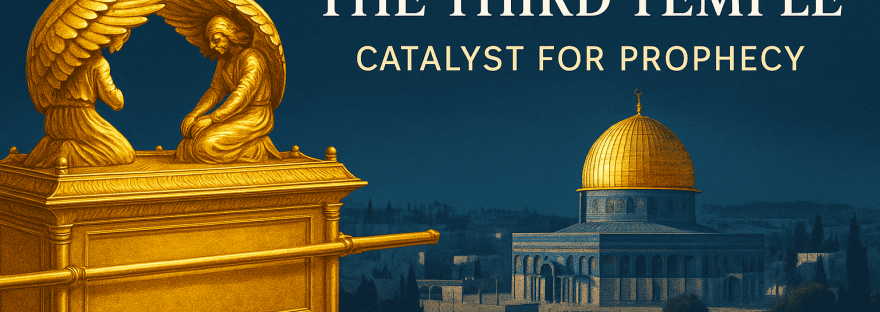
The Ark and the Third Temple: Catalyst for Prophecy

From the Series: The Ark of the Covenant as a Prophetic Game Changer

“Then he said to me, ‘This is the place where My throne and the place of the soles of My feet, where I will dwell in the midst of the children of Israel forever.’” — Ezekiel 43:7 (NKJV)

For centuries, Jewish longing for a restored Temple in Jerusalem has remained at the heart of biblical prophecy. The Temple was not merely a building; it was the center of worship, sacrifice, and God’s covenant presence. Scripture foretells a time when a temple will stand again — and in it, prophecy will unfold in dramatic and sobering ways.

But what could trigger such a monumental project in our day? For many, the rediscovery of the Ark of the Covenant would be the catalyst.


Why the Temple Matters

The Temple plays a central role in both Old and New Testament prophecy:

  • Daniel’s Seventieth Week — the “abomination of desolation” occurs in the Temple (Daniel 9:27; Matthew 24:15).
  • Paul’s Warning — the “man of sin” sits in the Temple of God, proclaiming himself as God (2 Thessalonians 2:4).
  • Ezekiel’s Vision — a future, glorified Temple in the millennial kingdom (Ezekiel 40–48).

Without a temple, these prophecies cannot be literally fulfilled. That is why any movement toward rebuilding must be watched with discernment.


The Ark as a Catalyst

The Ark of the Covenant, long hidden from history, could provide the religious and symbolic momentum for rebuilding. Consider:

  • Religious Authority — For observant Jews, the Ark represents the very presence of God. Its unveiling would validate Temple-centered worship.
  • National Identity — The Ark is bound up with Israel’s history. Its return would unify the nation around a tangible link to God’s covenant.
  • Global Attention — The world would not ignore such a discovery. The Ark could become the most significant archaeological find in history, drawing both fascination and hostility.

Like the return of the exiles in Ezra’s day, the Ark could be seen as a divine signal to “rise up and build” (Ezra 1:3).


Prophetic Implications

If the Ark were placed in a rebuilt Temple, several prophetic threads would converge:

  • The Antichrist’s deception (2 Thessalonians 2:4) — sitting in the Temple, perhaps near or even above the Ark, demanding worship.
  • The renewed sacrifices (Daniel 9:27) — reinstated in a rebuilt sanctuary, only to be halted by the Antichrist.
  • The world’s rage (Zechariah 12:3) — Jerusalem becoming a burdensome stone as nations contend with Israel’s claim of covenant authority.

Far from confirming salvation, the Ark in the Temple would test where people place their trust — in ritual and relics, or in the living Christ.


A Call to Watchfulness

The Ark’s discovery, should it happen, would not be the fulfillment of hope but the unfolding of warning. Just as Jeremiah warned Israel against trusting “the temple of the Lord” as a false refuge (Jeremiah 7:4), so today we must be cautious not to confuse the symbols of covenant with the Lord of the covenant.

The true Temple is Christ Himself (John 2:19–21), and those in Him are the living stones of His spiritual house (1 Peter 2:5).


Reflection Questions

  1. Why is the Temple central to the unfolding of prophecy?
  2. How might the Ark’s discovery ignite both devotion and deception?
  3. In what ways can we ensure our trust remains in Christ, not in outward symbols?

Closing Prayer

Lord, give us discernment as we watch the times. Keep us from chasing after signs while ignoring the Savior. Let our hearts be fixed on Christ, the true Temple, who will return to reign in glory. Amen.


Note on Prophetic Theories

The Man of Lawlessness (Antichrist) is a prophetic certainty (2 Thessalonians 2:3–4; Daniel 9:27; Matthew 24:15). The Ark of the Covenant is seen in heaven (Revelation 11:19).

However, the role of the earthly Ark in end-times prophecy is a matter of theory, not doctrine. Its rediscovery could align with prophecy (Temple rebuilding, Antichrist’s deception, global conflict), but Scripture does not require this for God’s plan to unfold.

We handle prophecy with reverence:

  • Certainties we hold tightly.
  • Theories we explore carefully.
  • Speculation we avoid.

Let Scripture remain our anchor as we watch and wait for Christ’s return.


Eschatology, The Last Days

Major Views of the Millennium

From the series: Understanding the End Times — A Biblical Framework

“And I saw thrones, and they sat on them, and judgment was committed to them… And they lived and reigned with Christ for a thousand years.” — Revelation 20:4 (NKJV)

When John describes Christ’s thousand-year reign in Revelation 20, believers often pause and ask: What exactly is the millennium? How we answer that question shapes our entire view of eschatology.

For two thousand years, Christians have wrestled with how to interpret this passage. Three main views have emerged: Premillennialism, Amillennialism, and Postmillennialism. Each carries implications not only for how we read Scripture, but also for how we live out our faith.


What Is the Millennium?

The word “millennium” comes from the Latin mille (thousand) and annus (year). Revelation 20:1–6 mentions “a thousand years” six times, describing a period when Satan is bound, the saints reign with Christ, and the first resurrection takes place.

The question isn’t whether the text speaks of a thousand years — it clearly does. The question is whether this is to be taken literally or symbolically, and how it fits into the broader storyline of Scripture.


The Three Major Views

1. Premillennialism

  • Christ returns before the millennium.
  • Revelation 19 (Christ’s return) flows naturally into Revelation 20 (the thousand-year reign).
  • Christ reigns on earth, fulfilling Old Testament promises of peace, justice, and restoration.

Strengths: Takes the text literally, aligns with Old Testament prophecies, reflects the expectation of the early church.


2. Amillennialism

  • The millennium is symbolic of Christ’s current reign from heaven.
  • The binding of Satan is seen as Christ’s victory at the cross, limiting his power over the nations.
  • There is no literal thousand-year reign; Christ returns once at the end for judgment and new creation.

Strengths: Simplicity. But it risks spiritualizing promises made to Israel and reinterpreting prophecy apart from its plain meaning.


3. Postmillennialism

  • The millennium is a golden age of gospel triumph.
  • Through preaching, missions, and cultural transformation, the world becomes increasingly Christianized.
  • Christ returns after this period of worldwide renewal.

Strengths: Optimism for the power of the gospel. Yet history — world wars, apostasy, increasing hostility — challenges this view.


The Early Church and the Shift

The early church was overwhelmingly Premillennial (often called Chiliasm). Writers like Justin Martyr (AD 100–165) and Irenaeus (AD 130–200) expected a literal reign of Christ on earth.

But over time, especially under the influence of Greek philosophy that despised material and earthly realities, allegorical interpretation grew.

Origen (AD 185–254) spiritualized many prophecies, and Augustine (AD 354–430) eventually shifted from a Premillennial to an Amillennial position. In his City of God, he argued the millennium represented the present church age.

This view gained dominance in the Roman Catholic Church and for centuries branded Chiliasm as heresy.


Testing by Fruit

Jesus said: “You will know them by their fruits.” (Matthew 7:16)

  • The Chiliast expectation of the early church produced urgency, holiness, and watchfulness.
  • The allegorical shift produced complacency, political compromise, and hostility toward Israel.
  • The Postmillennial dream produced missionary zeal, but faltered under the reality of human sin.

By their fruit, we see which view best aligns with the consistent, literal promises of God’s Word.


Why It Matters

Eschatology isn’t just about charts or arguments. It’s about whether we take God at His Word. Do we believe Christ will return to reign, just as He said? Do we trust that His promises to Israel and the nations will be fulfilled?

The millennium question forces us to confront whether our hermeneutic — our method of interpretation — is consistent.


Reflection

The three millennial views show us more than academic differences. They reveal the importance of reading Scripture faithfully. The early church expected a literal kingdom. Over time, allegory blurred those promises. Today, we are called back to simple trust: God says Christ will reign for a thousand years — and He will.


Reflection Questions

  1. Which millennial view were you most familiar with before reading this?
  2. Why do you think the early church’s expectation of a literal kingdom is significant?
  3. How does Jesus’ warning to test by fruit (Matt. 7:16) apply when evaluating different eschatological systems?

Closing Prayer

Lord, thank You that Your Word is clear and true. Guard us from twisting it to fit human philosophies or traditions. Help us to trust in Your promises, as written, and to wait eagerly for the day when Christ will reign on the earth. Keep us watchful, holy, and ready. In Jesus’ name, Amen


References & Further Reading

Scripture:

  • Revelation 20:1–6 — the millennium mentioned six times as “a thousand years.”
  • Zechariah 14:4, 9 — Messiah’s feet on the Mount of Olives; He reigns as King over all the earth.
  • Isaiah 2:2–4 — nations streaming to the Lord’s mountain; peace among nations.
  • Isaiah 11:6–9 — harmony in creation under Messiah’s reign.
  • Acts 1:6–7 — disciples’ question about the restoration of Israel’s kingdom.
  • Romans 11:25–29 — God’s covenant faithfulness to Israel is irrevocable.

Early Church Witnesses (Chiliasm):

  • Papias (AD 60–130) — fragments preserved in Eusebius, Ecclesiastical History 3.39, affirming a literal kingdom.
  • Justin Martyr (AD 100–165), Dialogue with Trypho, ch. 80 — clear defense of premillennial hope.
  • Irenaeus (AD 130–200), Against Heresies 5.32–36 — detailed teaching of a literal future reign of Christ.
  • Tertullian (AD 155–220), Against Marcion 3.24 — anticipated an earthly kingdom.

The Shift Away from Chiliasm:

  • Origen (AD 185–254) — allegorical interpretation in On First Principles.
  • Augustine (AD 354–430), City of God 20.7 — shifted to Amillennialism, spiritualizing the millennium as the present church age.

Archaeological & Textual Evidence:

  • Dead Sea Scrolls (c. 150 BC–70 AD) — confirm Jewish expectation of Messiah’s reign and restored kingdom.
  • Synagogue mosaics (e.g., Beth Alpha, 6th century) — show eschatological hope in Jewish communities.

Extra-Biblical Sources:

  • Josephus, Antiquities of the Jews 18.1 — records Jewish messianic expectations in the first century.
  • Eusebius, Ecclesiastical History — documents both the early church’s premillennial faith and later rejection by allegorists.
  • Hippolytus (AD 170–235), Commentary on Daniel — early Christian witness to premillennial interpretation.

Leave a comment

Ark of the Covenant, The Last Days

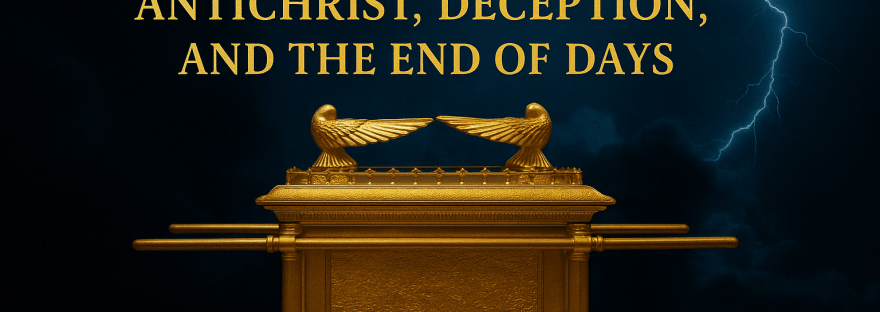
The Ark of the Covenant — Antichrist, Deception, and the End of Days

From the Series: The Ark of the Covenant as a Prophetic Game Changer

“And the temple of God was opened in heaven, and the ark of His covenant was seen in His temple. And there were lightnings, noises, thunderings, an earthquake, and great hail.” — Revelation 11:19 (NKJV)

For centuries, the Ark of the Covenant has stirred both fascination and mystery. Hidden since the days of Jeremiah, it is remembered in Scripture as the earthly throne of God’s presence (Exodus 25:22). To Israel, it symbolized covenant, holiness, and power. To the nations, it represented a dangerous and untouchable force.

But what if this Ark were to be rediscovered in our generation? Could its unveiling play a role in the rise of Antichrist and the final deception of the last days?

This question forms the heart of our new series: The Ark of the Covenant as a Prophetic Game Changer.


Why the Ark Matters in Prophecy

The Ark is more than an artifact. It connects directly to prophecy:

  • God’s covenant faithfulness — The Ark contained the tablets of the Law, Aaron’s rod, and manna (Hebrews 9:4). Each reminds us that God does not forget His promises.
  • The Temple question — Daniel, Jesus, and Paul all speak of a future desecration in a restored temple (Daniel 9:27; Matthew 24:15; 2 Thessalonians 2:4). The Ark’s discovery could ignite calls to rebuild.
  • Revelation’s imagery — John sees the Ark in heaven, linked with God’s final judgments (Revelation 11:19).

The Antichrist and Deception

Scripture warns that the Antichrist will rise “with all power, signs, and lying wonders” (2 Thessalonians 2:9). If the Ark were uncovered, it could become a rallying point for global attention:

  • Used by Israel as proof of divine favor.
  • Exploited by Antichrist as a tool to demand worship.
  • Twisted into a counterfeit sign of God’s presence.

Satan has always sought to imitate what is holy (2 Corinthians 11:14). The Ark could serve as a powerful stage for the final deception.


How This Fits in the End Times

Our series explores multiple theories about how the Ark might intersect with prophecy:

  1. Catalyst for the Third Temple — sparking religious and political momentum in Jerusalem.
  2. Symbol of false security — Israel trusting in the Ark instead of the God of the Ark, as in Jeremiah’s day (Jeremiah 7:4).
  3. Global spectacle — nations enraged, yet drawn into the drama of Israel’s covenantal claims.
  4. Foreshadow of Revelation 11:19 — the Ark seen in heaven before God’s final judgments.

Why We Must Be Watchful

Jesus told us to “watch” (Matthew 24:42). Not to speculate endlessly, but to discern the times with sober clarity. If the Ark were to reappear, it would not be a cause for superstition or misplaced hope — but for renewed confidence in God’s Word, which cannot fail.

The Ark points us not to Antichrist, but to Christ. It reminds us that God dwells with His people, that His covenant is sure, and that His Son will return to reign.


Closing Thought

The Ark of the Covenant is not a relic of the past. It is a symbol of God’s unchanging promises — promises that will culminate in Christ’s glorious return. Whether hidden in the earth or revealed in heaven, its true meaning is fulfilled in Jesus, the greater Ark, who is Himself the presence of God among us (John 1:14).

Let us watch, wait, and walk faithfully until that day.


Note on Prophetic Theories

The Man of Lawlessness (Antichrist) is a prophetic certainty (2 Thessalonians 2:3–4; Daniel 9:27; Matthew 24:15). The Ark of the Covenant is seen in heaven (Revelation 11:19).

However, the role of the earthly Ark in end-times prophecy is a matter of theory, not doctrine. Its rediscovery could align with prophecy (Temple rebuilding, Antichrist’s deception, global conflict), but Scripture does not require this for God’s plan to unfold.

We handle prophecy with reverence:

  • Certainties we hold tightly.
  • Theories we explore carefully.
  • Speculation we avoid.

Let Scripture remain our anchor as we watch and wait for Christ’s return.

Eschatology, From the Archives, The Last Days

Why Eschatology Matters

From the series: Understanding the End Times — A Biblical Framework

“All Scripture is given by inspiration of God, and is profitable for doctrine, for reproof, for correction, for instruction in righteousness.” — 2 Timothy 3:16 (NKJV)

When you hear the word eschatology, it may sound intimidating, even academic. But in simple terms, eschatology means “the study of last things.” It’s about what God has revealed in His Word concerning the future — the return of Christ, the resurrection of the dead, the final judgment, and the new heavens and earth.

The question is: does this matter for our daily lives? According to Scripture, it matters more than we often realize. Eschatology shapes the way we live in the present, strengthens our faith, and calls us to walk as watchful disciples.


What Is Eschatology?

The word comes from two Greek terms:

  • eschatos = “last” or “final”
  • logos = “word, discourse, or study”

So eschatology simply means the study of the last things. Scripture uses this framework to reveal God’s purposes: the kingdom of Christ, the judgment of the nations, the resurrection of the dead, and the restoration of all creation.

Along the way, you’ll encounter key words like:

  • Millennium (Revelation 20:1–6) — Christ’s 1,000-year reign.
  • Tribulation (Matthew 24:21) — a unique time of distress and judgment.
  • Rapture (1 Thessalonians 4:16–17) — the church caught up to meet Christ.
  • Apostasy (2 Thessalonians 2:3) — the great falling away before the man of sin is revealed.

Don’t let these terms overwhelm you. They are simply markers that help us explore what God has already revealed.


Why Study Prophecy?

Some Christians avoid prophecy, thinking it’s too divisive or complicated. But God says otherwise:

  • Hope“Looking for the blessed hope and glorious appearing of our great God and Savior Jesus Christ.” (Titus 2:13)
  • Holiness“Everyone who has this hope in Him purifies himself, just as He is pure.” (1 John 3:3)
  • Mission“This gospel of the kingdom will be preached in all the world as a witness to all the nations, and then the end will come.” (Matthew 24:14)
  • Comfort“Therefore comfort one another with these words.” (1 Thessalonians 4:18)

Far from being speculative, prophecy is intensely practical. It strengthens our endurance, calls us to holy living, fuels our urgency for the gospel, and comforts us with the promise of Christ’s return.


Can We Trust the Bible’s Prophecy?

Skeptics often ask: “How do you know these ancient texts haven’t been corrupted?” The evidence is overwhelming:

  • The Dead Sea Scrolls (dated ~150 BC) show Isaiah’s words copied with astonishing accuracy for over 1,000 years.
  • The New Testament is preserved in more than 5,800 Greek manuscripts — more than any other ancient document.
  • Archaeology repeatedly confirms Scripture:
    • The Cyrus Cylinder validates Isaiah’s prophecy of Cyrus by name (Isaiah 44:28).
    • The Tel Dan Stele confirms the dynasty of King David.
    • The Pilate Inscription affirms Pontius Pilate as prefect in Judea.

Even more compelling is fulfilled prophecy itself:

  • Messiah’s birth in Bethlehem (Micah 5:2; Matthew 2:1).
  • His entry into Jerusalem on a donkey (Zechariah 9:9; Matthew 21:4–5).
  • His piercing and suffering (Isaiah 53; Psalm 22).

If God has been this precise in what’s already fulfilled, we can trust Him for what is yet to come.


Apostasy — The Last Days Backdrop

Before the glory of Christ’s return, Scripture warns of a great departure from truth:

  • “Let no one deceive you by any means; for that Day will not come unless the falling away comes first, and the man of sin is revealed.” (2 Thessalonians 2:3)
  • “Now the Spirit expressly says that in latter times some will depart from the faith, giving heed to deceiving spirits and doctrines of demons.” (1 Timothy 4:1)
  • “Because lawlessness will abound, the love of many will grow cold.” (Matthew 24:12)

This isn’t mere personal struggle. Apostasy is a deliberate turning away from God’s truth — and it is the hallmark of the last days.


Watchfulness, Not Date-Setting

There is a danger on both sides:

  • Neglect — ignoring prophecy altogether.
  • Speculation — trying to set dates, which Jesus forbids (Matthew 24:36).

Instead, Christ commands: “Watch therefore, for you do not know what hour your Lord is coming.” (Matthew 24:42)

The call is to watchfulness, not panic. We may not know the exact day or hour, but we are called to recognize the season (1 Thessalonians 5:4–6).


Reflection

Eschatology is not meant to confuse us but to anchor us. God has given prophecy not to entertain our curiosity but to equip our faith. To ignore it is to ignore part of His Word. To abuse it is to twist His truth. But to embrace it rightly is to live with hope, holiness, mission, and comfort.


Reflection Questions

  1. When you think of prophecy, do you feel overwhelmed, skeptical, or encouraged? Why?
  2. Which of the four purposes of prophecy (hope, holiness, mission, comfort) do you most need to strengthen in your life right now?
  3. How can you practice watchfulness without slipping into fear or speculation?

Closing Prayer

Father, thank You that You have revealed the end from the beginning. Thank You for the hope of Christ’s return, the call to holiness, the urgency of mission, and the comfort of Your promises. Guard us from deception in these last days. Teach us to live as watchful disciples, ready for the return of our Lord. In Jesus’ name, Amen.


References & Further Reading

Scripture:

  • Titus 2:13 — the “blessed hope.”
  • Matthew 24:42 — command to watch.
  • 2 Timothy 4:8 — crown for those who love His appearing.
  • Revelation 1:3 — blessing for reading prophecy.

Early Church Witnesses:

  • Papias (AD 60–130), fragment recorded by Eusebius, affirming a literal 1,000-year reign.
  • Justin Martyr (Dialogue with Trypho, ch. 80) — affirms premillennial hope.

Archaeological & Textual:

  • Dead Sea Scrolls (1947–) — confirming OT prophetic manuscripts preserved with high accuracy.
  • Codex Sinaiticus (c. AD 350) — one of the oldest complete NT manuscripts.

Extra-Biblical Sources:

  • Josephus, Wars of the Jews (Book 6) — description of Jerusalem’s fall in AD 70.
  • Tacitus, Annals (Book 15) — Roman historian noting early Christians and persecution.

Leave a comment

Apostacy, The Last Days

Preparing the Bride — A Church Without Spot or Wrinkle


(The Great Falling Away, Part 10 — Conclusion)

“That He might present to Himself the church in all her glory, having no spot or wrinkle or any such thing; but that she would be holy and blameless.”
— Ephesians 5:27, NASB1995


The End Goal Is Not Reform—It’s Readiness

Throughout this series, we’ve traced how the Church drifted:

  • From Spirit-led simplicity to man-made systems
  • From shared priesthood to clerical control
  • From purity to power
  • From Christ alone to Christ plus

But Christ isn’t coming for a well-branded ministry or a culturally relevant congregation.
He’s coming for a bride—holy, radiant, and ready.


What Does It Mean to Be Without Spot or Wrinkle?

1. Spotless — Cleansed by Christ

  • Washed in His blood (Revelation 7:14)
  • Covered in righteousness—not works
  • Living in repentance, not rebellion

2. Without Wrinkle — Uncreased by the World

  • Not conformed to worldly patterns (Romans 12:2)
  • Not tied to traditions that nullify truth
  • Not blemished by compromise or double-mindedness

3. Holy — Set Apart

  • Separate from the world’s values and goals
  • Different in speech, purity, and love
  • Walking in obedience, not excuses

4. Blameless — Above Reproach

  • Living by the Spirit, not in the flesh
  • Bearing good fruit, not worldly acclaim
  • Living faithfully until He returns

The Bride Prepares Herself

“It was given to her to clothe herself in fine linen, bright and clean…”
— Revelation 19:8

This is not passive waiting. This is active preparation through:

  • Daily repentance
  • Immersing in Scripture
  • Relinquishing idols
  • Remaining in prayer and holiness
  • Listening to the Spirit, not the crowd

Look Around… Look Within

The modern Church is comfortable, visible, and polished.
But is she pure?

Christ is not returning for crowds or campaigns.
He’s returning for those who belong to Him—who hear His voice and follow.


Application for Today

  • Am I preparing for the return of the Bridegroom?
  • Am I clothed in the righteousness of Christ—or the accolades of men?
  • Have I come out of Babylon, or am I still entangled?
  • Will I be found ready—or just religious?

Revelation 22:17

“The Spirit and the bride say, ‘Come.’”

This is not just a cry for Him to come.
It’s the call of the bride to the world.
A beckoning from a pure Church that says:
“Come out. Come home. Come to Christ.”


Series Conclusion: The Call Remains

The Great Falling Away is real.
But so is the Great Returning—for those who will hear it.

“Come out of her, My people…”
“…so that He might present to Himself the church… holy and blameless.”

Leave a comment

Apostacy, The Last Days

The Modern Echo — Has the Reformation Been Reversed?


(The Great Falling Away, Part 9)

“For they exchanged the truth of God for a lie, and worshiped and served the creature rather than the Creator…”
— Romans 1:25, NASB1995


What Was Recovered… Is Being Replaced

The Reformation gave God’s people back what had been stolen:

  • The Word of God in their language
  • The freedom to approach God directly
  • The assurance of salvation by grace through faith

But in recent decades, that truth has begun to fade—not by force, but by neglect, compromise, and distraction.


How Is the Modern Church Reversing the Reformation?

1. Scripture is No Longer Central (Sola Scriptura Reversed)

  • Sermons are motivational, not expository
  • Human wisdom is blended with theology
  • The Bible is treated as optional—or reinterpreted to fit culture

2. Faith Becomes Performance (Sola Fide Reversed)

  • Salvation is portrayed as try harder rather than trust Christ
  • Obedience is confused with earning
  • People question if they’re ever “doing enough”

3. Church Becomes Institution Again

  • Mega structures and leadership hierarchies resemble Rome
  • Spiritual authority is centralized
  • Programs replace prayer and presence

4. Christ is Replaced by Systems (Solus Christus Reversed)

  • Counseling replaces discipleship
  • Strategy replaces the Spirit
  • Pastors and theologians become mediators of truth

5. God’s Glory is Shared with Man (Soli Deo Gloria Reversed)

  • Ministries are built around personalities
  • Celebrity culture thrives in pulpits
  • The applause of man is mistaken for the blessing of God

From Remnant to Routine

“Having a form of godliness, but denying its power…”
— 2 Timothy 3:5

We may use biblical language… but lack biblical substance.
We may sing of surrender… but live in self.
We may look alive… but be lukewarm.


The Call Remains: Come Out. Return. Remain.

“Hold fast what you have, so that no one will take your crown.”
— Revelation 3:11

The Reformation must not be remembered—it must be revived.


Application for Today

  • Is my life shaped by Scripture—or opinion?
  • Do I live in faith—or performance?
  • Am I following a system—or Christ?
  • Do I want God’s glory—or man’s approval?

Revelation 18:4

“Come out of her, My people…”

Leave a comment