Ark of the Covenant, The Last Days

Wars on the Horizon: The Nations Rage Against Israel

From the Series: The Ark of the Covenant as a Prophetic Game Changer

“Behold, I will make Jerusalem a cup of drunkenness to all the surrounding peoples… And it shall happen in that day that I will make Jerusalem a very heavy stone for all peoples; all who would heave it away will surely be cut in pieces, though all nations of the earth are gathered against it.” — Zechariah 12:2–3 (NKJV)

The discovery of the Ark of the Covenant would not remain an isolated event. It would shake the political and spiritual foundations of the world, igniting conflicts foretold in Scripture. Nations would be forced to reckon with Israel’s covenant claims — and many would rage against them.


Prophecies of Conflict

The Bible describes escalating wars in the last days:

  • Psalm 83 — a confederacy of surrounding nations plots against Israel.
  • Ezekiel 38–39 — Gog and his allies launch a massive assault, only to be destroyed by God.
  • Zechariah 12:3 — all nations burden themselves with Jerusalem.
  • Revelation 16:14–16 — the kings of the earth gather at Armageddon.

Each passage points to Israel at the center of global upheaval.


The Ark as a Flashpoint

If the Ark were uncovered, especially near the Temple Mount, it would:

  • Unite Jewish fervor for rebuilding the Temple.
  • Enrage Muslim nations, who view the site as sacred to Islam.
  • Provoke global powers, who would fear instability in the region.

The Ark would not simply be a religious artifact — it would become the most politically charged object on earth.


Wars Before and During the Tribulation

The Ark could serve as the spark for wars that pave the way for Antichrist’s rise:

  • Early regional conflicts (Psalm 83) may embolden Israel.
  • A larger coalition (Ezekiel 38–39) could bring God’s dramatic intervention, showing His hand in Israel’s survival.
  • These wars destabilize the world, preparing the stage for a false peacemaker who seems to have the solution.

God’s Sovereign Hand

Even in chaos, God’s hand guides history. He promises to defend Jerusalem (Zechariah 12:8–9). These conflicts remind us that prophecy is not speculation but certainty — the nations rage, but the Lord reigns.


Reflection Questions

  1. How do current global tensions echo the prophecies of Psalm 83 and Ezekiel 38–39?
  2. Why might the Ark’s discovery intensify hostility against Israel?
  3. How does God’s sovereignty over these wars give us confidence today?

Closing Prayer

Lord, You are King over the nations. Though the world rages against Your people and Your city, Your purposes cannot fail. Teach us to trust in Your sovereignty, to watch for Your coming, and to stand firm in the hope of Christ’s return. Amen.


Note on Prophetic Theories

The Man of Lawlessness (Antichrist) is a prophetic certainty (2 Thessalonians 2:3–4; Daniel 9:27; Matthew 24:15). The Ark of the Covenant is seen in heaven (Revelation 11:19).

However, the role of the earthly Ark in end-times prophecy is a matter of theory, not doctrine. Its rediscovery could align with prophecy (Temple rebuilding, Antichrist’s deception, global conflict), but Scripture does not require this for God’s plan to unfold.

We handle prophecy with reverence:

  • Certainties we hold tightly.
  • Theories we explore carefully.
  • Speculation we avoid.

Let Scripture remain our anchor as we watch and wait for Christ’s return.


Eschatology, The Last Days

Living in Light of Christ’s Return

From the series: Understanding the End Times — A Biblical Framework

“And everyone who has this hope in Him purifies himself, just as He is pure.” — 1 John 3:3 (NKJV)

Eschatology isn’t just about future events. It’s about how those events shape the way we live today. The study of prophecy was never meant to stay on a chart or in a classroom. It was given to transform our daily walk with Christ.

If we believe Christ could return at any moment, how should that affect our lives right now?


Watchfulness

Jesus warned repeatedly:

“Watch therefore, for you do not know what hour your Lord is coming.” — Matthew 24:42

Watchfulness isn’t passive waiting. It’s active readiness — living each day as though Christ might come today. It changes how we prioritize time, relationships, and holiness.


Holiness

The hope of Christ’s return purifies us:

“Therefore, beloved, looking forward to these things, be diligent to be found by Him in peace, without spot and blameless.” — 2 Peter 3:14

If Christ could return today, would you want Him to find you clinging to sin? The promise of His coming is not just comfort — it is a call to holiness.


Urgency in Mission

Paul writes:

“Knowing the time, that now it is high time to awake out of sleep; for now our salvation is nearer than when we first believed.” — Romans 13:11

Prophecy sharpens our focus on the Great Commission. If the window is closing, then the time to share the gospel is now.


Comfort in Trials

The rapture isn’t just doctrine — it’s comfort.

“Therefore comfort one another with these words.” — 1 Thessalonians 4:18

Suffering and persecution may intensify, but the knowledge that Christ will soon gather His people brings strength to endure.


Perspective on Material Things

The world tells us to build bigger barns. But prophecy reminds us everything here is temporary:

“The day of the Lord will come as a thief in the night, in which the heavens will pass away with a great noise, and the elements will melt with fervent heat.” — 2 Peter 3:10

When we know this world is passing away, we live with looser hands — generous, focused on eternal treasures.


Reflection

Living in light of Christ’s return is about more than waiting. It’s about watching, walking in holiness, proclaiming the gospel, and finding comfort in trials. Prophecy was given not to make us fearful, but faithful.


Reflection Questions

  1. How does the truth of Christ’s imminent return affect the way you live daily?
  2. Which area do you feel most challenged to grow in: watchfulness, holiness, mission, or comfort?
  3. How can you encourage others with the hope of His coming this week?

Closing Prayer

Lord, thank You for the hope of Christ’s return. Teach us to live each day as though it were the day of His appearing. Make us watchful, holy, urgent in mission, and comforted in trials. Fix our eyes on eternal things, and help us to be faithful until the trumpet sounds. In Jesus’ name, Amen.


References & Further Reading

Scripture:

  • Titus 2:11–13 — “looking for the blessed hope and glorious appearing.”
  • 1 John 3:2–3 — hope of seeing Christ leads to purity.
  • 1 Thessalonians 5:4–6 — believers called to be watchful and sober.
  • Matthew 24:42–44 — command to watch, for the Son of Man comes at an hour not expected.
  • Luke 12:35–37 — blessed are those servants found watching when the Master returns.
  • Philippians 3:20–21 — our citizenship is in heaven; we eagerly await Christ.
  • Hebrews 10:24–25 — encouraging one another “as you see the Day approaching.”
  • Revelation 22:12, 20 — Christ promises, “I am coming quickly.”

Early Church Witnesses:

  • Didache (late 1st–early 2nd century), ch. 16 — urged readiness in light of Christ’s imminent return.
  • Polycarp (AD 69–155), Letter to the Philippians 7 — exhorted believers to stand firm in faith until Christ’s return.
  • Clement of Rome (c. AD 96), 1 Clement 23 — emphasized Christ’s imminent coming as motivation for holy living.

Archaeological & Textual Evidence:

  • Early Christian epitaphs — often included “expecting the resurrection” or “awaiting the Lord,” reflecting hope-driven living.
  • Catacomb art (2nd–4th centuries) — depictions of the Good Shepherd and Second Coming imagery used for encouragement.
  • Codex Sinaiticus & Alexandrinus — faithfully transmit exhortative NT texts regarding watchfulness.

Extra-Biblical / Scholarly Notes:

  • Josephus, Wars of the Jews — though Jewish, illustrates how hope in deliverance motivated endurance under trial.
  • Eusebius, Ecclesiastical History — documents martyrs’ confidence in eternal hope.
  • Richard Mayhue, Living in Hope of Future Glory (1997) — theological study on practical eschatology.
  • John Piper, Future Grace (1995) — emphasis on living daily in hope of what God has promised.

Leave a comment

Ark of the Covenant, The Last Days

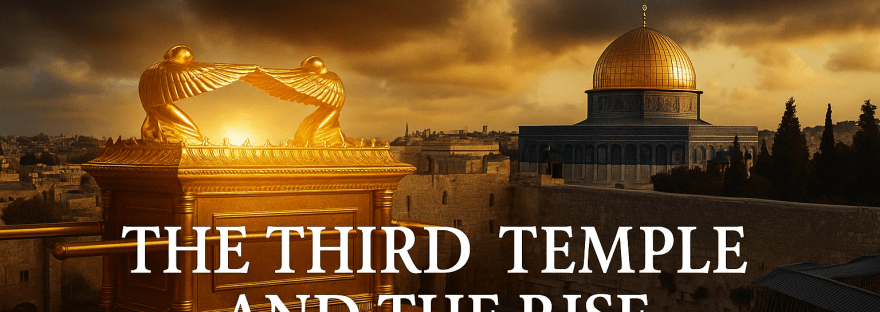
The Third Temple and the Rise of Antichrist

From the Series: The Ark of the Covenant as a Prophetic Game Changer

“Then he shall confirm a covenant with many for one week; but in the middle of the week he shall bring an end to sacrifice and offering. And on the wing of abominations shall be one who makes desolate.” — Daniel 9:27 (NKJV)

The Temple in Jerusalem has always been at the heart of God’s dealings with Israel. Twice destroyed in history, prophecy makes clear that a third temple will rise — and it will play a central role in the end times. If the Ark of the Covenant were rediscovered, it could provide the momentum for this long-awaited construction.

But this Temple will also become the stage for the greatest deception in human history — the rise of the Antichrist.


The Temple in Prophecy

The Scriptures speak plainly of a future temple:

  • Daniel 9:27 — Sacrifices and offerings restored, then halted.
  • Matthew 24:15 — Jesus warned of the “abomination of desolation” standing in the holy place.
  • 2 Thessalonians 2:4 — The man of sin sits in the temple of God, proclaiming himself to be God.
  • Revelation 11:1–2 — John is told to measure the temple of God, a vision yet to be fulfilled.

This means a physical temple must exist in the last days.


The Ark as Catalyst

For religious Jews, the Ark is the most sacred link to God’s covenant. If uncovered and authenticated, its presence would:

  • Validate the call to rebuild.
  • Provide spiritual legitimacy for renewed sacrifices.
  • Unite Jewish zeal with national identity.

No discovery could accelerate Temple reconstruction more.


The Rise of Antichrist

The Temple becomes the platform for a deceptive world leader:

  • At first: He confirms a covenant of peace (Daniel 9:27). Israel feels secure.
  • At midpoint: He enters the temple and declares himself to be God (2 Thessalonians 2:4).
  • Through deception: He exploits sacred symbols to demand global worship (Revelation 13:4).

What began as a place of renewed hope becomes the focal point of blasphemy.


God’s Warning

Jeremiah warned Israel not to trust in “the temple of the Lord” as a false refuge (Jeremiah 7:4). The same warning applies to the end times. Trusting in relics or rituals without repentance will lead many into deception.

Only those who know Christ, the true Temple (John 2:19–21), will see clearly through the lies.


Reflection Questions

  1. Why must a future Temple exist for prophecy to be fulfilled?
  2. How could the Ark accelerate this movement?
  3. What safeguards believers from being deceived by outward signs?

Closing Prayer

Lord, prepare us to discern truth in the midst of deception. Let our faith rest not in temples or symbols but in Christ, the true dwelling of God among us. Keep us steadfast until the day He returns. Amen.


Note on Prophetic Theories

The Man of Lawlessness (Antichrist) is a prophetic certainty (2 Thessalonians 2:3–4; Daniel 9:27; Matthew 24:15). The Ark of the Covenant is seen in heaven (Revelation 11:19).

However, the role of the earthly Ark in end-times prophecy is a matter of theory, not doctrine. Its rediscovery could align with prophecy (Temple rebuilding, Antichrist’s deception, global conflict), but Scripture does not require this for God’s plan to unfold.

We handle prophecy with reverence:

  • Certainties we hold tightly.
  • Theories we explore carefully.
  • Speculation we avoid.

Let Scripture remain our anchor as we watch and wait for Christ’s return.

Eschatology, The Last Days

Why Pre-Mill, Pre-Trib Fits Best

From the series: Understanding the End Times — A Biblical Framework

“For the gifts and the calling of God are irrevocable.” — Romans 11:29 (NKJV)

Through this series, we’ve seen the building blocks of eschatology: why it matters, what the millennium is, how to read prophecy, the reality of apostasy, and the promises of Christ’s coming reign. We’ve also studied the rapture and God’s pattern of deliverance.

Now it’s time to bring it all together. Why does the Pre-Millennial, Pre-Tribulational view fit best with the full counsel of God’s Word?


A Consistent Hermeneutic

The Pre-Mill, Pre-Trib view uses a literal, grammatical-historical method from start to finish.

  • Israel means Israel — not the church.
  • A thousand years means a thousand years — not a vague period.
  • Christ’s return means Christ’s return — not symbolic language.

Other views often switch between literal and allegorical whenever convenient. But God’s Word is not double-minded. The same consistency that proves Christ’s first coming literal proves His second will be as well.


Harmony of Old and New Testaments

The prophets promised a future kingdom of peace, justice, and restoration:

  • “The Lord shall be King over all the earth.” (Zechariah 14:9)
  • “Nation shall not lift up sword against nation, neither shall they learn war anymore.” (Isaiah 2:4)

The New Testament never cancels these promises. In Acts 1:6, the disciples asked Jesus about restoring the kingdom to Israel. He did not deny the expectation, only the timing. Romans 11 assures us His covenant with Israel stands.

Pre-Mill, Pre-Trib preserves this harmony without forcing contradictions.


God’s Pattern of Deliverance

Throughout Scripture, God delivers His people before pouring out judgment:

  • Noah before the flood.
  • Lot before fire.
  • Israel before the plague of the firstborn.

This same pattern assures us that Christ will deliver His church before the outpouring of wrath in the Tribulation (1 Thessalonians 5:9).


The Doctrine of Imminence

The New Testament calls us to watch for Christ, not Antichrist. Titus 2:13 calls His return our “blessed hope.”

Only the Pre-Trib view preserves imminence. Mid- and Post-Trib views force us to wait for signs and judgments first. But the Bible tells us Christ could come at any moment.


Apostasy and Antichrist

2 Thessalonians 2:3 says the falling away comes first, then the man of sin is revealed. Apostasy is already here, preparing the way. After the rapture removes the true church, the stage will be set for Antichrist to rise.

This flow makes sense only in the Pre-Mill, Pre-Trib framework:

  • Apostasy spreads.
  • The rapture removes the church.
  • Antichrist rises during the Tribulation.
  • Christ returns in glory.
  • The millennium begins.

Fruit Through History

Jesus said, “You will know them by their fruits.” (Matthew 7:16)

  • Early church Premillennialism (Chiliasm) produced holiness, urgency, and perseverance.
  • Greek-influenced Amillennialism produced complacency and hostility to Israel.
  • Postmillennialism produced missionary zeal, but collapsed after the world wars.

Pre-Mill, Pre-Trib continues to produce fruit: watchfulness, holiness, urgency for mission, and comfort in Christ’s promises.


Reflection

The Pre-Mill, Pre-Trib view is not about charts or systems. It’s about trusting God’s Word. It alone preserves consistency, covenant faithfulness, God’s deliverance pattern, the doctrine of imminence, and the prophetic flow from apostasy to Antichrist to Christ’s reign.

In short: it takes God at His Word — all of it.


Reflection Questions

  1. How does a consistent literal hermeneutic protect against error in prophecy?
  2. Why is God’s covenant faithfulness to Israel essential for our confidence in His promises?
  3. What fruit have you seen produced by the hope of Christ’s imminent return?

Closing Prayer

Lord, thank You that Your Word is consistent, trustworthy, and true. Guard us from allegorizing away Your promises. Help us to see Your covenant faithfulness, to trust in Your deliverance, and to live in readiness for Christ’s imminent return. May our lives bear the fruit of hope, holiness, and urgency as we await His coming. In Jesus’ name, Amen.


References & Further Reading

Scripture:

  • Revelation 19:11–20:6 — sequence of Christ’s visible return, binding of Satan, and thousand-year reign.
  • 1 Thessalonians 4:16–17 — rapture of the church.
  • 1 Thessalonians 5:9 — not appointed to wrath.
  • John 14:2–3 — Christ taking believers to the Father’s house.
  • Daniel 9:24–27 — the 70 weeks prophecy, with the last week for Israel.
  • Jeremiah 30:7 — the time of Jacob’s trouble, not the Church’s.
  • Romans 11:25–29 — Israel’s future restoration.
  • Zechariah 14:4, 9 — Messiah’s return and reign from Jerusalem.
  • Isaiah 65:20–25 — conditions of peace, longevity, and restoration during the kingdom.

Early Church Witnesses:

  • Papias — affirmed literal kingdom expectations (Eusebius, Ecclesiastical History 3.39).
  • Justin Martyr (Dialogue with Trypho ch. 80) — premillennial hope, though he allowed for differing views within the church.
  • Irenaeus (Against Heresies 5.32–36) — expected a literal reign of Christ following tribulation.
  • Ephraim the Syrian (On the Last Times) — rapture-like language suggesting removal before tribulation.

Theological Synthesis:

  • Pre-Millennialism ensures literal fulfillment of OT covenants (Abrahamic, Davidic, New).
  • Pre-Tribulation preserves God’s distinct plans for Israel (earthly kingdom) and the Church (heavenly calling).
  • The view best aligns with the consistent grammatical-historical hermeneutic.

Archaeological & Textual Evidence:

  • Dead Sea Scrolls — show messianic hope in both tribulation and kingdom.
  • Pilate Inscription and Caiaphas Ossuary — affirm NT historical figures, bolstering confidence in prophetic reliability.
  • Codex Alexandrinus (5th century) — preserves Revelation intact, reinforcing its textual authority.

Extra-Biblical / Scholarly Notes:

  • Josephus, Antiquities 10.11 — references Daniel’s prophecies, showing Jewish awareness.
  • Hippolytus, Commentary on Daniel — interprets Antichrist literally, supporting premillennial sequence.
  • George Eldon Ladd, The Blessed Hope (1956) — contrasts Historic Premill with Pre-Trib nuances.
  • John Walvoord, The Millennial Kingdom (1959) — comprehensive defense of Pre-Millennialism.
  • John MacArthur, The Second Coming (1999) — expositional treatment of prophecy with strict literalism.

Leave a comment

Ark of the Covenant, The Last Days

The Discovery of the Ark: A Spark for Prophecy

From the Series: The Ark of the Covenant as a Prophetic Game Changer

“And there I will meet with you, and I will speak with you from above the mercy seat, from between the two cherubim which are on the ark of the Testimony, about everything which I will give you in commandment to the children of Israel.” — Exodus 25:22 (NKJV)

For centuries, the Ark of the Covenant has been hidden from human eyes. Once the very throne of God’s presence among His people, it disappeared sometime before the Babylonian destruction of Jerusalem. Since then, its location has been the subject of speculation, legend, and longing.

But what if the Ark were discovered in our day? For some, it would be the greatest archaeological find in history. For others, it would be a theological shockwave. From a biblical perspective, the discovery of the Ark could serve as a spark that ignites the prophetic sequence foretold in Scripture.


Why the Ark Matters

The Ark was no ordinary artifact. It contained the tablets of the Law, Aaron’s rod that budded, and a golden pot of manna (Hebrews 9:4). More importantly, it was the place where God promised to meet with His people (Exodus 25:22).

Its rediscovery would:

  • Validate Israel’s covenant identity before the watching world.
  • Galvanize Temple aspirations among religious Jews.
  • Draw global attention as nations react with awe, hostility, or rivalry.

A Potential Prophetic Trigger

The Bible’s end-times prophecies hinge on the existence of a Temple in Jerusalem:

  • Daniel 9:27 describes sacrifices being restored, then stopped.
  • Jesus warned of the abomination of desolation standing in the holy place (Matthew 24:15).
  • Paul said the man of sin will sit in the Temple of God, declaring himself to be God (2 Thessalonians 2:4).

For these prophecies to be fulfilled, the Temple must exist again. And nothing could provide momentum for rebuilding more than the rediscovery of the Ark of the Covenant.


Global Reverberations

The unveiling of the Ark would not happen in a vacuum. Its effects would ripple across the globe:

  • Israel’s national pride and unity would surge.
  • Muslim nations, who claim the Temple Mount as sacred, would be enraged.
  • The broader world would be forced to reckon with Israel’s God-centered history.

The Ark could become the “heavy stone” of Zechariah 12:3 — the object over which all nations stumble.


A Divine Signal

Just as God stirred the heart of Cyrus to send Israel back to rebuild the Temple in Ezra’s day, so too the Ark could be seen as a divine signal in the last days. To Israel, it might appear as God’s call to “rise up and build.” To the world, it will be a cause for division, deception, and hostility.

But for believers in Christ, it would be yet another confirmation that God’s Word is true and His prophetic plan is unfolding.


Reflection Questions

  1. Why is the Ark of the Covenant central to Israel’s covenant identity?
  2. How could its discovery ignite the rebuilding of the Temple?
  3. What does this possibility teach us about watching and discerning the times?

Closing Prayer

Lord, You are faithful to every covenant promise. Teach us to keep our eyes on Christ, not on signs or relics. Give us discernment to understand the times and boldness to share the gospel while it is day. Amen.


Note on Prophetic Theories

The Man of Lawlessness (Antichrist) is a prophetic certainty (2 Thessalonians 2:3–4; Daniel 9:27; Matthew 24:15). The Ark of the Covenant is seen in heaven (Revelation 11:19).

However, the role of the earthly Ark in end-times prophecy is a matter of theory, not doctrine. Its rediscovery could align with prophecy (Temple rebuilding, Antichrist’s deception, global conflict), but Scripture does not require this for God’s plan to unfold.

We handle prophecy with reverence:

  • Certainties we hold tightly.
  • Theories we explore carefully.
  • Speculation we avoid.

Let Scripture remain our anchor as we watch and wait for Christ’s return.


Eschatology, The Last Days

Building the Case for Pre-Tribulation

From the series: Understanding the End Times — A Biblical Framework

“For the Lord Himself will descend from heaven with a shout, with the voice of an archangel, and with the trumpet of God. And the dead in Christ will rise first. Then we who are alive and remain shall be caught up together with them in the clouds to meet the Lord in the air. And thus we shall always be with the Lord.” — 1 Thessalonians 4:16–17 (NKJV)

Few questions stir as much debate among believers as the timing of the rapture. Will the church endure the Tribulation, or will Christ gather His people before that time of wrath begins?

The Pre-Tribulation view teaches that the church will be caught up to meet Christ before the seven-year Tribulation. Far from being an escape theory, this position rests on God’s promises, His consistent patterns of deliverance, and the blessed hope He gives His people.


The Promise of Deliverance

Jesus promised His faithful ones:

“Because you have kept My command to persevere, I also will keep you from the hour of trial which shall come upon the whole world, to test those who dwell on the earth.” — Revelation 3:10

Notice: not merely kept through it, but kept from it. This points to removal, not endurance, during the global testing.


God’s Patterns of Deliverance

God’s character is consistent: He delivers His people before pouring out judgment.

  • Noah — delivered through the ark before the flood (Genesis 7).
  • Lot — removed from Sodom before fire fell (Genesis 19).
  • Israel — sheltered under the blood of the lamb before Egypt’s firstborn were struck (Exodus 12).

Jesus Himself tied these events to the last days: “As it was in the days of Noah… as it was in the days of Lot… Even so will it be in the day when the Son of Man is revealed.” (Luke 17:26–30)

God does not pour out His wrath on His own.


The Distinction Between Israel and the Church

1 Corinthians 10:32 speaks of three groups: Jews, Gentiles, and the church of God. The Tribulation is described as “the time of Jacob’s trouble” (Jeremiah 30:7), focused on Israel and the nations.

The church, however, is promised deliverance:

“For God did not appoint us to wrath, but to obtain salvation through our Lord Jesus Christ.” — 1 Thessalonians 5:9

This distinction is critical. Confusing Israel and the church leads to confusion about prophecy.


The Doctrine of Imminence

Titus 2:13 calls the rapture “the blessed hope and glorious appearing of our great God and Savior Jesus Christ.”

The rapture is imminent — it can happen at any time. If it were mid- or post-Trib, then believers would first have to wait for Antichrist, for the abomination of desolation, and for the judgments to unfold. That would rob the church of its watchful expectancy.

Only Pre-Trib preserves the hope that Christ could come today.


Comfort, Not Terror

After teaching about the rapture, Paul concludes: “Therefore comfort one another with these words.” (1 Thessalonians 4:18)

If the church were destined to endure the horrors of Revelation 6–19, how would that be comforting? The comfort comes from knowing that before judgment falls, Christ gathers His bride to Himself.


Reflection

The Pre-Trib position is not built on wishful thinking, but on the promises and patterns of God. He delivers before wrath, keeps His church distinct from Israel, calls us to live in watchful readiness, and gives us comfort, not fear.


Reflection Questions

  1. How does Revelation 3:10 encourage you about God’s promise of deliverance?
  2. What do Noah, Lot, and Israel’s Passover teach us about God’s pattern before judgment?
  3. How does the doctrine of imminence affect the way you live each day?

Closing Prayer

Lord, thank You that You have not appointed us to wrath but to salvation in Christ. Teach us to live with expectancy, watching for our Blessed Hope. Strengthen us with comfort, not fear, and make us bold to share the gospel while there is still time. In Jesus’ name, Amen.


References & Further Reading

Scripture:

  • 1 Thessalonians 1:10 — Jesus “delivers us from the wrath to come.”
  • 1 Thessalonians 4:16–17 — the rapture of the church, meeting Christ in the air.
  • 1 Thessalonians 5:9 — “God did not appoint us to wrath, but to obtain salvation.”
  • John 14:2–3 — Christ promises to take His people to the Father’s house.
  • Revelation 3:10 — promise to keep the faithful from the hour of trial coming on the whole world.
  • Daniel 9:24–27 — 70 weeks prophecy, with the final week (Tribulation) concerning Israel.
  • Jeremiah 30:7 — “the time of Jacob’s trouble,” focused on Israel, not the Church.
  • Luke 21:36 — command to pray to escape all these things and stand before the Son of Man.

Biblical Patterns of Deliverance:

  • Enoch taken before the flood (Genesis 5:24; Hebrews 11:5).
  • Noah delivered through the flood (Genesis 7).
  • Lot delivered before Sodom’s destruction (Genesis 19:22).
  • Israel spared during the plagues of Egypt (Exodus 8–12).

Early Church Witnesses:

  • The Shepherd of Hermas (2nd century), Vision 2 — hints at escaping the tribulation through purity and faithfulness.
  • Ephraim the Syrian (AD 306–373), On the Last Times — speaks of believers being “taken to the Lord” before tribulation.

Archaeological & Textual Evidence:

  • Dead Sea Scrolls — Jewish writings reflect expectation of tribulation preceding the Messianic kingdom.
  • Manuscript evidence of Revelation 3:10 (Codex Sinaiticus, Alexandrinus) — preserves the promise of being “kept from” (Greek: ek tērēsō).

Extra-Biblical / Scholarly Notes:

  • Josephus, Wars of the Jews — documents Israel’s suffering in AD 70, a foreshadowing of the final tribulation.
  • Irenaeus, Against Heresies 5.29 — references Antichrist and tribulation events to come.
  • John Nelson Darby (1800–1882) — systematized the Pre-Tribulation rapture view within dispensationalism.
  • John Walvoord, The Rapture Question (1957) — classic defense of Pre-Tribulation rapture.
  • Charles Ryrie, Basic Theology (1986) — affirms God’s distinct plan for Israel and the Church.

Leave a comment

Ark of the Covenant, The Last Days

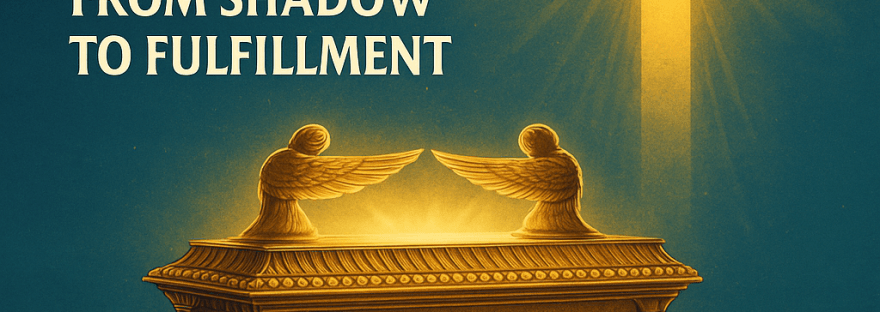
The Ark and Christ: From Shadow to Fulfillment

From the Series: The Ark of the Covenant as a Prophetic Game Changer

“For the law, having a shadow of the good things to come, and not the very image of the things, can never with these same sacrifices, which they offer continually year by year, make those who approach perfect.” — Hebrews 10:1 (NKJV)

The Ark of the Covenant was the most sacred object in Israel’s history. It symbolized God’s presence, His covenant, and His holiness. But as powerful as those symbols were, they were never the end in themselves. They were shadows pointing forward to Christ — the true presence of God, the ultimate mediator, and the fulfillment of all God’s promises.


The Mercy Seat — Christ Our Atonement

The mercy seat atop the Ark was sprinkled with sacrificial blood once a year on the Day of Atonement (Leviticus 16:14–15). This foreshadowed Christ, whose blood is the once-for-all atonement for sin:

  • “Whom God set forth as a propitiation by His blood, through faith.” — Romans 3:25
  • Christ’s cross became the true mercy seat, where wrath was satisfied and mercy was poured out.

The Tablets of the Covenant — Christ the Word Made Flesh

Inside the Ark were the stone tablets of the Law (Deuteronomy 10:5). They testified to God’s righteous standard. But Israel could not keep the Law perfectly. Christ fulfilled it completely:

  • “Do not think that I came to destroy the Law or the Prophets. I did not come to destroy but to fulfill.” — Matthew 5:17
  • He is the living Word, written not on stone but on hearts (2 Corinthians 3:3).

The Manna — Christ the Bread of Life

The golden pot of manna reminded Israel of God’s provision in the wilderness (Exodus 16:33). Jesus declared Himself the true bread from heaven:

  • “I am the bread of life. He who comes to Me shall never hunger, and he who believes in Me shall never thirst.” — John 6:35
  • The manna sustained for a day; Christ satisfies for eternity.

Aaron’s Rod That Budded — Christ the Resurrection and Life

Aaron’s rod budded with blossoms as a sign of God’s chosen priesthood (Numbers 17:8). This pointed forward to Christ, our eternal High Priest, confirmed by resurrection power:

  • “I am the resurrection and the life. He who believes in Me, though he may die, he shall live.” — John 11:25
  • The rod bloomed with life from death; Christ conquered the grave.

The Ark Itself — Christ With Us

Above all, the Ark was the meeting place of God and man:

  • “There I will meet with you, and I will speak with you from above the mercy seat.” — Exodus 25:22
  • In Christ, God came to dwell with us: “The Word became flesh and dwelt among us.” — John 1:14

Where the Ark was a shadow, Christ is the substance.


Our Hope and Assurance

If the Ark is ever rediscovered, it will testify to history. But Christ is greater than history. He is the fulfillment of every symbol within the Ark, the true presence of God, and the sure hope of salvation.

The Ark pointed forward to Him. He is the greater glory, the eternal mercy seat, and the King who will return.


Reflection Questions

  1. How does each item in the Ark point to Christ’s work and identity?
  2. Why is it dangerous to focus on relics or symbols apart from their fulfillment in Christ?
  3. How can this understanding strengthen your confidence in God’s promises today?

Closing Prayer

Lord, thank You that every shadow finds its fulfillment in Christ. Keep us from clinging to symbols when we have the substance. Fix our eyes on Jesus, our mercy seat, our bread of life, our resurrection and our eternal King. Amen.


Note on Prophetic Theories

The Man of Lawlessness (Antichrist) is a prophetic certainty (2 Thessalonians 2:3–4; Daniel 9:27; Matthew 24:15). The Ark of the Covenant is seen in heaven (Revelation 11:19).

However, the role of the earthly Ark in end-times prophecy is a matter of theory, not doctrine. Its rediscovery could align with prophecy (Temple rebuilding, Antichrist’s deception, global conflict), but Scripture does not require this for God’s plan to unfold.

We handle prophecy with reverence:

  • Certainties we hold tightly.
  • Theories we explore carefully.
  • Speculation we avoid.

Let Scripture remain our anchor as we watch and wait for Christ’s return.


Eschatology, The Last Days

Building the Case for Premillennialism

From the series: Understanding the End Times — A Biblical Framework

“And they lived and reigned with Christ for a thousand years.” — Revelation 20:4 (NKJV)

What does the Bible say about the future reign of Christ? Revelation 20 gives us a clear picture: after His return in glory, Jesus Christ will establish a kingdom on this earth, reigning for a thousand years. This is the heart of Premillennialism — the belief that Christ returns before the millennium to reign literally.

But is this view truly biblical, or is it a system imposed on the text? Let’s examine the evidence.


The Plain Reading of Revelation 20

Revelation 20:1–6 describes Satan bound for a thousand years, the saints reigning with Christ, and the first resurrection. The phrase “a thousand years” appears six times in just six verses.

If God repeats Himself, He wants us to notice. The simplest reading is that this is a literal thousand years. Just as Israel’s 70 years of captivity were literal (Jeremiah 25:11–12), so will Christ’s millennial reign be literal.


Old Testament Promises of Messiah’s Reign

The millennium isn’t confined to Revelation. The prophets repeatedly spoke of a future kingdom:

  • Zechariah 14:4, 9 — The Lord’s feet will stand on the Mount of Olives, and He will be King over all the earth.
  • Isaiah 2:2–4 — Nations stream to the mountain of the Lord, swords turned into plowshares, peace filling the earth.
  • Isaiah 11:6–9 — The wolf dwells with the lamb, and the earth is full of the knowledge of the Lord.

These aren’t vague ideals. They are specific promises awaiting fulfillment.


The Apostles’ Expectation

In Acts 1:6, the disciples asked: “Lord, will You at this time restore the kingdom to Israel?”

Jesus didn’t rebuke their expectation of a literal kingdom. He only said the timing was not for them to know (Acts 1:7). The kingdom itself was certain. Premillennialism honors that expectation.


God’s Covenant Faithfulness

Romans 11:25–29 makes it clear that God’s promises to Israel are irrevocable:

“Blindness in part has happened to Israel until the fullness of the Gentiles has come in. And so all Israel will be saved… For the gifts and the calling of God are irrevocable.”

Premillennialism safeguards God’s covenant faithfulness. He has not abandoned His promises to Abraham, Isaac, and Jacob.


The Character of Christ’s Return

Revelation 19 describes Christ’s return: a conquering King, striking the nations, ruling with a rod of iron. Psalm 2 promised the same.

If His return is literal, visible, and victorious, His reign must be too.


Consistency with His First Coming

Every prophecy of Christ’s first coming was fulfilled literally:

  • Born in Bethlehem (Micah 5:2; Matthew 2:1).
  • Riding on a donkey (Zechariah 9:9; Matthew 21:5).
  • Pierced hands and feet (Psalm 22:16; John 20:25–27).

If God fulfilled the first coming literally, why would we expect the second coming to be spiritualized?


Reflection

The case for Premillennialism isn’t complicated. It’s simply taking God at His Word. Revelation 20 says a thousand years — and we believe it. The prophets described a kingdom of peace and restoration — and we believe it. The apostles expected a restored kingdom for Israel — and we believe it.

Premillennialism is faith in God’s promises as written.


Reflection Questions

  1. How does the repetition of “a thousand years” in Revelation 20 shape your view of the millennium?
  2. Why is it important that Jesus did not rebuke the apostles’ expectation of a literal kingdom?
  3. How does God’s covenant faithfulness to Israel strengthen your confidence in His promises to you?

Closing Prayer

Lord, thank You that Your promises are sure and Your covenants are unbreakable. Strengthen our faith to take You at Your Word, even when the world mocks or doubts. Help us to live in hope of Christ’s return and reign, and to long for the day when He will be King over all the earth. In Jesus’ name, Amen.


References & Further Reading

Scripture:

  • Revelation 19:11–16 — Christ’s visible return as conquering King.
  • Revelation 20:1–6 — the thousand-year reign repeated six times.
  • Zechariah 14:4, 9 — Messiah’s feet on the Mount of Olives; He reigns over all the earth.
  • Isaiah 2:2–4 — nations streaming to the Lord’s house, peace among nations.
  • Isaiah 11:6–9 — creation renewed under Messiah’s reign.
  • Acts 1:6–7 — disciples expecting the restoration of the kingdom to Israel.
  • Romans 11:25–29 — Israel’s salvation and God’s irrevocable promises.
  • Psalm 2:6–9 — the nations given to the Son as His inheritance.

Early Church Witnesses:

  • Papias (AD 60–130), cited in Eusebius, Ecclesiastical History 3.39 — affirmed a literal kingdom.
  • Justin Martyr, Dialogue with Trypho ch. 80 — defended belief in a literal 1,000-year reign.
  • Irenaeus, Against Heresies 5.32–36 — describes in detail the millennial kingdom.
  • Tertullian, Against Marcion 3.24 — anticipated Christ’s earthly reign.

Historical Development:

  • Premillennialism (Chiliasm) dominated the Ante-Nicene church.
  • Decline came with Origen’s allegorical method and Augustine’s City of God (20.7), which redefined the millennium as symbolic.

Archaeological & Textual Evidence:

  • Dead Sea Scrolls — confirm Jewish expectation of a coming Messianic kingdom (e.g., 4QFlorilegium).
  • Early church mosaics and inscriptions — often depict Christ as reigning King, reflecting literal expectation.
  • Codex Sinaiticus (c. AD 350) — preserves Revelation 20 intact, showing continuity in the text.

Extra-Biblical / Scholarly Notes:

  • Josephus, Antiquities of the Jews 18.1 — records Jewish messianic hope in the first century.
  • Hippolytus, Commentary on Daniel — interprets prophecy literally, expecting Christ’s reign.
  • Philip Schaff, History of the Christian Church — describes early dominance of Chiliasm.
  • George N. H. Peters, The Theocratic Kingdom (1884) — comprehensive defense of Premillennialism.
  • John MacArthur, The Second Coming (1999) — clear articulation of Christ’s literal return and reign.

Leave a comment

Ark of the Covenant, The Last Days

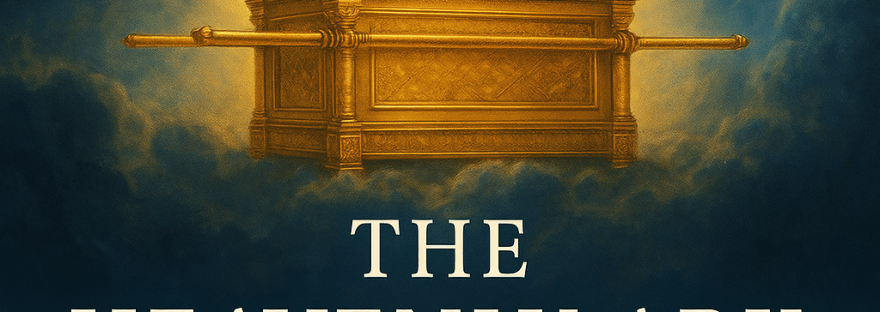
The Heavenly Ark: Revelation 11:19 and God’s Final Word

From the Series: The Ark of the Covenant as a Prophetic Game Changer

“Then the temple of God was opened in heaven, and the ark of His covenant was seen in His temple. And there were lightnings, noises, thunderings, an earthquake, and great hail.” — Revelation 11:19 (NKJV)

For centuries, people have searched for the Ark of the Covenant — from caves in Qumran to tunnels beneath Jerusalem. But Revelation reminds us that even if the earthly Ark remains hidden, there is a greater reality: the Ark of His covenant is in heaven. This heavenly vision reminds us that God’s covenant is unbreakable, His throne unshakable, and His judgment unavoidable.


The Ark in Heaven

John’s vision does not point to the earthly artifact but to the reality it foreshadowed. The Ark represented:

  • God’s throne — where mercy and judgment meet (Exodus 25:22).
  • God’s covenant — His Law, His provision (manna), and His priesthood (Aaron’s rod).
  • God’s presence — dwelling in the midst of His people.

In Revelation 11:19, heaven itself opens to reveal that God has not forgotten His covenant promises — or His warnings.


A Warning of Judgment

The heavenly Ark is revealed with “lightnings, noises, thunderings, an earthquake, and great hail.” This imagery recalls Sinai (Exodus 19:16–19), when God descended in holiness and judgment.

In the last days, the Ark in heaven declares that:

  • God’s covenant is intact, even as nations rage.
  • God’s judgments are real, not symbolic.
  • God’s presence is unshaken, no matter what happens on earth.

The world may exalt relics or institutions, but heaven reveals the true Ark — the place where God’s covenant and glory remain forever.


From Shadow to Substance

The earthly Ark was a shadow; Christ is the substance.

  • The mercy seat points to His sacrifice (Romans 3:25).
  • The manna points to Him as the Bread of Life (John 6:48–51).
  • Aaron’s rod points to His resurrection life (Hebrews 7:16).

The Ark in heaven is not a box of relics but the eternal reality of God’s covenant fulfilled in Christ.


Our Comfort and Confidence

As deception grows, believers can rest in this truth: the Ark in heaven cannot be stolen, hidden, or corrupted. It reminds us that God rules from His throne, that His promises are certain, and that Christ will return to reign.


Reflection Questions

  1. How does Revelation 11:19 shift our focus from earthly relics to heavenly realities?
  2. What does the Ark in heaven reveal about God’s faithfulness to His covenant?
  3. How can this vision strengthen us to endure in hope until Christ’s return?

Closing Prayer

Lord, thank You that Your throne is in heaven and Your covenant cannot be broken. When the world rages and deceives, lift our eyes to the heavenly Ark — the true place of mercy and judgment fulfilled in Christ. Strengthen our faith to endure until the day He returns in glory. Amen.


Note on Prophetic Theories

The Man of Lawlessness (Antichrist) is a prophetic certainty (2 Thessalonians 2:3–4; Daniel 9:27; Matthew 24:15). The Ark of the Covenant is seen in heaven (Revelation 11:19).

However, the role of the earthly Ark in end-times prophecy is a matter of theory, not doctrine. Its rediscovery could align with prophecy (Temple rebuilding, Antichrist’s deception, global conflict), but Scripture does not require this for God’s plan to unfold.

We handle prophecy with reverence:

  • Certainties we hold tightly.
  • Theories we explore carefully.
  • Speculation we avoid.

Let Scripture remain our anchor as we watch and wait for Christ’s return.


Eschatology, The Last Days

Apostasy: The Mark of the Last Days

From the series: Understanding the End Times — A Biblical Framework

“Let no one deceive you by any means; for that Day will not come unless the falling away comes first, and the man of sin is revealed, the son of perdition.” — 2 Thessalonians 2:3 (NKJV)

When people talk about the “signs of the last days,” they often point to wars, disasters, or technology. But Scripture places a different marker front and center: apostasy — a great falling away from the truth.

This isn’t about occasional doubt or a personal struggle in faith. It’s about a deliberate rejection of truth once professed. And according to the Bible, apostasy is the clearest sign that the last days are upon us.


What Is Apostasy?

The Greek word apostasia means “departure, rebellion, defection.” It’s used in 2 Thessalonians 2:3 to describe a turning away that must take place before the Antichrist is revealed.

Apostasy is not:

  • A believer stumbling into sin (backsliding).
  • A period of spiritual dryness or weakness.

Apostasy is:

  • A conscious rejection of God’s truth.
  • A shift from confessing Christ to denying Him.
  • A rebellion that paves the way for deception.

Apostasy in Scripture

The Bible repeatedly warns that apostasy will mark the end times:

  • Jesus“Many will be offended, will betray one another, and will hate one another. Then many false prophets will rise up and deceive many. And because lawlessness will abound, the love of many will grow cold.” (Matthew 24:10–12)
  • Paul“Now the Spirit expressly says that in latter times some will depart from the faith, giving heed to deceiving spirits and doctrines of demons.” (1 Timothy 4:1)
  • Peter“There will be false teachers among you, who will secretly bring in destructive heresies, even denying the Lord who bought them.” (2 Peter 2:1)
  • Jude“Certain men have crept in unnoticed… ungodly men, who turn the grace of our God into lewdness and deny the only Lord God and our Lord Jesus Christ.” (Jude 1:4)

This is not a rare theme. It is one of the most consistent warnings across the New Testament.


Apostasy vs. Backsliding

It’s important to distinguish between these two:

  • Backsliding — a true believer who stumbles but later repents and is restored. Example: Peter denied Christ, but was forgiven and restored (John 21).
  • Apostasy — a person who abandons the faith altogether and rejects Christ. Example: Judas walked with Jesus, but betrayed Him and perished in rebellion.

Backsliding is weakness. Apostasy is willful rejection.


The Fruit of Apostasy

What happens when apostasy takes root? Scripture describes its fruit:

  • Corruption of truth — sound doctrine replaced by myths (2 Timothy 4:3–4).
  • Compromise with the world — truth exchanged for acceptance.
  • Hostility toward the faithful — persecution of those who stand firm.

Where God’s truth is abandoned, deception quickly fills the void.


Apostasy as a Prophetic Marker

2 Thessalonians 2:3 makes it plain: before the man of sin is revealed, the falling away must come. Apostasy prepares the soil for Antichrist.

  • A weakened, deceived church becomes vulnerable.
  • A world hungry for false unity opens its arms to lies.
  • Antichrist steps onto the stage in the vacuum left by truth.

This is not only a tragedy — it is prophecy being fulfilled.


Our Response

What can faithful believers do in a time of apostasy?

  • Cling to the Word“Preach the word! Be ready in season and out of season.” (2 Timothy 4:2)
  • Test the Spirits“Do not believe every spirit, but test the spirits, whether they are of God.” (1 John 4:1)
  • Hold Fast“Contend earnestly for the faith which was once for all delivered to the saints.” (Jude 1:3)
  • Love the Truth“…because they did not receive the love of the truth, that they might be saved.” (2 Thessalonians 2:10)

The cure for apostasy is not clever arguments or cultural compromise. It is steadfast love for God’s Word.


Reflection

Apostasy is not a distant threat. It is the mark of the age we live in. The call of Scripture is not to despair but to stand firm. While many fall away, those who love the truth will endure to the end (Matthew 24:13).


Reflection Questions

  1. How would you explain the difference between backsliding and apostasy?
  2. Which warnings about apostasy in Scripture speak most strongly to you today?
  3. How can you “contend earnestly for the faith” in your own sphere of influence?

Closing Prayer

Lord, in these last days, keep us from the great falling away. Anchor us in Your truth, guard our hearts from deception, and strengthen us to stand firm in the face of opposition. Give us a love for Your Word that cannot be shaken, and make us faithful witnesses until Christ returns. In Jesus’ name, Amen.


References & Further Reading

Scripture:

  • 2 Thessalonians 2:3 — the falling away must come first, before the man of sin is revealed.
  • 1 Timothy 4:1 — some will depart from the faith, following deceiving spirits and doctrines of demons.
  • 2 Timothy 4:3–4 — people will not endure sound doctrine but heap up teachers according to their desires.
  • Matthew 24:10–12 — betrayal, hatred, deception, and love growing cold in the last days.
  • 2 Peter 2:1–3 — false teachers bringing in destructive heresies.
  • Jude 1:3–4 — contending for the faith against ungodly men who pervert grace.
  • Matthew 7:16–20 — by their fruits you will know them.
  • Hebrews 3:12 — warning against departing from the living God.

Early Church Witnesses:

  • Didache (late 1st–early 2nd century), ch. 16 — warns of false prophets and the increase of lawlessness before the end.
  • Irenaeus (Against Heresies 5.28–30) — identifies deception and false teachers as forerunners of Antichrist.
  • Tertullian (On the Resurrection of the Flesh 24) — cautions against heresies and departures from apostolic teaching.

Historical Development:

  • Early councils (e.g., Council of Nicaea, AD 325) arose because heresies such as Arianism threatened to corrupt the church.
  • Apostasy often increased during times of state involvement, when political power compromised doctrine.

Archaeological & Textual Evidence:

  • Early Christian inscriptions and catacomb art (2nd–4th centuries) show the church’s struggle to remain faithful under persecution and heresy.
  • Manuscript transmission of Jude and 2 Peter highlights the early church’s recognition of their warnings against apostasy.

Extra-Biblical / Scholarly Notes:

  • Josephus, Wars of the Jews — records corruption and betrayal among Jewish leaders before Jerusalem’s fall, foreshadowing broader apostasy patterns.
  • Eusebius, Ecclesiastical History — documents early false teachers and schisms within the church.
  • Philip Schaff, History of the Christian Church (1882) — detailed survey of heresies and apostasies through the centuries.
  • Francis Schaeffer, The Great Evangelical Disaster (1984) — modern analysis of doctrinal compromise in the church.

Leave a comment