Kingdom Archives

Faith That Shook Empires: The Legacy of the Ante-Nicene Christians

From the Series: Ordinary Saints: Lessons from the Ante-Nicene Church

Scripture quotations are from the New King James Version®.
Copyright © 1982 by Thomas Nelson. Used by permission. All rights reserved.

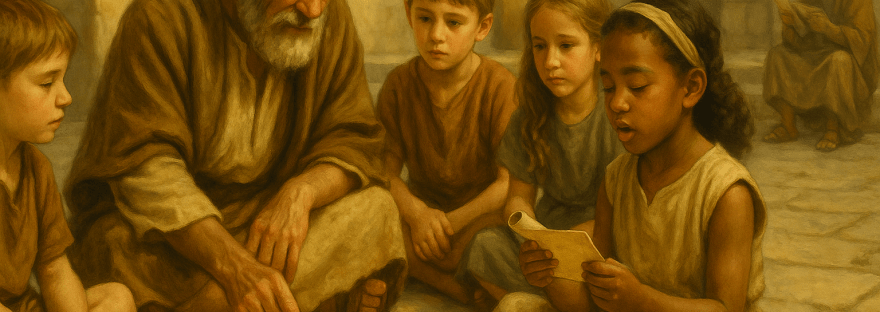
The Ante-Nicene Christians, who lived from AD 33 to 325, demonstrate how ordinary individuals can be profoundly transformed by authentic faith in Christ. Their courage, love, and commitment to Jesus’ teachings arose not from privilege or esoteric knowledge, but from lives wholly devoted to following Him. As successors to the first disciples, they significantly influenced their world and established a compelling model for contemporary Christians.

To understand their influence, it is important to examine who the Ante-Nicene Christians were and how their historical context shaped their faith.

Ante-Nicene Christians lived prior to the Council of Nicaea in AD 325. Their faith developed amid hardship and persecution rather than comfort. They did not rely on seminaries or formal church structures. Instead, they adhered to the Bible, the teachings transmitted from the Apostles, and the guidance of the Holy Spirit (John 14:26; 1 John 2:27).

They were:

  • Disciples of disciples: They received instruction from individuals who had learned directly from the Apostles.
  • Anchored in Scripture: They regarded the Bible as complete and sufficient. They sought understanding from the Holy Spirit rather than altering human traditions.
  • Fluent in context: They lived within the Greco-Roman world, spoke Koine Greek, and engaged with Scripture directly, without the necessity of bridging significant historical or cultural gaps.
  • Unified and scattered: They assembled in homes rather than cathedrals, yet sustained profound unity in faith across diverse regions. Their solidarity was grounded in trust in the Word and the Spirit, rather than in centralized authority or ecclesiastical council. By the early fourth century, Christianity had spread to nearly every province of the Roman Empire and beyond. Eusebius, an early church historian, documented that the message of Christ had reached “all the nations” prior to Constantine’s reign (Eusebius, Ecclesiastical History, 3.1).

With this background, it is valuable to consider how others perceived them and what they were recognized for.

Notably, some of the most compelling testimony originates not from Christians themselves, but from their Roman persecutors.

Tertullian, writing around AD 197, defended Christians against Roman accusations in his work Apologeticus.“It is mainly the deeds of a love so noble that lead many to put a brand upon us. ‘See,’ they say, ‘how they love one another.'” This statement was not Tertullian boasting; rather, he conveyed the perspective of non-Christians regarding believers. Persecutors expressed astonishment at their love, which included care for orphans, the poor, and abandoned infants (Justin Martyr, First Apology, 67; Aristides, Apology). Roman Emperor Julian the Apostate, a later critic of Christianity, reluctantly acknowledged in the fourth century:

“It is disgraceful that the impious Galileans support not only their own poor but ours as well; all men see that our people lack aid from us.”
Letter to Arsacius, c. AD 362

Even when maligned or martyred for their faith, the early Church was recognized for a love that originated from transformed hearts.

Beyond their reputation, it is important to consider what truly distinguished these believers from the society that surrounded them.

These believers did not identify as ‘theologians’ or pursue titles, separation, or elaborate leadership structures. Instead, they embodied humility, holiness, and service. They regarded themselves as:

  • Slaves of Christ (Romans 6:22),
  • Aliens and strangers in this world (1 Peter 2:11),
  • Ambassadors of a Kingdom not of this earth (2 Corinthians 5:20).

They refused to kill, even in war, or to protect themselves. They would not worship Caesar or offer incense, even if it involved losing their lives. Why? Because they believed Jesus’ words in Matthew 5 to 7 were not just a beautiful sermon, but the true standard of Heaven.

In contrast, the modern Church, particularly in the West, often struggles to demonstrate the same vibrant faith as the Ante-Nicene Christians.

This is because many have exchanged Kingdom living for cultural conformity, regarding the Sermon on the Mount as a recommendation rather than as a standard.

If we truly belong to Christ as His servants and children, we must return to the radical, holy, and love-filled way of life that characterized the early believers. Our admiration should not be directed toward them, but rather toward the God who empowered them.

“They overcame him because of the blood of the Lamb and because of the word of their testimony, and they did not love their life even unto death.” I do not glorify these early Christians; God has already done so, calling them “those of whom the world was not worthy” (Hebrews 11:38). They did not merely die for Jesus; they lived entirely for Him.

What’s Ahead

In the coming weeks, I will examine their writings, their stories, and, most importantly, the Scriptures that shaped them. Together, we will evaluate all things, both past and present, by the Word of God, seeking the Holy Spirit’s interpretation rather than relying solely on human opinions.

Let us commit together to studying their lives, their writings, and God’s Word. Begin this journey by reading the Scriptures referenced above and reflecting on how you might embody the faith of the early believers in your daily life. Please share your perspectives or questions as we continue this conversation and grow together.

📚 Sources & References

·  Scripture:

  • John 14:26
  • 1 John 2:27
  • Jude 3
  • Hebrews 11:38–40
  • Revelation 12:11
  • Romans 6:22
  • 1 Peter 2:11
  • 2 Corinthians 5:20
  • Matthew 5–7

·  Historical & Early Church Writings:

  • Tertullian, Apology, ch. 39 (c. AD 197)
  • Eusebius, Ecclesiastical History, 3.1
  • Justin Martyr, First Apology, ch. 67
  • Aristides, Apology
  • Emperor Julian, Letter to Arsacius (c. AD 362)
  • Rodney Stark, The Rise of Christianity, HarperOne, 1996
Biblical Jesus, Kingdom Discipleship

The Church: Living in Promise, Not Suspense

From the Series: The Biblical Jesus and His Bride

Scripture quotations are from the New King James Version®.
Copyright © 1982 by Thomas Nelson. Used by permission. All rights reserved.

The Church does not live in uncertainty. She lives with the promise already given. If Christ is the Bridegroom and deliverance has happened, the wedding is sure to come. Knowing there is an eternal home changes how we live now. This time is for preparation, not just waiting. Preparation is active and takes many forms. Church members prepare by nurturing a life of prayer, serving others in love, growing in understanding through study of Scripture, and encouraging one another in faith. These practices help transform hope into action and keep the Church focused on Christ.

Scripture describes the Church as the Bride, living between betrothal and the final union. How the Church acts during this time matters. Jesus told His disciples, “Watch therefore, for you do not know what hour your Lord is coming” (Matthew 24:42). This kind of watchfulness is about being attentive, not anxious. It means being ready with hope, not fear.

Today, some believers are tempted to ignore Christ’s return, while others focus too much on signs and predictions. True biblical watchfulness is steady. It is like a Bride who trusts the promise and does not try to control the timing. She stays awake, faithful, and ready. Steady watchfulness looks like a life shaped by hope and trust. It is seen in regular prayer, seeking God’s presence, serving others, and staying engaged in the work Christ has given. Balanced watchfulness means living with expectation, but also a quiet confidence, avoiding both neglect and obsession. The Bride continues in everyday faithfulness—praying, caring, working, and waiting—knowing the Bridegroom will arrive in His time.

Peter links future hope with how we live now. He asks, “What manner of persons ought you to be in holy conduct and godliness?” (2 Peter 3:11). The promise of renewal motivates the Bride. She seeks purity, not out of fear, but because she is confident about the upcoming wedding. In this pursuit of holiness, the Church can sometimes feel pressure to compromise its distinctiveness in order to be relevant to the world. However, true holiness is not measured by cultural acceptance or being aggressive in opposition. Instead, it is defined by covenant loyalty to Christ. The Bride remains loyal to Christ without hardening her heart toward the world. She reflects His character instead of conforming to cultural norms.

Jesus said, “By this all will know that you are My disciples, if you have love for one another” (John 13:35). As Christ’s return gets closer, Scripture warns, “the love of many will grow cold” (Matthew 24:12). The Bride fights against this by remembering that she is part of one Body and one Bride under one Lord. Truth keeps unity and love strong. Love, guided by truth, holds unity together.

Paul encourages steadfastness by reminding us of our hope. “Therefore, my beloved brethren, be steadfast, immovable, always abounding in the work of the Lord” (1 Corinthians 15:58). The Bride’s work matters because her hope lasts forever and her loyalty is to Christ alone. She does not get distracted by changes in culture or politics. Her foundation is Christ.

Being steadfast does not mean being indifferent. It means staying close to Christ. Jesus warned about deception, false messiahs, and misleading prophets. Scripture says, “Beloved, do not believe every spirit, but test the spirits” (1 John 4:1). Good discernment starts with Scripture. Knowing who Christ is remains essential. When people know less about the Bible, confusion increases. The Bride stays rooted in truth and listens for her Bridegroom’s voice. Practical discernment can begin with simple steps: when confronted with a new teaching or claim, first compare it to what Scripture clearly says about Christ. Ask if it agrees with Jesus’s life, teaching, and character as revealed in the Bible. Pray for wisdom and seek counsel from faithful believers and church leaders. In this way, ‘testing the spirits’ becomes an active daily practice that keeps the Church grounded in truth.

For the Church, hope is not just wishful thinking. It is an expectation that shapes us. “Everyone who has this hope in Him purifies himself, just as He is pure” (1 John 3:3). The Bride does not give in to despair or lose hope during hard times. Even when believers face discouragement, doubt, or suffering, they are not abandoned. Scripture acknowledges the reality of trials and their weight, but assures us that Christ is present and faithful in every circumstance. Members are encouraged to persevere, trusting that God’s promise remains sure even in the midst of difficulty. Her confidence is grounded in God’s unchanging promise, not in past events. She is called to go and make disciples of all nations (Matthew 28:19), not to retreat and wait. The Bride’s waiting is active; she shares the message, teaches, gathers, serves, and endures. Scripture never puts mission against holiness or hope against action. The Church is called to stay faithful until her Bridegroom comes. The Bible ends with these words: “Surely I am coming quickly.” The Church answers, “Amen. Even so, come, Lord Jesus!” (Revelation 22:20). This is not about escaping, but about longing for Christ. The Bride lives between being faithful now and hoping for the future. She does not fear Christ’s return or try to rush it, but truly longs for it.

Until that day comes, the Bride stays watchful, holy, loving, faithful, discerning, and hopeful. She is secure in belonging to Christ. Redemption is finished, the covenant lasts, and the promise is sure. The Church lives with confidence in this covenant, not with panic or pride, until Christ returns.

Biblical Jesus, Kingdom Discipleship

The Wedding of the Lamb: From Celebration to Eternal Dwelling

From the Series: The Biblical Jesus and His Bride

Scripture quotations are from the New King James Version®.
Copyright © 1982 by Thomas Nelson. Used by permission. All rights reserved.

The wedding of the Lamb in Scripture is not the end of God’s story, but an important turning point. Rather than ending with celebration, the Bible moves toward full restoration, picturing a future where God lives forever with His redeemed people. This promise of restoration is not just a distant hope; it offers encouragement and meaning for believers facing difficulties today. Knowing that God intends to heal what is broken and to be present with His people gives strength for daily struggles, assuring the congregation that every hardship is part of God’s plan to bring lasting renewal.

The Apostle John’s vision in Revelation captures this hope: “Now I saw a new heaven and a new earth, for the first heaven and the first earth had passed away.” (Revelation 21:1, NKJV) This passage shows not destruction, but renewal. Where sin broke creation, God brings restoration. Where rebellion caused corruption, God brings newness. The Bride, meaning the Church, does not leave the world but receives a renewed creation.

John shares an important message: “Behold, the tabernacle of God is with men, and He will dwell with them, and they shall be His people.” (Revelation 21:3, NKJV) This sums up the main story of the Bible: God wants to be with people. From Eden, to the tabernacle in the wilderness, to the temple in Jerusalem, to Jesus, “the Word became flesh and dwelt among us” (John 1:14, NKJV), and to the Church, where the Spirit lives in believers, God’s goal has always been to live with His people. In the new creation, this promise comes true: there is no more separation, no veil, and no barriers—just a direct relationship.

John also says: “And God will wipe away every tear from their eyes; there shall be no more death, nor sorrow, nor crying.” (Revelation 21:4, NKJV) These are not just comforting words, but real promises. Death and sorrow came through sin, but in eternity, they are completely gone. God does not ignore the suffering of His people; He heals it. In the midst of present-day hardships and uncertainty, believers can find real comfort and hope in these promises, knowing that their pain is seen by God and that ultimate healing is assured. While today’s culture looks for quick fixes, Scripture points us to a future restoration, showing that this broken world is not the end.

Revelation gives another powerful picture: “The city had no need of the sun or of the moon to shine in it, for the glory of God illuminated it. The Lamb is its light.” (Revelation 21:23, NKJV) In the new creation, God’s glory is enough—there is no need for the sun or moon. Christ stays at the center, never overshadowed. The Redeemer is always the source of light and life. The Church, as the Bride, does not outshine her Redeemer but lives forever in His light. This vision challenges the idea that eternity is about self-fulfillment. Instead, it shows eternity as centered on God, where the greatest blessing is being with Him.

One of the greatest promises is: “They shall see His face.” (Revelation 22:4, NKJV) In the Bible, seeing God directly was rare. Moses was protected, Isaiah was afraid, and only the high priest could go behind the veil once a year. But in the new creation, there is no veil. The Bride meets her Bridegroom, not as an idea, but in a real relationship. Faith becomes sight, hope is fulfilled, and love continues.

Revelation ends with: “And they shall reign forever and ever.” (Revelation 22:5, NKJV) The Bride not only lives with God but also reigns with Him. This reign is not about ruling alone, but sharing in what God gives, as Paul says: “If we endure, we shall also reign with Him.” (2 Timothy 2:12, NKJV) The Church, often overlooked in history, is finally honored, and her faithfulness is shown to be right.

John observes: “But I saw no temple in it, for the Lord God Almighty and the Lamb are its temple.” (Revelation 21:22, NKJV) Temples were needed because people were separated from God, but in eternity, everyone has constant access to Him. There is no night; all darkness, both real and symbolic, is gone. The new creation is not a repeating cycle but a finished story, bringing history to its true purpose.

God living forever with His people fulfills the prophets’ hope. Isaiah spoke of new heavens and a new earth (Isaiah 65:17), and Peter repeated this promise (2 Peter 3:13). God’s plan has always been to restore relationship, not just to save from judgment. The Bride’s story does not end with escape from wrath, but with renewed closeness. The Bible’s story always points to living together with God.

If the Church forgets about eternity, it loses sight of what matters. Ignoring restoration brings discouragement, and forgetting God’s presence leads to being distracted by lesser things. But when the Church remembers this hope, it sees suffering as temporary, finds meaning in obedience, and holds on to hope. Simple, daily practices help keep eternity in view: setting aside time for prayer and worship reminds believers of God’s ultimate promise; reading and meditating on Scripture points lives toward what lasts; gathering together as a community encourages faith and hope in the midst of struggle. Building these habits helps the Church live with expectancy, not just waiting to survive, but preparing for eternal life with her Bridegroom.

This vision of eternal dwelling informs the present, imbuing each ordinary decision with lasting significance. Consequently, the Church does not wander aimlessly but proceeds with purpose, motivated by the promise of joyful and unbroken communion with her Bridegroom. The narrative does not merely conclude; it culminates in the everlasting, radiant presence of God with His people, a hope that shapes and sustains every step until the final chapter unfolds.

Biblical Jesus, Kingdom Discipleship

The Story of Scripture: Toward the Marriage of the Lamb

From the Series: The Biblical Jesus and His Bride

Scripture quotations are from the New King James Version®.
Copyright © 1982 by Thomas Nelson. Used by permission. All rights reserved.

The story of Scripture, from Genesis to Revelation, moves toward a clear goal: a wedding. God is always shown as the one who makes, keeps, and fulfills His promises. The first promise in Eden is finally fulfilled in the union of Christ and His Church.

John’s vision in Revelation says, “Let us be glad and rejoice and give Him glory, for the marriage of the Lamb has come, and His wife has made herself ready” (Revelation 19:7, NKJV). This is a statement of prophetic certainty, not just poetic language. The Bridegroom is the Lamb who was slain. Redemption stays at the center, even in glory. The wedding does not take away from the cross; it confirms its importance.

Today, many people view Christ’s return with fear, speculation, or as only a symbol. Some focus on dates and create anxiety. But Revelation 19 offers another view: “Blessed are those who are called to the marriage supper of the Lamb!” (Revelation 19:9, NKJV). For believers, this is a time of celebration, not fear. The Bride welcomes her Bridegroom with joy. The promise is fulfilled, waiting ends, and separation is over. It creates a subtle distortion: when the Church forgets that she is the Bride, the return of Christ feels threatening rather than joyful. But when covenant love is remembered, the coming of Christ is not escape—it is homecoming.

John also says, “And to her it was granted to be arrayed in fine linen, clean and bright, for the fine linen is the righteous acts of the saints” (Revelation 19:8, NKJV). This clothing is given, not made by her; her righteousness is a gift, not something she earns. Justification and sanctification go together: the Bride is made righteous through Christ and lives righteously by the Spirit’s work. Today, people often separate these ideas, either downplaying change in the name of grace or stressing performance to be holy. But Scripture keeps them together.

This union of Christ’s gift and the Spirit’s work is not only theological; it shapes daily life. To receive Christ’s righteousness is to be freed from striving for approval, while living by the Spirit means responding to God’s grace with real trust and obedience. It impacts how we approach relationships, make decisions, and respond to challenges. When believers understand that their worth is secure in Christ and their actions are empowered by the Spirit, everyday choices—such as extending forgiveness, pursuing honesty, and acting with compassion—become practical expressions of faith. The gospel is not simply a future hope but an immediate way of living.

The Marriage of the Lamb is not a private event, but a cosmic declaration. Throughout history, the Church has been misunderstood, persecuted, and marginalized. Her loyalty has often seemed weak, and her faithfulness has been costly. The wedding, however, reveals an eternal reality: the One who was rejected is revealed as King, and His people as His own. Paul affirms, “When Christ who is our life appears, then you also will appear with Him in glory” (Colossians 3:4, NKJV). The Bride’s glory is derived; she appears with Him, emulating His radiance rather than her own.

Revelation moves us from the supper to being in God’s presence: “Behold, the tabernacle of God is with men, and He will dwell with them, and they shall be His people” (Revelation 21:3, NKJV). The wedding is not simply a celebration; it is about being with God again. Sin no longer separates us. The veil is gone. The Bride does not just attend a feast; she lives with her Bridegroom. “They shall see His face” (Revelation 22:4, NKJV). There is no need for a mediator, shadow, or temple. The Lamb who saved now reigns in full glory.

Redemption ends not just with union, but with restoration: “God will wipe away every tear from their eyes; there shall be no more death, nor sorrow, nor crying” (Revelation 21:4, NKJV). This is not just a consoling thought, but the fulfillment of God’s promise. The Bride’s struggles are not forgotten; they prepare her for glory. While people today may look for relief, Scripture promises real restoration.

The wedding does not end in longing, but in loss. “And they shall reign forever and ever” (Revelation 22:5, NKJV). The Bride does not just survive; she reigns with her King. This reign is not about being independent, but about sharing in His inheritance: “If we endure, we shall also reign with Him” (2 Timothy 2:12, NKJV). Our endurance now leads to shared glory. The Church’s suffering does not determine her future; her destiny is to reign with Christ, not to stay on the margins.

For those walking through pain or uncertainty now, this promise is profoundly personal. Present trials can feel heavy and at times overwhelming, but the assurance of sharing Christ’s inheritance brings encouragement. Every struggle and faithful act of endurance is seen by God and is integrated into the hope of a realm where sorrow is finished, and joy is made complete. This promised reign does not ignore our hardships, but redeems them, giving courage to hold fast and hope that suffering is never wasted.

Scripture concludes not with explanation, but with an exchange: Christ declares, “Surely I am coming quickly,” and the Bride responds, “Amen. Even so, come, Lord Jesus!” (Revelation 22:20, NKJV). The Spirit and the Bride together say, “Come!” (Revelation 22:17, NKJV). The Church’s final posture is characterized not by fear, confusion, or speculation, but by longing and love.

If the Church forgets the wedding, she focuses too much on the present. Forgetting the Lamb leads to confusion about glory. Ignoring the promise leads to lost hope. But when the Church remembers these truths, she knows her waiting will end, her suffering is not the last word, and she belongs forever.

Practically, we remember these promises through rhythms of prayer, worship, and gathering with others who share the same hope. Allocating time each day for prayer helps our hearts to remember God’s faithfulness. Worship—both individual and collective—lifts our perspective above our circumstances and reminds us of our eternal relationship with Christ. An intentional community with fellow believers offers encouragement and keeps hope alive, especially during seasons of discouragement. Sharing the Lord’s Supper, singing songs that point to Christ’s return, meditating on Scripture, and speaking words of assurance to each other are simple yet powerful ways to focus our attention on the wedding to come. In these practices, the promise stays vivid and fuels endurance.

The Marriage of the Lamb is not simply a symbol; it is the fulfillment of God’s promise. The Bridegroom who has called, redeemed, and made holy will finally keep His promise. This hope shapes how the Bride lives today.

Biblical Jesus, Kingdom Discipleship, Prayer

Jesus Christ and a People Called Out: The Foundation of the Church

From the Series: The Biblical Jesus and His Bride

Scripture quotations are from the New King James Version®.
Copyright © 1982 by Thomas Nelson. Used by permission. All rights reserved.

Christ supports His Church today by His Spirit, through His Word, and as its leader. But the Bible describes the Church as more than just a Body; it also calls her a Bride. This image is not only about feelings, but about a covenant. It speaks of commitment, exclusivity, devotion, and deep hope. If Christ is the Bridegroom, the Church is not just organized under Him—she is deeply connected to Him.

Paul’s words in 2 Corinthians 11:2 are important: “I feel a divine jealousy for you, since I betrothed you to one husband, to present you as a pure virgin to Christ.” In the Bible, betrothal was never casual. It was a binding covenant, exclusive, and looking forward to a future wedding. The Church does not have to wait to belong to Christ; she already belongs to Him by His sacrifice and promise, even though the complete union is still to come.

This reality defines the present age. The Church does not exist unattached. This truth forms our current time. The Church is not alone, searching, or trying different paths; she is betrothed, and her loyalty is whole. This language only makes sense when we talk about covenant loyalty. The Bride does not chase after other loves; her devotion is focused on Christ alone. In teaching, this shows Christ’s exclusivity, and in caring for people, it encourages the Church to stay faithful. However, it is important to define this preparation accurately. It is not based on self-generated merit or anxious striving; sanctification originates with Christ. The Bride’s preparation is not independent, as she is being readied by her Bridegroom. There is no contradiction: Christ provides the cleansing, and the Bride responds in obedience. Grace does not negate obedience; it produces it. The focus is not on outward profession but on inward spiritual life. Throughout Scripture, oil consistently signifies the Spirit. The Bride’s readiness is demonstrated not by external conformity, but by genuine spiritual vitality. This clarification is intended not to unsettle the faithful, but to define true preparation as abiding in Christ, walking in the Spirit, and persevering in truth.

The Bible does not just hint at the wedding; it announces it clearly. The mood is joyful and confident, not worried. The Bridegroom is called “the Lamb.” Even in heaven, redemption is at the center. The marriage celebrates both the union and the cost paid for it. This union is given, not earned. The Bride’s readiness is a gift before it is something she wears. The good deeds of believers come from grace, not pride. This protects the truth of justification and gives believers assurance.

From Eden, through the tabernacle and temple, to Jesus coming to earth, God has always aimed for one thing: to live with His people. The Bride does not just survive forever; she reigns with her King. This is not simply a symbol, but the real fulfillment of God’s promise. The Bible does not end with arguments, but with a conversation between Christ and His Church. This shows love, not fear. In the end, the Church waits with hope, looking forward with trust in God’s promise, not with panic or a desire to escape.

This truth makes something important clear: the Church’s identity is not limited by her current form or struggles. She is bound by covenant, being made holy, and waiting for a real and wonderful union. Everything about this time—holiness, perseverance, wisdom, and witness—comes from this basic truth.

So, what does this mean for our daily lives? We can live out holiness by setting aside time for prayer and reflecting Christ’s love in how we treat others. Perseverance looks like trusting God’s promises still when we face trials or discouragement, without giving up on our faith or on each other. Wisdom is practiced by seeking God’s guidance in decisions, listening to Scripture, and supporting one another with counsel anchored in truth. Our witness shines when we share kindness, invite others into our community, or serve those in need. Together, these practices help us to walk faithfully as Christ’s Bride, making this covenant real in our everyday actions.

Biblical Jesus, Kingdom Discipleship

Jesus Christ and Union: What It Means to Be “In Christ

From the Series: The Biblical Jesus and His Bride

Scripture quotations are from the New King James Version®.
Copyright © 1982 by Thomas Nelson. Used by permission. All rights reserved.

The Church is not just organized under Christ; she is joined to Him. Scripture shows us that this relationship is not simply a contract or a shared philosophy, but a covenantal union, specifically described as a betrothal.

Paul writes, “I have betrothed you to one husband, that I may present you as a chaste virgin to Christ” (2 Corinthians 11:2, NKJV). This is not just sentimental language; it reflects a covenant. In ancient times, betrothal was a binding promise that made the bride the groom’s property even before the wedding. In the same way, the Church already belongs to Christ, not as someone waiting to be chosen, but as someone already committed.

Contemporary misunderstandings frequently obscure this reality. Today, people often misunderstand this truth. Some see Jesus as just one influence among many, treat faith as optional, and downplay devotion. But Scripture shows the Church is fully committed: one Husband, one Lord, one allegiance. James writes, “Do you not know that friendship with the world is enmity with God?” (James 4:4, NKJV). This only makes sense in a covenant, since a bride cannot be loyal to others without breaking the relationship. The Church exists within society without adopting its value system. For example, a believer may face pressure at work to cut corners or remain silent about their faith to fit in, yet remain honest and act with integrity out of loyalty to Christ. At home, faithfulness may mean making time for prayer or helping family members in need, even when it is inconvenient. In cultural discussions, steadfastness might involve choosing not to compromise personal convictions for popularity or acceptance. Compromise is sometimes mischaracterized as compassion, and accommodation as wisdom, yet the imperative remains: fidelity to Christ alone. Paul’s reference to “godly jealousy” (2 Corinthians 11:2) mirrors God’s covenantal zeal. God does not share His Bride; this exclusivity is an expression of covenantal love, not insecurity.

If the Church is betrothed, then preparation matters. This preparation does not come from our own efforts, but from transformation through redemption. Paul says, “Christ loved the church and gave Himself for her, that He might sanctify and cleanse her” (Ephesians 5:25–26, NKJV). Sanctification starts with Christ, who begins, purifies, and keeps us. Still, believers are told to seek holiness: “Pursue peace with all people, and holiness, without which no one will see the Lord” (Hebrews 12:14, NKJV). The bride does not create her own righteousness, but lives by what Christ gives.

This view helps avoid two extremes: working anxiously to be accepted or being passively indifferent and taking grace for granted. True preparation comes from love and a desire to reflect the Bridegroom’s character. Practically, this balance grows through simple, daily habits: times of prayer that foster honest dependence on God, practicing gratitude for Christ’s redemption, and building accountability with other believers to encourage steady devotion. Regular self-examination helps keep motives pure while also reminding us to rest in Christ’s finished work. These attitudes and habits can help the Church remain faithful and joyful, avoiding anxious effort or careless indifference.

The parable of the wise and foolish virgins shows that true readiness comes from what is inside, not just outward connections. The oil, which stands for the Spirit’s presence, marks those who are truly prepared. Paul writes, “If anyone does not have the Spirit of Christ, he is not His” (Romans 8:9, NKJV). The Bride’s readiness is not about outward actions, but about having the Spirit, shown by spiritual life and lasting faith. But how can one recognize the Spirit’s presence? Scripture teaches that the Spirit’s work produces visible fruit, such as love, joy, peace, patience, kindness, goodness, faithfulness, gentleness, and self-control. A growing desire to follow Christ, a conviction of sin paired with a longing for holiness, and a steady transformation in character are all signs that the Spirit is at work. Genuine love for others, an increased reliance on God, and perseverance in faith also give assurance that the oil of the Spirit fills the lamp. These marks help believers assess their readiness and find confidence in their relationship with Christ.

Betrothal means waiting with hope. The Church does not enter eternity passively, but looks forward to Christ’s promised return. “Our citizenship is in heaven, from which we also eagerly wait for the Savior” (Philippians 3:20, NKJV). This waiting is active and based on trust. While we hope, we are called to serve others, pray faithfully, encourage one another, and share our faith so that we live with purpose and reflect Christ’s love in daily life. Acts of kindness, generosity, and steadfast prayer keep our hearts prepared and our hope vibrant. Hope helps keep our devotion pure and our priorities clear.

The betrothed Church is not promised comfort, but is called to endure. Jesus warned about deception, persecution, and fading love, but also said, “He who endures to the end shall be saved” (Matthew 24:13, NKJV). Endurance does not earn salvation; it shows true loyalty. The Bride keeps going not because she is perfect, but because her covenant is real and her place is secure through Christ’s faithfulness.

If the Church forgets her betrothal, she grows indifferent. If she forgets her exclusive commitment, she becomes divided. If she forgets to prepare, she becomes complacent. If she forgets her hope, she loses focus. But when the Church remembers these truths, her devotion grows stronger: she belongs to one Husband, is being prepared, and waits with hope.

This covenant identity shapes every part of the Church’s life. The Church is not just a group acting in the present; she prepares as a Bride for the promised wedding. This promise is not just a symbol, but something declared and assured, guiding the Church toward the final fulfillment.

Kingdom Discipleship

The Living Body: What the Church Is Now

From the Series: The Biblical Jesus and His Bride

Scripture quotations are from the New King James Version®.
Copyright © 1982 by Thomas Nelson. Used by permission. All rights reserved.

We have established that Jesus is the eternal Son, the crucified and risen Lord, Redeemer, and Bridegroom. He saves not only individuals, but a people, the Church, whom He loves, betroths, and claims as His own. Therefore, who is the Church in the present age, not merely in glory or at the Marriage of the Lamb, but during the period between Christ’s ascension and return? Scripture offers clear answers.

Understanding the Church’s identity is not just an abstract belief; it shapes how we live and serve today. Realizing we belong to Christ’s beloved people gives meaning to our worship, unity, and calling. It motivates us to love one another, serve sacrificially, and witness to God’s grace as members of His living body. This truth speaks to our daily Christian walk as much as to the Church’s eternal destiny.

Christ did not redeem only to withdraw. Although He has ascended, He has not abandoned His Church. From heaven, He reigns and yet remains near. The Church is not merely a waiting room; she is the living Body of Christ. “And He is the head of the body, the church.” (Colossians 1:18, NKJV)

This language is not simply symbolic; it expresses a profound reality. The Church lives because her Head lives: she is animated, directed, sustained, and governed by Him. If the Head reigns, the Body is not lifeless. If He intercedes, the Body is not forgotten. This truth transforms our understanding of the Church. She is not primarily an organization, denomination, or authority structure, but a living organism joined to her Lord and sustained by the Holy Spirit. Even though the visible Church is marked by denominational differences and historical divisions, the essential unity of the Body of Christ is upheld by the Spirit. These distinctions do not erase the Church’s deeper spiritual oneness in Christ. Believers from various traditions, though dispersed, remain members of one Body, sharing in the same life and hope.

Now we continue seamlessly:

When Jesus prepared His disciples for departure, He didn’t tell them to build in His absence, but promised Another—His presence by the Spirit, not a substitute. “If I depart, I will send Him to you.” (John 16:7, NKJV)

The Holy Spirit is not an accessory to the Church, but the divine Person through whom Christ indwells His people. Without the Spirit, the Church is reduced to memory and ritual. With the Spirit, she is truly alive. Paul makes this point unmistakably clear:

“Do you not know that you are the temple of God and that the Spirit of God dwells in you?” (1 Corinthians 3:16, NKJV)

For this reason, the Church cannot be reduced to a building. The true temple is not constructed of stone, but consists of people. God’s dwelling place is not architectural; it is covenantal. The Spirit does not merely influence believers externally; He unites them from within. “For by one Spirit we were all baptized into one body.” (1 Corinthians 12:13, NKJV)

Therefore, the unity of the Church is not subject to human negotiation or manufacture; it is established by the Spirit Himself. From this unity arise gifts, leadership, holiness, and perseverance—not as isolated topics, but as organic expressions of Christ actively governing His Bride in the present age. In the following sections, we will explore how the Holy Spirit bestows spiritual gifts, calls and equips leaders, and works through the sacraments to build up the Church. By examining these themes in greater depth, we will see how each contributes to the life and mission of the Church and how, together, they express Christ’s ongoing presence among His people.

Biblical Jesus, Kingdom Discipleship, The Biblical Christ

Jesus Christ and Relationship: Why He Calls a People to Himself

From the Series: The Biblical Jesus and His Bride

Scripture quotations are from the New King James Version®.
Copyright © 1982 by Thomas Nelson. Used by permission. All rights reserved.

Salvation is not just a goal to reach. Jesus Christ does more than save people from judgment; He invites them into a relationship with Himself. While false christs gather crowds, the true Christ forms a people who belong to Him. “You shall be My people, and I will be your God.” (Jeremiah 30:22, NKJV). This is the language of covenant, which Jesus fulfills and embodies. Eternal life is not a status or a certificate. Jesus explains it like this: “And this is eternal life, that they may know You, the only true God, and Jesus Christ whom You have sent.” (John 17:3, NKJV). In Scripture, “know” is about a personal, covenant relationship, not just head knowledge.  

But how can we truly know Christ in our daily lives? It begins with seeking Him intentionally. Setting aside time each day to pray, reading the Gospels and listening to His words, and worshiping with a sincere heart are practical ways to draw near to Him. By bringing our concerns to Him in prayer, meditating on Scripture, and spending time in quiet reflection, we open our hearts to know Him more deeply. These simple daily practices help us move beyond information about Jesus and cultivate a living relationship with Him.  

False gospels make salvation about escaping hell or gaining blessings, but Jesus says it is about knowing Him.

If you look at the Gospels, Jesus never tells people to adopt a certain worldview, follow a set of rules, or join a movement. Instead, He says, “Follow Me.” (Matthew 4:19, NKJV). Being a disciple is not about following an idea, but about being connected to a Person. He invites, “Come to Me, all you who labor and are heavy laden, and I will give you rest.” (Matthew 11:28, NKJV). False christs direct attention away from themselves, but Jesus draws people to Himself because He is the source of life.

Jesus talks about His relationship with His people like a shepherd with his sheep: “I am the good shepherd; and I know My sheep, and am known by My own.” (John 10:14, NKJV). This relationship goes both ways. He knows His people completely, and they recognize His voice: “My sheep hear My voice, and I know them, and they follow Me.” (John 10:27, NKJV). False christs use pressure, fear, or showy displays, but Jesus calls, and His people answer Him freely.

Having a relationship with Christ means being set apart. Jesus prayed, “They are not of the world, just as I am not of the world.” (John 17:16, NKJV) and also said, “Come out from among them and be separate, says the Lord.” (2 Corinthians 6:17, NKJV). This does not mean cutting ourselves off from others, but having a unique identity. In practical terms, being ‘set apart’ can look like showing honesty and integrity at work, even when it is costly, serving coworkers with kindness rather than competition, and forgiving those who wrong us. In families, it may mean prioritizing time together and showing sacrificial love, or speaking gently when tempers flare. In our communities, it can take the form of caring for those who are overlooked, seeking reconciliation instead of division, and choosing hope over cynicism. These everyday choices reflect a heart that belongs to Christ and stand out from the usual patterns of the world. While false christs try to fit in to gain power, Jesus creates a people who belong to a different kingdom.

This distinct identity is rooted in covenant. At the Last Supper, Jesus declared, “This cup is the new covenant in My blood, which is shed for you.” (Luke 22:20, NKJV). Covenants define relationships, and this new covenant includes forgiveness of sins, a transformed heart, and God dwelling with His people.

“I will be their God, and they shall be My people.” (Hebrews 8:10, NKJV) is not just a figure of speech. It is about truly belonging.

Jesus is clear: “If you love Me, keep My commandments” (John 14:15, NKJV). Obedience does not earn a relationship; it grows out of it. False christs demand obedience to stay in charge, but Jesus inspires obedience through love. Acts such as forgiving those who wrong us, quietly serving someone in need, or giving generously without expecting anything in return are ways that loving obedience appears in daily life. Simple actions—like speaking truthfully, offering encouragement, or choosing patience over anger—reflect a heart responding to Christ’s love. These are not burdens but natural fruits of knowing Him.

“We love Him because He first loved us.” (1 John 4:19, NKJV)

The first Christians did not see themselves as part of a religion. They saw themselves as people who belonged to Christ. The Epistle to Diognetus says Christians live in the world but belong somewhere else. Ignatius of Antioch often called believers those who “are in Christ,” and martyrs did not say, “I follow Christianity.” Instead, they said, “I belong to Christ.” This relationship gave them courage when they suffered and joy even in death.

Today, we also face times of difficulty, uncertainty, and pressure to conform. Just as belonging to Christ gave the early Christians the strength to endure, it can give us courage in our own challenges. When we remember who we belong to, we can find comfort in loss, stand firm when our faith is questioned, and act with love even when it is hard. Their example reminds us that our identity in Christ is not just our history but also our hope and source of boldness now.

The Church is not just an organization started by Christ. It is the people He calls to Himself. If Christ were not relational, the Church would become just an institution, faith would be routine, and obedience would be about rules. But because Christ calls people to Himself, the Church is a living, loved, and redeemed community.

Living as a redeemed community means fostering real relationships marked by mutual care, encouragement, and practical support. This can happen when members pray for one another, share their needs and joys, and look for ways to serve each other, both in times of crisis and in everyday life. Regularly gathering in small groups to study Scripture, eat together, and share honestly helps build trust and deeper friendships. Welcoming newcomers, reaching out to those who may feel isolated, and offering forgiveness when conflict arises all make the love of Christ visible. Acts of kindness, bearing each other’s burdens, and celebrating together in seasons of joy allow the church to reflect the grace it has received. When each person uses their gifts to serve and encourage others, the church grows closer as a family and truly embodies being a living, loved, and redeemed community.

Biblical Jesus, Kingdom Discipleship

Jesus Christ and Salvation: Why No Other Name Saves

From the Series: The Biblical Jesus and His Bride

Scripture quotations are from the New King James Version®.
Copyright © 1982 by Thomas Nelson. Used by permission. All rights reserved.

If worship reveals who is worthy, salvation reveals who has power to save. Every false christ ultimately collapses here. False christs may inspire, reform, organize, empower, or comfort, but they cannot save sinners from sin, death, and judgment. Only Jesus Christ can.


Salvation Belongs to the LORD Alone

Scripture establishes this before Christ ever comes in the flesh:

“Salvation belongs to the LORD.” (Psalm 3:8, NKJV)

Salvation is not a human achievement, a moral ladder, a ritual process, or a cooperative effort. It originates with God and is accomplished by Him. Jesus does not offer a method of salvation.
He is salvation.


Jesus Claims Exclusive Saving Authority

Jesus makes a claim no false christ can safely make:

“I am the way, the truth, and the life. No one comes to the Father except through Me.” (John 14:6, NKJV)

This statement is exclusive, personal, and absolute. If it is false, Jesus is a deceiver. If it is true, every alternative gospel is false. There is no middle ground.


No Other Name Saves — By God’s Design

After the resurrection, Peter proclaims openly:

“Nor is there salvation in any other, for there is no other name under heaven given among men by which we must be saved.” (Acts 4:12, NKJV)

This is not arrogance. It is revelation. God Himself has chosen the means of salvation, and He has centered it in His Son.


Salvation Requires a Sinless Substitute

False christs cannot save because they share the same problem as those they claim to help: sin.

Scripture is clear:

“All have sinned and fall short of the glory of God.” (Romans 3:23, NKJV)

Jesus alone qualifies:

“He committed no sin, nor was deceit found in His mouth.” (1 Peter 2:22, NKJV)

“For He made Him who knew no sin to be sin for us, that we might become the righteousness of God in Him.” (2 Corinthians 5:21, NKJV)

No sinless substitute — no salvation.
No cross — no forgiveness.
No resurrection — no justification.


Salvation Is Accomplished, Not Offered as a Potential

False gospels speak in terms of possibility, progress, earning, maintaining. Jesus speaks in terms of completion.

From the cross:

“It is finished.” (John 19:30, NKJV)

The work required for redemption was fully accomplished at Calvary. Salvation is received by faith, not completed by effort:

“For by grace you have been saved through faith… not of works, lest anyone should boast.” (Ephesians 2:8–9, NKJV)


Salvation Produces a New Life — Not Mere Belief

True salvation does not leave a person unchanged.

Jesus said:

“Most assuredly, I say to you, unless one is born again, he cannot see the kingdom of God.” (John 3:3, NKJV)

This is not behavioral modification. It is spiritual resurrection. Those truly saved receive new life, receive the Spirit, and begin a transformed walk.

False christs produce followers. Jesus produces new creations.

“If anyone is in Christ, he is a new creation.” (2 Corinthians 5:17, NKJV)


Ante-Nicene Witness (Salvation Worth Dying For)

The early Church did not believe salvation was symbolic, collective, or philosophical.

They trusted this Christ alone. Ignatius of Antioch wrote of “the blood of God” as the believer’s hope. Irenaeus insisted that only the incarnate, crucified, and risen Christ could redeem fallen humanity. Martyrs went to their deaths confessing Christ as Savior, not merely Teacher. They did not die for ideas. They died because Jesus had saved them.


Why This Matters Before We Speak of the Church

The Church is not a gathering of seekers. It is an assembly of the redeemed.

If salvation is unclear the Church loses its identity, the Spirit’s work is misunderstood, the Bride becomes indistinct from the world. But when salvation is rightly understood, the Church knows who she belongs to.

Biblical Jesus, Kingdom Discipleship

Jesus Christ and Worship: Why No False Christ Is Worthy

From the Series: The Biblical Jesus and His Bride

Scripture quotations are from the New King James Version®.
Copyright © 1982 by Thomas Nelson. Used by permission. All rights reserved.

Authority answers who has the right to command. Worship answers who is worthy to receive glory. Every false christ eventually reveals himself here. He will either redirect worship to something else, accept worship unlawfully, or redefine worship altogether.

The Biblical Jesus stands alone as the only rightful object of worship, without qualification or apology.

“You shall worship the LORD your God, and Him only you shall serve.” (Matthew 4:10, NKJV)


Worship Belongs to God Alone

Scripture is uncompromising:

“You shall have no other gods before Me.” (Exodus 20:3, NKJV)

God does not share His glory.

“I am the LORD, that is My name; and My glory I will not give to another.” (Isaiah 42:8, NKJV)

This establishes the test:

  • If Jesus receives worship and does not refuse it, He must be God.
  • If He were anything less, accepting worship would be blasphemy.

Jesus Receives Worship — and Never Rebukes It

Throughout the Gospels, Jesus receives worship openly.

The magi:

“And when they had come into the house, they saw the young Child with Mary His mother, and fell down and worshiped Him.” (Matthew 2:11, NKJV)

The healed blind man:

“Then he said, ‘Lord, I believe!’ And he worshiped Him.” (John 9:38, NKJV)

After the resurrection:

“Then those who were in the boat came and worshiped Him, saying, ‘Truly You are the Son of God.’” (Matthew 14:33, NKJV)

At no point does Jesus correct them.

Contrast this with Peter:

“But Peter lifted him up, saying, ‘Stand up; I myself am also a man.’” (Acts 10:26, NKJV)

And with angels:

“See that you do not do that… Worship God.” (Revelation 22:9, NKJV)

False christs must deflect worship. Jesus rightly receives it.


Jesus Is Worshiped in Heaven

Earthly worship mirrors heavenly reality.

John records:

“And I looked, and I heard the voice of many angels… saying with a loud voice: ‘Worthy is the Lamb who was slain to receive power and riches and wisdom, and strength and honor and glory and blessing!’” (Revelation 5:11–12, NKJV)

The Lamb receives everything reserved for God, and heaven does not correct this—it erupts in agreement:

“Blessing and honor and glory and power be to Him who sits on the throne, and to the Lamb, forever and ever!” (Revelation 5:13, NKJV)

One throne.
One worship.
One God revealed in Father, Son and Holy Spirit.


Worship Is Not Emotion — It Is Recognition of Worth

Jesus clarifies worship’s nature:

“God is Spirit, and those who worship Him must worship in spirit and truth.” (John 4:24, NKJV)

Worship is not music style, atmosphere, feelings, or rituals. It is alignment with truth.

False christs thrive where worship is detached from truth. The true Christ demands both.