Kingdom Discipleship, Prayer

Endurance and the Blessed Hope

Endurance Is Sustained by Hope

From the series: Will He Find Faith? — Prayer in the Last Days

Scripture quotations are from the New King James Version®.
Copyright © 1982 by Thomas Nelson. Used by permission. All rights reserved.

Endurance, as Scripture defines it, is not mere survival. It is not stoicism, emotional toughness, or resignation. Biblical endurance is faithfulness sustained by hope—hope that is anchored not in circumstances, but in the promises of God.

Paul writes:

“But if we hope for what we do not see, we eagerly wait for it with perseverance.”
Romans 8:25 (NKJV)

Without hope, endurance collapses into weariness.
With hope, endurance becomes purposeful.


Scripture Calls This Hope “Blessed”

The New Testament does not leave the believer’s hope undefined. Paul names it clearly:

“Looking for the blessed hope and glorious appearing of our great God and Savior Jesus Christ.”
Titus 2:13 (NKJV)

This hope is not vague optimism.
It is the certain return of Christ.

The early Church endured suffering not because life was tolerable, but because Christ was coming again.


Hope Anchors the Soul When Justice Is Delayed

One of the greatest tests of endurance is not persecution alone, but the delay of visible justice. Scripture acknowledges this tension without dismissing it.

“How long, O Lord, holy and true, until You judge and avenge…?”
Revelation 6:10 (NKJV)

God does not rebuke this cry.
He answers it—with timing, purpose, and promise.

Paul reminds believers:

“Do not avenge yourselves… ‘Vengeance is Mine, I will repay,’ says the Lord.”
Romans 12:19 (NKJV)

Hope rests in God’s righteous judgment, even when it is not immediate.


Endurance Is Fueled by Resurrection

Christian hope is inseparable from resurrection.

“If Christ is not risen, then our preaching is empty and your faith is also empty.”
1 Corinthians 15:14 (NKJV)

But Christ is risen, and therefore:

“For as in Adam all die, even so in Christ all shall be made alive.”
1 Corinthians 15:22 (NKJV)

This promise reframes suffering.
What is endured now is temporary; what is promised is eternal.


Hope Produces Purity and Perseverance

Scripture teaches that hope does not make believers passive. It refines them.

“And everyone who has this hope in Him purifies himself, just as He is pure.”
1 John 3:3 (NKJV)

Hope strengthens resolve:

  • to remain faithful
  • to guard the heart
  • to continue praying
  • to love without compromise

It keeps the believer oriented toward eternity rather than consumed by the present.


Endurance Has a Promised Outcome

Jesus Himself attached promises to endurance.

“But he who endures to the end shall be saved.”
Matthew 24:13 (NKJV)

And again:

“Be faithful until death, and I will give you the crown of life.”
Revelation 2:10 (NKJV)

These promises are not rewards for strength, but for faithfulness.


Hope Keeps Love Alive

Hope is one of the safeguards against love growing cold. When believers lose sight of what is coming, discouragement takes hold. When hope remains, love endures.

Paul affirms:

“Now abide faith, hope, love, these three; but the greatest of these is love.”
1 Corinthians 13:13 (NKJV)

Hope sustains faith.
Faith protects love.


A Forward-Looking Faith

The believer’s posture is not despair, fear, or withdrawal—but expectation.

“Therefore you also be ready, for the Son of Man is coming at an hour you do not expect.”
Matthew 24:44 (NKJV)

Readiness is not speculation.
It is faithful living and persevering prayer.


Closing Prayer

Faithful God, fix our eyes on the hope set before us. When the road is difficult and justice seems delayed, remind us of Your promises. Strengthen us to endure with faith, to love with perseverance, and to wait with expectation for the return of Christ. Keep our hearts anchored in the hope that does not disappoint.
Amen.

Kingdom Discipleship, Prayer

Loving Enemies Without Losing Truth

Love and Truth Are Not Opposites

From the series: Will He Find Faith? — Prayer in the Last Days

Scripture quotations are from the New King James Version®.
Copyright © 1982 by Thomas Nelson. Used by permission. All rights reserved.

In times of hostility, believers are often pressured to choose between love and truth—as if one must be sacrificed to preserve the other. Scripture never presents this as a legitimate choice. In Christ, love and truth are united.

“Speaking the truth in love, may grow up in all things into Him who is the head—Christ.”
Ephesians 4:15 (NKJV)

Truth without love becomes harsh.
Love without truth becomes hollow.

The call of the Christian is not to balance these two, but to live them together, as Christ did.


Jesus Commanded Love Under Pressure

Jesus’ command to love enemies was not given in a peaceful context. It was given to disciples who would soon face rejection, persecution, and loss.

“But I say to you, love your enemies, bless those who curse you, do good to those who hate you, and pray for those who spitefully use you and persecute you.”
Matthew 5:44 (NKJV)

This command does not deny evil.
It denies retaliation.

Loving an enemy does not mean agreeing with them, affirming wrongdoing, or abandoning truth. It means refusing to allow hatred to take root in the heart.


Love Is an Act of Obedience, Not Emotion

Biblical love is not defined by feeling, but by obedience.

“By this we know love, because He laid down His life for us.”
1 John 3:16 (NKJV)

Love often involves restraint:

  • restraint of anger
  • restraint of bitterness
  • restraint of the desire to repay wrong for wrong

Paul instructs believers:

“Do not be overcome by evil, but overcome evil with good.”
Romans 12:21 (NKJV)

Overcoming evil does not require denying truth—it requires trusting God with justice.


Jesus Did Not Compromise Truth to Preserve Peace

While Jesus loved His enemies, He never softened truth to avoid conflict.

“Which of you convicts Me of sin? And if I tell the truth, why do you not believe Me?”
John 8:46 (NKJV)

Jesus spoke plainly.
He corrected error.
He confronted hypocrisy.

Yet even in rebuke, His aim was repentance, not destruction.

This is the pattern believers are called to follow.


Loving Enemies Guards the Heart

One of the reasons Jesus commands love for enemies is not only for their sake—but for ours.

Hatred corrodes the soul.
Bitterness clouds discernment.
Resentment weakens prayer.

Scripture warns:

“Let all bitterness, wrath, anger, clamor, and evil speaking be put away from you… and be kind to one another, tenderhearted, forgiving one another, even as God in Christ forgave you.”
Ephesians 4:31–32 (NKJV)

Loving enemies is a form of spiritual self-guarding.


Prayer Is Central to Loving Without Compromise

Jesus did not say, “Feel affection for your enemies.”
He said, pray for them.

Prayer:

  • keeps love from growing cold
  • prevents truth from turning harsh
  • aligns the heart with God’s mercy

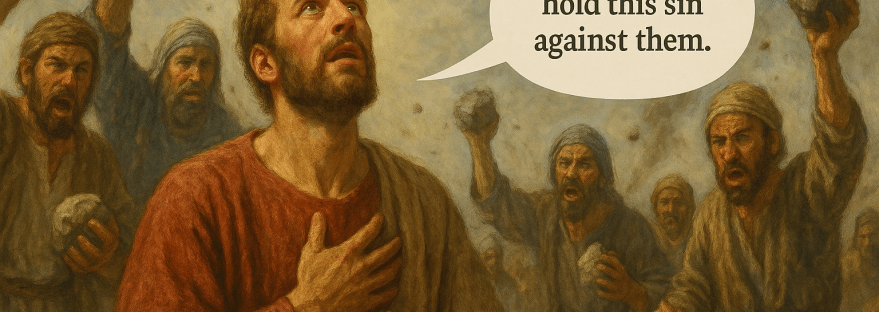
Stephen exemplified this posture even at the moment of death:

“Lord, do not charge them with this sin.”
Acts 7:60 (NKJV)

This was not weakness.
It was Christlikeness.


Trusting God With Justice

One of the greatest obstacles to loving enemies is the fear that injustice will go unanswered. Scripture addresses this directly.

“Beloved, do not avenge yourselves, but rather give place to wrath; for it is written, ‘Vengeance is Mine, I will repay,’ says the Lord.”
Romans 12:19 (NKJV)

Loving enemies does not deny justice.
It entrusts justice to God.

This frees the believer to remain faithful, prayerful, and steady—even when wrongs persist.


A Witness That Endures

Jesus taught that love would distinguish His followers, especially under pressure.

“By this all will know that you are My disciples, if you have love for one another.”
John 13:35 (NKJV)

And Peter instructs believers to maintain a clear conscience even when misunderstood or opposed:

“Having a good conscience, that when they defame you… those who revile your good conduct in Christ may be ashamed.”
1 Peter 3:16 (NKJV)

Love anchored in truth becomes a testimony that endures beyond conflict.


Closing Prayer

Lord Jesus, teach us to love as You loved. Guard our hearts from bitterness and our words from harshness. Help us to speak truth with humility, to pray for those who oppose us, and to trust You with justice. Keep our love alive, our faith steady, and our witness faithful until the end.
Amen.

Kingdom Discipleship, Prayer

Guarding the Heart Through Prayer and Perseverance

From the series: Will He Find Faith? — Prayer in the Last Days

Scripture quotations are from the New King James Version®.
Copyright © 1982 by Thomas Nelson. Used by permission. All rights reserved.

Guarding the heart is not a passive task. Scripture consistently presents it as an active, ongoing responsibility—especially in seasons marked by difficulty, injustice, or prolonged strain.

“Keep your heart with all diligence, for out of it spring the issues of life.”
Proverbs 4:23 (NKJV)

The command assumes pressure. A heart that is not intentionally guarded will be shaped by circumstances rather than by truth.


Prayer as the First Line of Defense

Prayer is not merely a response to hardship; it is a means by which the heart remains aligned with God. Without prayer, weariness quietly takes root. With prayer, the heart is kept soft, attentive, and responsive to the Spirit.

Paul exhorts believers:

“Be anxious for nothing, but in everything by prayer and supplication, with thanksgiving, let your requests be made known to God.”
Philippians 4:6 (NKJV)

Prayer redirects anxiety into trust. It keeps discouragement from hardening into bitterness and prevents fatigue from becoming indifference.


Perseverance Requires Watchfulness

Jesus repeatedly connected perseverance with watchfulness and prayer. This was not spoken to unbelievers, but to His own disciples.

“Watch and pray, lest you enter into temptation.”
Matthew 26:41 (NKJV)

The temptation is not always overt sin. Often it is quiet withdrawal—less prayer, less compassion, less expectancy. Watchfulness guards against drifting when answers seem delayed and outcomes remain uncertain.


Gratitude Preserves the Heart

Scripture consistently ties thanksgiving to spiritual stability. Gratitude does not deny hardship; it keeps hardship from defining the heart.

“In everything give thanks; for this is the will of God in Christ Jesus for you.”
1 Thessalonians 5:18 (NKJV)

A thankful heart resists bitterness. It remembers God’s faithfulness even when circumstances remain unresolved.


Endurance Is Formed, Not Improvised

Endurance is not summoned in a moment of crisis; it is formed over time through continued dependence on God. This is why Scripture repeatedly calls believers to perseverance.

“But let us not grow weary while doing good, for in due season we shall reap if we do not lose heart.”
Galatians 6:9 (NKJV)

Losing heart is not inevitable. It is prevented through prayer, watchfulness, and continued trust in God’s promises.


A Quiet but Steady Hope

Guarding the heart does not mean suppressing grief or ignoring reality. It means anchoring the soul in God’s character when circumstances test faith.

“You will keep him in perfect peace, whose mind is stayed on You, because he trusts in You.”
Isaiah 26:3 (NKJV)

Peace here is not the absence of conflict, but the presence of trust.


Closing Prayer

Father, teach us to guard our hearts with diligence. Keep us watchful in prayer, steady in perseverance, and thankful in all things. When weariness threatens our love, renew us by Your Spirit. Help us to endure with faith, humility, and trust in Your promises, until the day we see Christ face to face.
Amen.


Kingdom Discipleship, Prayer

Faithful Unto Death: The Early Church

Faithfulness Was Expected, Not Exceptional

From the series: Will He Find Faith? — Prayer in the Last Days

Scripture quotations are from the New King James Version®.
Copyright © 1982 by Thomas Nelson. Used by permission. All rights reserved.

Before Christianity had legal protection, cultural influence, or political power, it had something far more enduring: unshakable faith rooted in Christ. The believers of the early Church did not ask whether persecution might come. They understood that it would.

Jesus had already prepared them:

“Be faithful until death, and I will give you the crown of life.”
Revelation 2:10 (NKJV)

Faithfulness unto death was not viewed as extreme discipleship.
It was viewed as normal obedience.


The World They Lived In

The early Christians lived in a world that:

  • rejected exclusive truth
  • demanded loyalty to the state and its gods
  • viewed Christianity as subversive
  • punished refusal to compromise

They were not persecuted for being kind, charitable, or moral. They were persecuted because they confessed:

“Jesus is Lord.”

That confession directly challenged every rival authority.


They Were Ordinary Believers

The early Church was not composed of fearless heroes immune to pain. Scripture reminds us that God consistently works through ordinary people.

“For you see your calling, brethren, that not many wise according to the flesh, not many mighty, not many noble, are called.”
1 Corinthians 1:26 (NKJV)

These believers:

  • feared death
  • loved their families
  • struggled with doubt
  • felt pain deeply

Yet they endured—not because they were extraordinary, but because they trusted an extraordinary Savior.


Their Strength Was Rooted in Resurrection Hope

What sustained the early Christians was not defiance—it was hope.

Paul writes:

“If in this life only we have hope in Christ, we are of all men the most pitiable.”
1 Corinthians 15:19 (NKJV)

The early Church believed, without reservation, that death was not defeat.

“For if we believe that Jesus died and rose again, even so God will bring with Him those who sleep in Jesus.”
1 Thessalonians 4:14 (NKJV)

Resurrection was not a doctrine to them—it was their future.


They Refused to Compromise Christ

The pressure placed on early believers was often simple: deny Christ and live.

Jesus had already warned:

“Whoever denies Me before men, him I will also deny before My Father who is in heaven.”
Matthew 10:33 (NKJV)

Faithfulness was not maintained through stubbornness or pride.
It was maintained through reverence for Christ.

“For me, to live is Christ, and to die is gain.”
Philippians 1:21 (NKJV)


They Loved Their Enemies

Perhaps the most radical testimony of the early Church was not how they died—but how they lived.

Jesus commanded:

“Love your enemies… and pray for those who spitefully use you and persecute you.”
Matthew 5:44 (NKJV)

The early believers obeyed this command not because it was easy—but because it preserved their hearts.

Hatred would have destroyed their witness long before persecution did.


Their Faithfulness Advanced the Gospel

The blood of the martyrs did not extinguish the Church. It strengthened it.

Scripture shows this pattern clearly:

“Those who were scattered went everywhere preaching the word.”
Acts 8:4 (NKJV)

Persecution did not silence the gospel.
It carried it farther.


Why Their Example Matters Now

The early Church proves something modern believers must recover:

Faithfulness is possible—even when protection is removed.

They did not endure because circumstances improved.
They endured because Christ was worthy.

Jesus promised:

“He who overcomes shall not be hurt by the second death.”
Revelation 2:11 (NKJV)

That promise sustained them—and it remains true now.


A Call to Present-Day Believers

The early Church is not given to us as a museum piece.
It is given as instruction.

“Now all these things happened to them as examples, and they were written for our admonition.”
1 Corinthians 10:11 (NKJV)

Their faithfulness reminds us:

  • endurance is possible
  • love can remain warm
  • prayer sustains courage
  • resurrection makes suffering temporary

Closing Prayer

Faithful God, strengthen us by the witness of those who have gone before us. Teach us to value Christ above life itself, to endure without compromise, and to love without fear. Prepare our hearts to stand firm in whatever lies ahead, trusting not in protection, but in Your promises. Make us faithful unto death, that we may receive the crown of life.
Amen.

Kingdom Discipleship, Prayer

When Love Grows Cold

A Warning From Jesus, Not a Metaphor

From the series: Will He Find Faith? — Prayer in the Last Days

Scripture quotations are from the New King James Version®.
Copyright © 1982 by Thomas Nelson. Used by permission. All rights reserved.

Jesus did not speak vaguely when He warned of the last days. He named specific pressures, specific dangers, and a specific spiritual consequence that would quietly emerge—not all at once, but gradually.

“And because lawlessness will abound, the love of many will grow cold.”
Matthew 24:12 (NKJV)

This warning is not directed at the openly wicked. It is directed toward “the many”—those living through sustained lawlessness, injustice, deception, and delay. Love growing cold is not always loud. Often, it is subtle.


How Love Grows Cold

Jesus links cold love directly to lawlessness. This does not refer only to immorality or violence. It includes the erosion of truth, the absence of accountability, and the repeated experience of injustice without resolution.

Over time, this produces spiritual fatigue, emotional numbness, withdrawal rather than compassion, and cynicism disguised as wisdom. The heart does not harden overnight. It cools.

Scripture warns that delayed justice weighs heavily on the soul:

“Hope deferred makes the heart sick.”
Proverbs 13:12 (NKJV)

When lawlessness appears unchecked and righteousness unrewarded, the temptation is not always rebellion—it is discouragement.


Offense Is the Gateway

Just before Jesus speaks of love growing cold, He gives another warning:

“And then many will be offended, will betray one another, and will hate one another.”
Matthew 24:10 (NKJV)

Offense is not merely emotional irritation. In Scripture, it is a stumbling block—a condition of the heart that causes a believer to trip, withdraw, or turn inward.

Offense often sounds like

  • “Nothing changes.”
  • “Why bother anymore?”
  • “I’m tired of caring.”

This is not always rebellion. Often, it is weariness without renewal.


Cold Love Is Not the Same as Hatred

It is important to understand what Jesus is—and is not—saying. Cold love does not always express itself as anger. More often, it expresses itself as detachment where prayer becomes sporadic, compassion becomes selective, truth is held without tenderness, and injustice is observed without intercession.

This is why Jesus emphasizes endurance:

“But he who endures to the end shall be saved.”
Matthew 24:13 (NKJV)

Endurance is not passive survival. It is active faithfulness under prolonged strain.


The Danger of Growing Discouraged in Doing Good

Paul addresses this exact temptation:

“And let us not grow weary while doing good, for in due season we shall reap if we do not lose heart.”
Galatians 6:9 (NKJV)

Notice the condition: if we do not lose heart.

Losing heart often precedes losing love. The believer who continues to see evil prosper, truth mocked, and justice delayed may begin to protect themselves emotionally—not realizing that self-protection can quietly choke love.


Jesus Anticipated This Pressure

Jesus did not warn His disciples so they would fear—but so they would be prepared.

“These things I have spoken to you, that you should not be made to stumble.”
John 16:1 (NKJV)

Cold love is not inevitable. It is preventable. But prevention requires watchfulness, prayer, and intentional guarding of the heart.


Guarding the Heart Is a Command

Scripture does not treat the heart as passive.

“Keep your heart with all diligence, for out of it spring the issues of life.”
Proverbs 4:23 (NKJV)

When lawlessness increases, the believer must become more intentional, not less.

Cold love does not mean truth is abandoned—but it often means mercy is withheld, prayer is reduced, and hope is restrained.


The Role of Prayer in Preserving Love

Paul gives a quiet but powerful safeguard:

“Be anxious for nothing, but in everything by prayer and supplication, with thanksgiving, let your requests be made known to God.”
Philippians 4:6 (NKJV)

Prayer does not excuse evil.
Prayer prevents the believer from becoming hardened by it.

Jesus Himself commands:

“Watch and pray, lest you enter into temptation.”
Matthew 26:41 (NKJV)

One of the greatest temptations in the last days is not immorality—but lovelessness born of fatigue.


A Call to Discernment, Not Condemnation

This warning is not meant to accuse believers who feel weary. It is meant to wake them gently. Jesus did not say, “The love of many will disappear.” He said it will grow cold—implying it can be rekindled.

This requires honest self-examination, renewed prayer, remembrance of Christ’s endurance, and reorientation toward eternal hope.


Closing Prayer

Lord, search our hearts. Where weariness has cooled our love, renew us. Guard us from offense, bitterness, and withdrawal. Teach us to endure without growing hard, to speak truth without losing mercy, and to remain faithful in love as lawlessness increases. Keep our hearts alive in You, and strengthen us to endure until the end.
Amen.

Kingdom Discipleship, Prayer

Christ the Pattern: Suffering and Glory

From the series: Will He Find Faith? — Prayer in the Last Days

Scripture quotations are from the New King James Version®.
Copyright © 1982 by Thomas Nelson. Used by permission. All rights reserved.

Christ Went First

Christian endurance is not built on theory, optimism, or resilience of personality. It is built on a Person—Jesus Christ. Scripture never calls believers to endure suffering blindly. It calls us to endure by looking to Him.

“Looking unto Jesus, the author and finisher of our faith, who for the joy that was set before Him endured the cross, despising the shame, and has sat down at the right hand of the throne of God.”
Hebrews 12:2 (NKJV)

Jesus did not endure because suffering was good. He endured because glory was certain. This is the pattern for every believer.


Suffering Before Glory Is God’s Order

One of the great errors of modern Christianity is the expectation of glory without suffering. Scripture teaches the opposite.

After His resurrection, Jesus said plainly:

“Ought not the Christ to have suffered these things and to enter into His glory?”
Luke 24:26 (NKJV)

The word ought matters. Suffering was not accidental—it was necessary, and Peter later applies this same order to believers:

“But may the God of all grace… after you have suffered a while, perfect, establish, strengthen, and settle you.”
1 Peter 5:10 (NKJV)

Not instead of suffering. After suffering.


The Cross Was Shameful—And Public

Jesus’ suffering was not private, dignified, or quiet. It was humiliating, unjust, and visible.

“He humbled Himself and became obedient to the point of death, even the death of the cross.”
Philippians 2:8 (NKJV)

The cross represented rejection by religious leaders, abandonment by the crowds, misunderstanding by His own disciples.

Yet Scripture says:

“For the joy that was set before Him He endured the cross.”
Hebrews 12:2 (NKJV)

The joy was not the suffering.
The joy was what came after.


God Vindicated Christ After Obedience

The cross was not the end of the story.

“Therefore God also has highly exalted Him and given Him the name which is above every name.”
Philippians 2:9 (NKJV)

God did not spare His Son suffering—but He vindicated Him afterward. This vindication is the believer’s hope.

Paul states it clearly:

“If indeed we suffer with Him, that we may also be glorified together.”
Romans 8:17 (NKJV)

Suffering with Christ leads to glory with Christ.


Why This Pattern Matters for Endurance

When believers suffer without understanding Christ’s pattern they assume God has abandoned them, they interpret pain as failure, and they grow discouraged or offended. But when suffering is understood through Christ faith deepens, hope remains alive, and endurance becomes meaningful.

Jesus warned His disciples ahead of time:

“These things I have spoken to you, that you should not be made to stumble.”
John 16:1 (NKJV)

Truth prevents stumbling.


Christ Suffers With His People

Christian suffering is never solitary.

Jesus told Saul of Tarsus:

“Saul, Saul, why are you persecuting Me?”
Acts 9:4 (NKJV)

The Church suffers—but Christ identifies so closely with His people that He says He is being persecuted.

This is why Paul later writes:

“That I may know Him and the power of His resurrection, and the fellowship of His sufferings.”
Philippians 3:10 (NKJV)

Suffering is not merely endured.
It is shared.


Glory Is Not Immediate—but It Is Certain

Scripture never promises immediate relief. It promises certain resurrection.

“For I consider that the sufferings of this present time are not worthy to be compared with the glory which shall be revealed in us.”
Romans 8:18 (NKJV)

Endurance depends on perspective.

“We do not look at the things which are seen, but at the things which are not seen.”
2 Corinthians 4:18 (NKJV)

The believer endures not because suffering is small—but because glory is greater.


Christ’s Pattern Defines Our Hope

Jesus did not avoid suffering. He did not retaliate. He did not compromise.

“Who, when He was reviled, did not revile in return… but committed Himself to Him who judges righteously.”
1 Peter 2:23 (NKJV)

This is the posture believers are called to adopt—especially in hostile times.

Not passivity. Not bitterness.
Trust in God’s final judgment and promised glory.


Closing Prayer

Lord Jesus, keep our eyes fixed on You. When suffering comes, remind us that You went before us. Guard us from discouragement and offense. Teach us to endure as You endured—trusting the Father, loving faithfully, and hoping confidently in the glory to come. Strengthen us to follow in Your steps until the day we see You face to face.
Amen.


Kingdom Discipleship, Prayer

Why Christians Suffer: Suffering Is Not an Accident

From the series: Will He Find Faith? — Prayer in the Last Days

Scripture quotations are from the New King James Version®.
Copyright © 1982 by Thomas Nelson. Used by permission. All rights reserved.

One of the most damaging misconceptions in the modern Church is the belief that suffering is a sign something has gone wrong. Scripture teaches the opposite. For the believer, suffering is not an interruption to the Christian life—it is woven into it.

The apostle Paul speaks plainly:

“For to you it has been granted on behalf of Christ, not only to believe in Him, but also to suffer for His sake.”
— Philippians 1:29 (NKJV)

Notice the language: granted. Suffering is not merely permitted—it is included in the calling. This truth must be recovered, or believers will continue to interpret hardship as abandonment rather than purpose.

Christ Is the Pattern, Not the Exception

Christian suffering begins and ends with Christ Himself. Jesus never promised His followers exemption from suffering; He promised participation.

“If anyone desires to come after Me, let him deny himself, and take up his cross, and follow Me.”
— Matthew 16:24 (NKJV)

The cross is not a metaphor for inconvenience. It is an instrument of death. Peter explains this unmistakably:

“For to this you were called, because Christ also suffered for us, leaving us an example, that you should follow His steps.”
— 1 Peter 2:21 (NKJV)

Christ’s suffering was not redemptive for us alone; it was instructional for us. If the sinless Son of God suffered in obedience, His followers should not expect a path free of pain. The World Is Hostile to Christ—and Therefore to His People. Scripture never portrays the world as neutral toward Christ. It is fallen, resistant, and hostile to truth.

Jesus tells His disciples:

“If the world hates you, you know that it hated Me before it hated you.”
— John 15:18 (NKJV)

Christian suffering is not random. It is relational. The hatred directed at believers is ultimately aimed at Christ Himself.

“Yes, and all who desire to live godly in Christ Jesus will suffer persecution.”
— 2 Timothy 3:12 (NKJV)

This is not conditional. It is descriptive. Godliness provokes opposition because it exposes darkness.

Suffering Bears Witness

Jesus taught that suffering would become a platform for testimony—not a silencing mechanism.

“But it will turn out for you as an occasion for testimony.”
— Luke 21:13 (NKJV)

When comfort is removed, authenticity is revealed. When faith is tested, Christ is displayed. Paul understood this from prison:

“But I want you to know, brethren, that the things which happened to me have actually turned out for the furtherance of the gospel.”
— Philippians 1:12 (NKJV)

The gospel does not advance in spite of suffering. Often, it advances through it.

Suffering Refines Faith

Scripture repeatedly compares suffering to fire—not to destroy faith, but to purify it.

“That the genuineness of your faith… though it is tested by fire, may be found to praise, honor, and glory at the revelation of Jesus Christ.”
— 1 Peter 1:7 (NKJV)

Faith untested remains theoretical. Faith tested becomes unshakable. This is why James says:

“My brethren, count it all joy when you fall into various trials, knowing that the testing of your faith produces patience.”
— James 1:2–3 (NKJV)

Joy here is not emotional pleasure—it is confidence in God’s purpose.

Suffering Is Temporary; Glory Is Eternal.

Scripture never minimizes pain, but it consistently places it in eternal perspective.

Paul writes:

“For our light affliction, which is but for a moment, is working for us a far more exceeding and eternal weight of glory.”
— 2 Corinthians 4:17 (NKJV)

The suffering of this present age is real—but it is not final.

“If we endure, we shall also reign with Him.”
— 2 Timothy 2:12 (NKJV)

Endurance is not about survival. It is about faithfulness until Christ returns.

Why This Truth Must Be Reclaimed Now

When believers are not taught why they suffer they grow bitter, they become offended, they withdraw, or they compromise.

Jesus warned of this very danger:

“And then many will be offended, will betray one another, and will hate one another.”
— Matthew 24:10 (NKJV)

Offense is not caused by suffering alone—it is caused by misunderstood suffering.

The early Church endured because it expected hardship and understood its purpose. The modern Church must relearn this truth if it is to stand.

A Call to Right Understanding

Christians do not suffer because God is absent. They suffer because God is at work.

“For whom the Lord loves He chastens, and scourges every son whom He receives.”
— Hebrews 12:6 (NKJV)

God uses suffering to conform us to Christ, detach us from the world, strengthen our witness, and prepare us for glory. This is not defeat. This is discipleship.

Closing Prayer

Father, give us understanding hearts. Teach us not to despise suffering nor to misunderstand it. Strengthen our faith, refine our love, and keep us faithful to Christ. May we endure not in our own strength, but through prayer, obedience, and hope in Your promises. In Jesus’ name, Amen.

Kingdom Discipleship, Prayer

Why We Are Still Here: Prayer, Purpose, and Endurance

From the series: Will He Find Faith? — Prayer in the Last Days

Scripture quotations are from the New King James Version®.
Copyright © 1982 by Thomas Nelson. Used by permission. All rights reserved.

There is a question Jesus asked that should sober every believer:

“Nevertheless, when the Son of Man comes, will He really find faith on the earth?”
Luke 18:8 (NKJV)

This question was not asked in a vacuum. It came at the end of a parable about persistent prayer. Jesus was not questioning His ability to save. He was questioning whether faith sustained by prayer would still remain when pressure, lawlessness, and persecution increased.

Scripture never presents the Christian life as a pursuit of comfort. It presents it as a calling to witness, and often, a calling to suffer.

“For to you it has been granted on behalf of Christ, not only to believe in Him, but also to suffer for His sake.”
Philippians 1:29 (NKJV)

The believer is not left on earth because God is indifferent. We are here because there is still work to be done—and prayer is how that work is sustained.


Prayer Comes First—Because It Changes Us First

Prayer does not begin by changing the world. Prayer begins by changing the heart of the one who prays. This is why Jesus commands:

“Watch therefore, and pray always that you may be counted worthy to escape all these things that will come to pass, and to stand before the Son of Man.”
Luke 21:36 (NKJV)

Prayer is not escapism. Prayer is how the believer stands when escape is not offered. Without prayer fear grows, bitterness takes root, love cools, and faith weakens’. With prayer the heart is guarded, love is preserved, discernment remains sharp, and endurance becomes possible. This is not theory. This is survival.


Prayer and the Armor of God

When the apostle Paul calls believers to put on the full armor of God, he does something deliberate. After naming every piece of armor, he concludes with this:

“Praying always with all prayer and supplication in the Spirit, being watchful to this end with all perseverance and supplication for all the saints.”
Ephesians 6:18 (NKJV)

Prayer is not listed as another piece of armor because prayer is the posture in which the armor is worn. An unpraying believer may know the truth—but will fight in the flesh. A praying believer stands in Christ.


Elijah: A Man Like Us—Who Prayed

Scripture removes every excuse for prayerlessness.

“Elijah was a man with a nature like ours, and he prayed earnestly…”
James 5:17 (NKJV)

Elijah lived in national apostasy, corrupt leadership, widespread idolatry, He was discouraged. He was afraid. He was weary. And yet—he prayed, and God moved. Not because Elijah was extraordinary, but because God is faithful. The same God hears now.


Why This Matters Now

Jesus warned that in the last days:

“Because lawlessness will abound, the love of many will grow cold.”
Matthew 24:12 (NKJV)

Cold love does not begin with hatred. It begins with prayerlessness. When the Church stops praying faith erodes, love cools, and endurance fails. But Jesus gives a promise to those who pray:

“Men always ought to pray and not lose heart.”
Luke 18:1 (NKJV)

Prayer is how the believer does not lose heart.


A Call to the Church

We are not called to predict dates. We are not called to preserve comfort. We are not called to win cultural power. We are called to remain faithful, endure in love, pray without ceasing, and bear witness to Christ.

“Here is the patience of the saints; here are those who keep the commandments of God and the faith of Jesus.”
Revelation 14:12 (NKJV)

This series begins here—because without prayer, none of what follows can stand.

Closing Prayer

Father in heaven,

You have not left us on this earth by accident, nor have You forgotten Your people. You have called us according to Your purpose, and You have appointed us for this hour. Teach us to understand why we are here.

Lord Jesus, You asked whether You would find faith on the earth when You return. Keep us from a faith that withers under pressure or grows cold in the face of lawlessness. Grant us a faith that endures—rooted in prayer, sustained by truth, and anchored in You.

Search our hearts, O God. Where fear has crept in, replace it with trust. Where bitterness has taken root, restore love. Where weariness has set in, renew our strength. Guard us from prayerlessness, for we know that without abiding in You we can do nothing.

Teach us to watch and to pray. Not so that we may escape suffering, but that we may stand, faithful, sober, and unmoved. Make us a people who do not lose heart, who do not compromise truth, and who do not grow silent when witness is required.

Strengthen Your Church, Lord. Unite us in humility, perseverance, and intercession. Teach us to pray not only for ourselves, but for all the saints, and even for those who oppose us—that they too may come to the full knowledge of You.

Until the day You return, keep us faithful to the end. May You find us watching, praying, loving, and enduring—clothed in Your righteousness and trusting in Your promises.

We ask this in the name of Jesus Christ, our Lord and our hope. Amen.

Kingdom Discipleship, The Whole Counsel of God

The Whole Counsel of God

From the Series: The Gospel According to the Whole Counsel of God

“For I have not shunned to declare to you the whole counsel of God.”
—Acts 20:27 (NKJV)

The story of Scripture is one unified testimony pointing to Jesus Christ. From Genesis to Revelation, God reveals His plan of redemption through promises, prophecies, covenants, and fulfillment in His Son. When Paul stood before the Ephesian elders, he could say with confidence that he had declared the whole counsel of God. Nothing was held back, nothing was hidden, and nothing was reserved for a select group.

Christ Himself confirmed this unity when He opened the Scriptures to His disciples after His resurrection. “Beginning at Moses and all the Prophets, He expounded to them in all the Scriptures the things concerning Himself” (Luke 24:27). Again He said, “These are the words which I spoke to you… that all things must be fulfilled which were written in the Law of Moses and the Prophets and the Psalms concerning Me” (Luke 24:44).

The Word of God reveals the Son of God, and the Spirit of God illuminates these truths to the people of God. This is the whole counsel—comprehensive, Christ-centered, Spirit-illumined.

Not Partial, Not Hidden

Man-made systems often emphasize certain passages while neglecting others, creating a narrow lens instead of the full picture. But the Word of God is not fragmented. It is a seamless testimony of God’s character, will, and purpose. To receive the whole counsel means to allow Scripture to interpret Scripture, holding every truth in balance under the light of Christ.

The Witness of the Early Church

The Ante-Nicene believers treasured the entirety of God’s Word. They did not have elaborate creeds or rigid systems in the earliest days; they had the Scriptures, the apostolic teaching, and the Spirit’s illumination. Their lives were shaped by the whole message of God’s Word: holiness, love, perseverance, and hope in the return of Christ.

They resisted efforts to reduce the faith to human philosophy. They rejected attempts to blend the gospel with the traditions of men. Their testimony was clear: cling to Christ, cling to the Scriptures, and walk by the Spirit.

Our Call Today

We too are called to embrace the whole counsel of God. Not a partial gospel, not a philosophy, not a system of men—but the full revelation of the Father in the Son, made alive by the Spirit. This is what sustains us in trials, guides us in truth, and equips us for every good work.

The whole counsel of God is not complicated. It is rich, but it is simple: Christ revealed, Christ proclaimed, Christ obeyed.


Reflection Questions

  1. What does it mean to you personally to embrace the “whole counsel of God” rather than a partial view of Scripture?
  2. How do Luke 24:27 and Acts 20:27 show us that all of Scripture is centered on Christ?
  3. What lessons can we take from the Ante-Nicene Church’s reliance on the whole Word of God without human systems?

Closing Prayer

Father, thank You for giving us the whole counsel of Your Word. Thank You that all of Scripture points to Christ and that the Spirit guides us into truth. Keep me from clinging to partial truths or man-made systems. Teach me to live by every word that proceeds from Your mouth. Help me to walk in the same simplicity and devotion as the early believers, holding fast to Christ until the end. Amen.

Kingdom Discipleship, The Whole Counsel of God

Man-Made Systems vs. Apostolic Simplicity

From the Series: The Gospel According to the Whole Counsel of God

“Beware lest anyone cheat you through philosophy and empty deceit, according to the tradition of men, according to the basic principles of the world, and not according to Christ.”
—Colossians 2:8 (NKJV)

From the beginning, the gospel was a simple and powerful message: Christ died for our sins, was buried, and rose again the third day (1 Corinthians 15:3–4). This was the truth preached by the apostles, believed by the early Church, and confirmed by the Spirit. Yet, as time passed, men began to surround this message with philosophies, traditions, and systems that complicated what God had made plain.

The apostles were clear: anything that shifts the focus away from Christ alone is a danger to the soul. Paul’s warning in Colossians 2:8 echoes through history, reminding us that clever frameworks, whether ancient or modern, cannot replace the living Word of God.

Apostolic Simplicity

The gospel is not bound in riddles. It is not hidden in secret decrees or reserved for the intellectual. Jesus said that unless we become like little children, we will by no means enter the kingdom of heaven (Matthew 18:3). The message is clear enough for the humble and dependent heart.

The apostles lived this simplicity. They prayed, they taught the Scriptures, they broke bread together, and they proclaimed Christ crucified and risen. Their power was not in systems of thought but in the Spirit and truth.

The Witness of the Early Church

The Ante-Nicene believers followed this same path. They had no elaborate frameworks to explain away God’s promises or to restrict His call. They lived by faith, walked in holiness, and loved one another with sincerity. Their writings urge us again and again to hold fast to “the rule of faith”—Christ Himself as revealed in Scripture.

Irenaeus warned of those who twisted Scripture with elaborate ideas and philosophies, while the true Church held fast to the apostolic teaching. Tertullian mocked the philosophers of Rome who prided themselves on speculation while missing the truth plainly revealed in Christ.

Their strength lay in simplicity. They knew the gospel, they clung to the Scriptures, and they trusted the Spirit to guide them.

Returning to the Foundation

The Church in every age must resist the temptation to replace God’s revelation with man’s reasoning. Systems and philosophies may appear wise, but they cannot save. The simplicity of Christ is enough.

As Paul wrote to the Corinthians, “I determined not to know anything among you except Jesus Christ and Him crucified” (1 Corinthians 2:2). That simplicity remains the foundation for true faith.


Reflection Questions

  1. How does Colossians 2:8 challenge the pull of man-made philosophies and systems today?
  2. What does it mean to return to “apostolic simplicity” in your faith and practice?
  3. How can the example of the Ante-Nicene Church encourage you to trust more fully in Scripture and the Spirit?

Closing Prayer

Lord, guard my heart from being led astray by human systems and philosophies. Keep me anchored in the simplicity of Christ and the truth of Your Word. Thank You for the witness of the early believers who clung to apostolic teaching and endured with faith. Help me to walk in that same simplicity, trusting in Christ alone. Amen.