Faith Worthy of the Kingdom, Kingdom Discipleship

Anchored in Hope: How Christ’s Return Shapes Our Lives

From the Series: Ordinary Saints: Lessons from the Ante-Nicene Church

Scripture quotations are from the New King James Version®.
Copyright © 1982 by Thomas Nelson. Used by permission. All rights reserved.

From the moment Jesus ascended into heaven, the early Church carried one unwavering expectation: He is coming back.

This was not a distant theological concept reserved for discussion or debate. It was a living reality that shaped how believers endured suffering, set their priorities, and walked through daily life. Their attention was not ultimately fixed on earthly kingdoms, cultural acceptance, or personal comfort. Their hearts were anchored in the certainty that their King would return.

Scripture records the promise spoken at His ascension:

“Men of Galilee, why do you stand gazing up into heaven? This same Jesus… will so come in like manner as you saw Him go into heaven.” (Acts 1:11)

The early Christians lived in light of that promise. What is striking is how they lived in expectation. They did not become consumed with speculation or endless arguments about dates or prophetic systems. Instead, they lived with readiness.

Jesus had warned them:

“Therefore, you also be ready, for the Son of Man is coming at an hour you do not expect.” (Matthew 24:44)

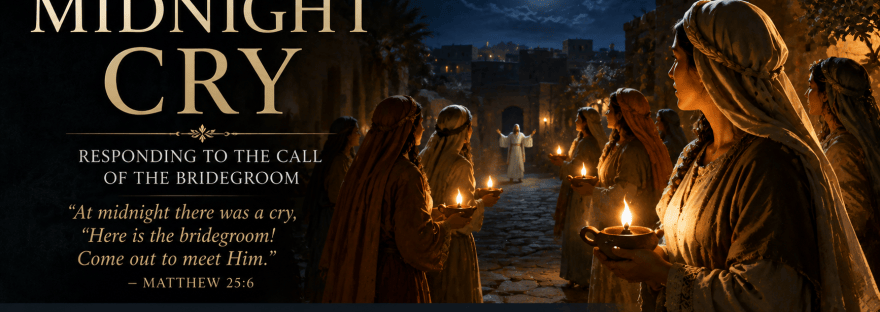
So they kept their lamps burning, sought purity of heart, and labored faithfully in what God gave them. Expectation did not produce passivity—it produced perseverance. They were not idle watchers, but active servants, longing to be found faithful at the King’s return.

At this point, you may recognize a tension: “Sometimes I either become distracted by the world or overwhelmed trying to understand prophecy.” This struggle is understandable. The early Church reminds us that prophecy’s purpose is faithful preparation, not endless speculation. Christ called His people to readiness, not obsession.

Their hope in His coming also shaped their pursuit of holiness.

“And everyone who has this hope in Him purifies himself, just as He is pure.” (1 John 3:3)

They understood that anticipation of the King should transform the servant’s life. Hope was not meant to paralyze them with fear, but to purify them in obedience. This is why they endured persecution with joy, forgave those who harmed them, and refused to compromise with the systems around them. They longed to be found faithful when Christ appeared.

This invites a personal question: What is my hope producing in me? Is it leading me toward deeper holiness, greater surrender, and stronger trust in God? Or has it become disconnected from how I actually live? One way to connect hope with daily living is to take practical steps: dedicate time each day for prayer and reflection on Christ’s return, choose acts of service for others as a way to express kingdom values, and seek out opportunities to encourage fellow believers with this hope. Setting aside intentional moments for gratitude, reading passages about Christ’s coming, and asking God to grow faithfulness in specific areas can all build a deeper expectation into ordinary routines.

This expectation comes alive in simple, real-life moments: a hug and prayer with your family before you head out the door, sending an encouraging text to a coworker who is discouraged, or choosing forgiveness when a friend disappoints you. It can shape how you listen to someone who needs comfort, or how you pause at dinner to thank God for His promises. Expectation can also inspire decisions like choosing integrity at work, offering to help a neighbor, or taking time to share words of hope with someone facing hardship. In these everyday ways, the hope of Christ’s return transforms ordinary moments into acts of faithfulness.

The early believers focused not on the world’s destruction, but on a greater hope of redemption. While they accepted that judgment would come, their eyes looked to the return of Christ, which meant justice for the oppressed, resurrection for the righteous, restoration of all things, and reward for faithfulness.

Because of this, they did not retreat from the world. They witnessed it. They did not panic; they proclaimed the gospel. They did not cling tightly to temporary things; they lived with their hearts fixed on eternity.

You may naturally wonder, “How do I live with expectation without becoming fearful or consumed?” It is common to feel anxiety or apprehension about the unknown or to worry over the challenges ahead. Yet God’s intention for us is not fear, but hope. Scripture repeatedly reassures us: “Do not be afraid.” When anxious thoughts arise, we can turn to God in prayer, asking Him to replace fear with His peace and courage. The early Church’s answer is straightforward: live faithfully today. Readiness is achieved not through fear-driven urgency, but in daily obedience to Christ.

There is also deep assurance in this hope.

The certainty of Christ’s return does not rest on our understanding of every prophetic detail. It rests on God’s faithfulness. The same Jesus who ascended will return. His promises cannot fail. And believers are not meant to carry this hope alone.

The early Church strengthened each other with His promise. They reminded each other to endure, stay steadfast, and keep their eyes on the coming Kingdom. Similarly, today’s Body of Christ should encourage faithfulness and hope. This encouragement can take many forms, such as gathering in prayer groups to intercede for one another, sharing testimonies of God’s faithfulness to inspire hope, sending notes or messages of encouragement, or meeting together to discuss Scripture and pray for daily endurance. Offering a listening ear, celebrating answered prayers as a community, or simply reminding each other of Christ’s promises all help foster a supportive, hope-filled environment where every believer is built up in expectation. As a church, consider establishing a monthly hope-focused gathering, where the congregation comes together for worship, encouragement, testimony sharing, and discussion about living in readiness for Christ’s return. Ministries or small groups might collaborate on community service projects or prayer initiatives, intentionally connecting acts of service to the hope of the coming Kingdom. By initiating regular, intentional events centered on hope and expectation, the whole congregation can grow together in faithfulness and perseverance.

Expectation was never meant to isolate believers from the world; it was meant to steady them within it.

What the early Church teaches us is clear. Christ’s return is certain; our readiness should be continual. Hope in His coming should lead us toward holiness, not fear. Prophecy was given to prepare the believer, not to feed endless speculation.

Remember the central takeaway: Our hope and readiness for Christ’s return should shape our lives, moving us toward continual faithfulness, holiness, and trust. This is not just anticipation, but a call to live today as citizens of His coming Kingdom. So live now as citizens of His Kingdom with faithful hands, steadfast hearts, and eyes fixed on the returning Christ.

Let us pray:

Lord Jesus, we thank You for the promise of Your return. Fill our hearts with hope and keep us ready every day, walking in faithfulness and love. Grant us courage to persevere, wisdom to live for Your Kingdom, and joy as we look to Your coming. Shape our lives by Your hope, and help us to encourage one another as we await Your return. Amen.

Faith Worthy of the Kingdom, Kingdom Discipleship

A Kingdom That Cannot Be Shaken

From the Series: Ordinary Saints: Lessons from the Ante-Nicene Church

Scripture quotations are from the New King James Version®.
Copyright © 1982 by Thomas Nelson. Used by permission. All rights reserved.

From the moment Jesus ascended into heaven, the early Church lived with a steady and unwavering expectation: He is coming back. This was not merely a theological position tucked away in doctrine; rather, it shaped how they lived, how they suffered, and how they viewed the world around them. Their eyes were not fixed on political power, cultural influence, or earthly security. Instead, their hearts were anchored in the certainty that their King would return.

Scripture records the promise spoken at His ascension:

“Men of Galilee, why do you stand gazing up into heaven? This same Jesus… will so come in like manner as you saw Him go into heaven.” (Acts 1:11)

The early believers did not treat this promise casually, but instead, they lived in light of it.

What is striking is that they lived in readiness, not speculation. Rather than being consumed with predicting dates or endlessly arguing about timelines, their focus was not on satisfying curiosity but on remaining faithful. Because they believed Christ could return at any moment, they sought to live with clean hearts, steady hands, and burning lamps.

Jesus Himself said:

“Therefore, you also be ready, for the Son of Man is coming at an hour you do not expect.” (Matthew 24:44)

This readiness was not passive. Instead of withdrawing from the world or sitting idle waiting for escape, they labored. They served. They preached the gospel. The expectation of Christ’s return motivated them toward faithfulness, not inactivity.

You may pause here and recognize a tension. “I think about His return, but sometimes it either feels distant or overwhelming.” That struggle is understandable, and the early Church did not carry this hope as fear-driven speculation. Rather, they carried it as steady anticipation. The return of Christ was not meant to produce panic, but perseverance. When fear or doubt crept in, they remembered the words spoken by Jesus: “Let not your heart be troubled; you believe in God, believe also in Me.” (John 14:1) Even in their hardest moments, believers encouraged one another to hold fast to hope, trusting that God is faithful to complete what He has promised. If you find your heart wavering, remember the countless times in Scripture God gently urges His people, “Do not fear, for I am with you.” You are not alone in your struggle. God’s presence and promises are sure, even when your feelings are not.

Their hope in His coming also shaped their pursuit of holiness.

“And everyone who has this hope in Him purifies himself, just as He is pure.” (1 John 3:3)

Anticipation of the King transformed their lives. They endured persecution with joy, forgave rather than retaliated, and stood firm against compromise, desiring to be found faithful when Christ returned.

This raises an important question: What is my hope producing in me? Is it leading me toward holiness, deeper obedience, and greater trust in Christ? Or has it become something distant and disconnected from daily life? Genuine hope in Christ’s return shapes the way we live each day. It may look like choosing to forgive when wronged, resisting temptation when no one is watching, seeking reconciliation, being generous with your resources, or taking time to serve someone in need. Every act of obedience, large or small, flows from the anticipation that our King could return at any moment, and we desire to be found living faithfully.

The early Church saw prophecy not as entertainment, but as preparation. And even though they understood that judgment would come, their focus was not on the fear of destruction. Their attention was fixed on the hope of redemption. To them, the return of Christ meant justice for the oppressed, resurrection for the righteous, reward for the faithful, and the restoration of all things under the reign of the King. They witnessed to the world, proclaimed hope, and lived for what was eternal.

You may quietly wonder, “How do I live faithfully in a world that feels increasingly unstable?” The answer the early Church gives is simple, though not easy: anchor yourself in the Kingdom that cannot be shaken. This anchoring happens in our ordinary days, through intentional practices. Pray daily, speaking honestly with God and listening for His guidance. Spend time in Scripture, allowing God’s truth to shape your mind and encourage your spirit. Let worship, whether in song, gratitude, or quiet moments, lift your heart above your circumstances. Serve others in practical ways, reflecting Christ’s love to those around you. Seek out a Christian community to encourage and be encouraged. In these habits, our hearts remain steady, and we learn to live faithfully even when the world feels unsteady.

Earthly systems rise and fall. Cultures shift. Nations tremble. But the Kingdom of God remains unmoved. And those who belong to Christ belong to that Kingdom. There is deep assurance in this. The certainty of Christ’s return does not rest on human events aligning perfectly or on our ability to understand every detail. It rests on the faithfulness of God Himself. The same Jesus who ascended will return. His promises do not fail, and we are not called to wait alone.

The early believers encouraged one another with this hope. They strengthened one another in suffering, reminded one another of what was coming, and lived together as citizens of another Kingdom. In the same way, the Body of Christ today is meant to help one another remain watchful, faithful, and steadfast. This happens in practical ways: meeting in small groups, forming prayer partnerships, sharing testimonies of how God is at work, and supporting each other through acts of kindness. When we choose to listen, pray, and walk alongside one another, we create a community where hope is strengthened. Consider reaching out to someone who could use encouragement, joining a study group, or simply sharing what God has done in your life. These practices foster genuine connection and help us carry one another through both joyful and difficult seasons.

This hope is not meant to isolate us from the world. Instead, it is meant to steady us within it.

The main takeaway from the early Church is unmistakable. Christ’s return anchors our hope. We are to remain always ready, letting this hope lead us into deeper holiness instead of fear. Prophecy is preparation, not speculation. And above all, remember this core truth: live now as a citizen of that unshakable Kingdom with faithful hands, a steadfast heart, and eyes fixed on the returning King.

Faith Worthy of the Kingdom, Kingdom Discipleship

The Church That Turned the World Upside Down

From the Series: Ordinary Saints: Lessons from the Ante-Nicene Church

Scripture quotations are from the New King James Version®.
Copyright © 1982 by Thomas Nelson. Used by permission. All rights reserved.

When the gospel began to spread across the Roman Empire, it did not come with force, influence, or institutional support. There were no platforms to amplify it, no systems to sustain it, and no recognition to legitimize it. It came through ordinary people, fishermen, slaves, mothers, merchants, and martyrs whose lives were so transformed that the world could not ignore what it was witnessing.

Scripture records the charge made against them: “These who have turned the world upside down have come here too.” (Acts 17:6). This shift, first seen in individual hearts before society at large, marked a new way forward. The Kingdom of God was not advancing through power, but through people who refused to live according to the values of the world. And nowhere was this more evident than in the early Church.

They did not wait for permission to speak. They did not rely on structures to reach others. They understood that they themselves were vessels of the gospel. Wherever they went, they carried Christ with them, not only in what they said, but in how they lived. Their generosity, their forgiveness, and their love bore witness to a reality beyond human reasoning.

Some may wonder about their own platform or influence, questioning their ability to make an impact. The early believers had neither. Their effectiveness was not rooted in visibility; it was rooted in obedience. What God did through them was not dependent on their position, but on their willingness to live faithfully where they were. Obedience today can look just as ordinary and powerful: offering a listening ear to a coworker in distress, extending forgiveness to someone at home, serving quietly in the community, or reaching out with encouragement to a neighbor. Even small acts of choosing honesty at work, showing patience in family conflicts, or meeting a need you notice become ways to reflect Christ’s love and presence. Each step of faithfulness in daily life is an opportunity to make an impact, whether or not it feels significant in the moment.

Building on their boldness, another defining mark of the early Church was their love. Their love was neither measured nor reserved. It reached the abandoned, the sick, the stranger, and even the enemy. When others fled from danger, they remained. When persecuted, they forgave. When mistreated, they prayed. Their love did not align with the world’s expectations, and that is precisely what made it powerful.

This challenge may draw some in and unsettle them, leading to reflection on their own love. Such reflection is not meant to condemn, but to reveal. The love that marked the early Church is not beyond reach; it is the result of a life transformed by Christ. It is not produced through effort alone, but through surrender to Him. Even when loving in this way feels impossible, Christ Himself provides the strength and grace to love others as He calls us to. We are not left to strive in our own might; He enables and equips us to grow in love, one step at a time.

In addition to their unmatched love, their unwavering conviction set them apart. They did not reshape the gospel message to gain acceptance. They did not soften the truth to avoid rejection. They lived lives that were set apart, even when that separation came at great cost. Some lost their livelihoods, others their possessions, and many, their lives. And yet, they endured with a confidence that did not come from this world.

“You had compassion on me in my chains, and joyfully accepted the plundering of your goods, knowing that you have a better and an enduring possession for yourselves in heaven.” (Hebrews 10:34)

This kind of endurance reveals where their hope was placed. It was not anchored in comfort or security, but in what God had promised.

This issue may prompt you to quietly wrestle with faithfulness in the face of great cost. Such a struggle reveals not weakness, but dependence. A young nurse, for example, working amidst a healthcare crisis, chooses to serve in understaffed wards rather than take a higher-paying, less demanding job elsewhere. Though she faces exhaustion and sometimes criticism for her faith, she continues to care for patients with quiet compassion, trusting that her obedience matters, even when unnoticed. The same God who sustained the early believers is the One who sustains His people now. He does not call us to stand alone, but to trust Him fully.

The early Church also understood that its mission was not simply to gather followers, but to make disciples. They invested in lives. They walked alongside one another. They taught, corrected, encouraged, and endured together. Discipleship was not confined to gatherings; it happened in homes, prison cells, moments of suffering, and daily life. It was personal, intentional, and sacrificial. They were not raising people who admired Christ; they were forming people who would live and die for Him. And through that, the world was changed.

Reflecting on the present through this lens, the contrast becomes clear. It is easy to rely on systems, programs, and visibility. It is easy to believe that influence is measured by reach or recognition. But the early Church reminds us that transformation does not begin with structure; it begins with surrender.

You may reflect on how to live as someone who belongs to another Kingdom. This question moves the message from observation to application. When believers begin to live in alignment with Christ, not partially, but fully, the impact cannot remain hidden.

To take a step this week, consider reaching out in love to someone in need, practicing forgiveness when it is difficult, or offering encouragement to someone who might need it most. Choose one practical way to put these truths into action, trusting that even small acts of faithfulness can have a greater impact than you realize.

As we grapple with these ideas, there is also assurance. We are not called to recreate their circumstances; we are called to walk in the same obedience. The same Spirit who empowered them dwells within every believer. The same truth they proclaimed remains unchanged. What God did through ordinary people then, He can still do now. And this is not something we are meant to carry alone. The Body of Christ is designed to reflect this together. As we encourage and strengthen one another and walk in unity, the witness becomes clearer. The light becomes brighter. The testimony becomes unmistakable.

Consider taking a moment together as a Church, small group, or gathering to reflect on what it means to be unified and encouraging in our own community. You might pause in prayer to ask God to deepen unity among you, or invite open discussion about practical ways to support and strengthen each other. When we intentionally seek God together and share honestly, He meets us and builds a community that bears witness to His love.

What we see in the early Church is not a distant ideal; it is a living example. They relied on presence, not power. They chose obedience over influence and remained transformed rather than conforming. And through ordinary lives surrendered to Christ, the world was turned upside down.

This remains possible today. Not by striving, but by surrender to Christ.

Faith Worthy of the Kingdom, Kingdom Discipleship

From House to House: Reclaiming the Home as the Heart of the Church

From the Series: Ordinary Saints: Lessons from the Ante-Nicene Church

Scripture quotations are from the New King James Version®.
Copyright © 1982 by Thomas Nelson. Used by permission. All rights reserved.

Before there were church buildings or institutions, the Kingdom of God moved quietly and powerfully through homes. The early Church was not sustained by structures. Instead, it thrived through lives surrendered to Christ within households. The home became both a sanctuary and a training ground. It was a place where faith was taught, seen, practiced, and passed on. Scripture gives us this picture:

“So continuing daily with one accord in the temple, and breaking bread from house to house…” (Acts 2:46)

This was daily life. Faith shaped the ordinary. Meals were shared with gladness, prayers lifted together. The Word was spoken in teaching, conversation, correction, and encouragement. What happened at home shaped the Church as it became.

When I consider this, I see that the household was not secondary; it was central. Christian homes were marked by a distinct way of living, intentional and devoted. Fathers led in spiritual care. Mothers nurtured and instructed with wisdom. Children were immersed in the life of faith, watching and learning from devoted lives. Paul’s words reflect this reality:

“Likewise greet the Church that is in their house.” (Romans 16:5)

With this in mind, the Church was not something people attended; it was something they embodied, beginning within their own homes.

You might feel the weight of that truth: “My home doesn’t feel like that. It feels busy, distracted… ordinary.” But this is where the story of the early Church meets our reality. They did not live in ideal conditions, but by daily rhythms we know: meals, responsibilities, relationships. The difference was intention, not perfection. A home becomes a place of Kingdom life when Christ is honored within it, even in small, consistent ways.

Simple daily practices make faith tangible at home: praying together before meals, reading a Bible verse at breakfast, or sharing one way you noticed God at work. Offering encouragement, singing a hymn, or blessing your children before bed are small actions with a meaningful impact. These steps, in the midst of ordinary days, help make Christ central in family life.

Hospitality was another defining mark of these households. This was a way of life, not just an event. Doors were open. Tables were shared. All were welcomed: the stranger, the poor, and the believer. In doing so, families demonstrated the heart of the Kingdom. They met needs beyond what was required.

“Do not forget to entertain strangers, for by so doing some have unwittingly entertained angels.” (Hebrews 13:2)

This kind of hospitality may feel unfamiliar today. You might think, “I don’t have the space, time, or resources for that.” But biblical hospitality is about willingness, not abundance, and it is not about impressing others, but about making room. Even simple acts of welcome are meaningful: inviting a neighbor for coffee, hosting a meal, or helping a single parent. A greeting, a homemade treat, or a listening ear can open the door to a deeper connection. Hospitality is possible for any household, even amid busy lives.

In addition to hospitality, discipleship was not confined to structured settings. It happened in the flow of daily life. As it is written:

“You shall teach them diligently to your children, and shall talk of them when you sit in your house, when you walk by the way, when you lie down, and when you rise up.” (Deuteronomy 6:7)

Faith was integrated into everything. Conversations at the table, prayers before bed, and guidance in decision-making passed on truth and reinforced daily life. Children can participate through simple activities that make faith real: leading a prayer before a meal, choosing a worship song, and sharing daily gratitude. Older children might read a Bible verse or help lead a discussion about faith in daily situations. Age-appropriate practices invite children to weave faith naturally into family life.

Reflecting on this, you may think, “I’ve relied on Church programs to teach what I should be modeling.” That realization is not meant to bring guilt, but clarity. The Church gathers to strengthen and equip, but the home is where faith is continually formed.

Before the Church grew outwardly, it grew inwardly, starting inside everyday homes.

“Every day… in every house, they did not cease teaching and preaching Jesus as the Christ.” (Acts 5:42)

Long before the Church became visible to the world, it was vibrant within homes. Families discipled families. Households became Kingdom outposts. Private beginnings shaped what was seen in public, bringing encouragement and responsibility.

Encouragement comes because Kingdom work does not require platforms or perfect conditions. It begins where we are with the people God places in our lives. Responsibility remains because what happens at home shapes the next generation. None of this is meant to be carried alone. The Body of Christ supports this work. As families walk together in faith and believers encourage one another, impact multiplies. Connecting with other families by joining or forming Church small groups can offer additional encouragement and support. These groups provide a space to share burdens and victories and grow together in faith. Homes connected in Christ become a network of living testimonies, quietly advancing the Kingdom.

So, as we draw these threads together, what do we learn? The home is not separate from ministry; it is the first place of it. Hospitality is not optional; it is an expression of Kingdom life. Faith is best passed on through daily rhythms, not isolated moments, lived in Christ.

The Church did not begin in buildings. It began in homes. And it still flourishes wherever homes are surrendered to Him.

Faith Worthy of the Kingdom, Kingdom Discipleship

From Knowledge to Christlikeness: Teaching the Way of the Kingdom

From the Series: Ordinary Saints: Lessons from the Ante-Nicene Church

Scripture quotations are from the New King James Version®.
Copyright © 1982 by Thomas Nelson. Used by permission. All rights reserved.

The heart of true discipleship is not the transfer of information, but the formation of a life in alignment with the Way of the Kingdom. The aim is not merely to communicate facts, but to cultivate transformation. Discipleship means leading others not only into what Jesus said but also into how He lived, calling them beyond knowledge into obedience and beyond understanding into transformation. This approach moves teaching beyond words alone, extending it into what we say, how we live, and how we love. For example, life-formation often takes place through mentoring, where a mature believer walks alongside someone new in faith, sharing wisdom and encouragement in real-life situations. It also happens in small groups as believers study Scripture, pray, and support one another through everyday challenges. Serving together offers opportunities to practice humility and love, and to learn together what it means to follow Jesus in daily life. These settings help bring discipleship out of the classroom and into daily experience.

Jesus made this clear when He commanded: “Go therefore and make disciples of all the nations… teaching them to observe all things that I have commanded you…” (Matthew 28:19–20). This call draws us beyond sharing knowledge to inviting others into a practicing, living faith, guiding them into a way of life as they learn to follow Christ in their daily decisions. This is at the heart of discipleship.

In pursuit of this kind of discipleship, it’s important to notice how, from the beginning, the early Church understood that this work had to be grounded in Scripture. They did not build discipleship on ideas or philosophies, but on the Word of God itself. They trusted it to be clear, sufficient, and able to shape every area of life.

The early Church rooted their children and disciples in Scripture and the teachings of Christ. They believed the Word was clear, sufficient, and Spirit-breathed, and able to equip all believers for every good work.

“From childhood you have known the Holy Scriptures, which are able to make you wise for salvation through faith which is in Christ Jesus.” (2 Timothy 3:15)

“Let each one be diligent in the reading of Scripture, and do not twist it according to your own desire.” (Didache, ch. 4)

The Word transforms. Following the early Church, Scripture reveals truth, corrects error, and directs the heart toward God. Without it, discipleship loses its foundation.

A reader might pause here and think, “I don’t feel equipped to teach Scripture.” Recognizing this is a natural part of the process. But teaching does not begin with mastery; it begins with submission. As we sit under the authority of the Word and allow it to shape us, we become able to pass on what we are learning. Faithfulness in what we know opens the door to deeper understanding over time. For those just beginning, it can help to start simply. Share a favorite passage that has been meaningful to you, read a short section of Scripture with someone, or lead a brief devotional thought with your group. Even inviting others to reflect on a verse together or discussing how God’s Word applies to daily life are valuable first steps. Taking small, practical actions like these can build confidence as you begin sharing Scripture with others.

So, while a foundation in Scripture is vital, it is not enough on its own. Scripture must also be embodied in life. Discipleship requires not just instruction but also demonstration. Those we disciple observe how truth is lived out, how we respond under pressure, how we forgive, how we show humility, and how we pursue holiness.

“Be an example to the believers in word, in conduct, in love, in spirit, in faith, in purity.” (1 Timothy 4:12)

This can feel weighty. A reader may quietly wonder, “What if my life doesn’t fully reflect what I’m teaching?” That awareness is not meant to discourage; it is meant to lead us into greater dependence on God. Discipleship is not about presenting perfection, but about walking in genuine obedience. Even our repentance, when we turn back to God, becomes part of what we model. Consider the apostle Peter, who denied Jesus three times but, after repenting, was restored and became a foundational leader in the early Church. His story shows that imperfection can be redemptive and that growth often happens through our willingness to acknowledge failure and receive forgiveness. As leaders, being honest about our need for grace can encourage those we disciple to do the same.

Alongside teaching and example, the early Church cultivated spiritual discipline, a further step in holistic discipleship. Practices such as prayer, fasting, Scripture reading, worship, and obedience deeply grounded believers in Christ. These practices do not earn God’s favor, but they shape the heart to seek Him. They guard against a shallow faith that knows truth but does not live it.

“Teach the young to pray always and to fast with gladness, for in these things they learn the nearness of God.” (Hermas, Mandate 12)

You may think, “I struggle to stay consistent in these areas.” That struggle is common, and it reflects the ongoing process of spiritual growth. Spiritual discipline is not about rigid performance; it is about intentional pursuit. Growth often happens quietly, through repeated choices to turn toward God. What matters is not flawless consistency, but a heart that continues to seek Him. For those desiring practical ways to grow in discipline, start simply. Set aside a regular time each day for short prayer and Scripture reading, even just a few minutes. Use a journal to record prayers or insights, helping you track your spiritual journey. Find an accountability partner, a trusted friend or fellow believer, to check in weekly and encourage each other. Choose one spiritual practice to focus on for a season, such as memorizing a verse, fasting once a week, or serving in a small way. Small, sustainable steps make realistic growth in discipline, helping you and those you lead remain rooted in Christ.

As these elements work together, Scripture, example, and discipline, they point us toward a singular aim. Discipleship is not about producing followers of ourselves or building something around our influence. The goal is Christlikeness: to see the life of Christ formed within those we teach. This is the standard that governs everything. To teach the Way of the Kingdom is to point continually back to Him, His words, His example, His sacrifice, and His authority. It is to help others become citizens of His Kingdom, learning to obey Him from the heart.

From this perspective, it becomes clear that this calling is not meant to be carried alone in this work. We strengthen one another, correct one another, and walk alongside one another. Discipleship happens in relationship, within a community shaped by truth and love.

To foster this kind of community, consider forming small discipleship groups where people can study Scripture, pray, and share life together. Peer mentoring is another practical way to encourage growth, as believers support and guide each other through regular check-ins and honest conversations. Creating intentional spaces for connection, such as shared meals or service opportunities, helps deepen relationships and makes it easier for everyone to participate in the journey of discipleship. These steps can help turn the value of community into a lived experience, making sure no one walks this path alone.

This reflection naturally leads to a searching question: are we simply sharing information, or are we forming lives? Because there is a difference. What we learn is both simple and profound: teaching the Kingdom begins with Scripture, is strengthened by a life that reflects it, is deepened through spiritual discipline, and aims for inward transformation into the image of Christ.

“Let every teaching lead to the imitation of Christ.” (Ignatius of Antioch, Letter to the Ephesians)

To teach the Way of the Kingdom is to walk it. Let us each take intentional steps this week to teach the Way of the Kingdom through Scripture, through our example, and through spiritual discipline, inviting others to walk with us as we follow Christ.


Faith Worthy of the Kingdom, Kingdom Discipleship

The Church That Turned the World Upside Down

From the Series: Ordinary Saints: Lessons from the Ante-Nicene Church

Scripture quotations are from the New King James Version®.
Copyright © 1982 by Thomas Nelson. Used by permission. All rights reserved.

When the gospel began to spread across the Roman Empire, it did not arrive with force, influence, or institutional backing. There were no armies, no political leverage, and no platforms to amplify its message. Instead, it moved through ordinary people, fishermen, slaves, mothers, merchants, and martyrs, whose lives were so transformed that the world could not ignore them.

Scripture records the charge made against them: “These who have turned the world upside down have come here too.” (Acts 17:6). This was not an exaggeration. It was recognition. Something was happening that disrupted the very foundations of the world around them. But the transformation did not begin outwardly; it began in the hearts of those who refused to live by the world’s values. The Kingdom of God was not merely being proclaimed; it was being lived.

As I consider the early Church, one of the most striking realities is how it functioned without the structures we often rely on today. They had no buildings to gather in, no systems to organize large-scale movements, and no means to broadcast their message across regions. Yet the gospel spread rapidly and deeply. Why? Because every believer understood that they themselves were carriers of the message. Evangelism was not assigned to a few; it was lived by all. Wherever they went, they spoke of Christ, but not only with words. Their lives bore witness through love, generosity, forgiveness, and truth.

Now, a reader might pause here and think, “I don’t have a platform. I don’t feel equipped to reach others.” But the early Church had none of those things either. Their effectiveness was not rooted in visibility; it was rooted in obedience. The same remains true today.

If you are wondering what this looks like in daily life, consider taking one small step this week. You might invite a neighbor for a cup of coffee and simply listen to their story. You could offer to pray for someone going through a hard time. Perhaps you will share a word of encouragement or bring a meal to someone in need. Even a simple act of kindness or a conversation about hope can open doors. As you look for these opportunities, trust that God can work through your ordinary moments.

Flowing from this, another defining mark of the early believers was their love. Their love was not selective, conditional, or driven by recognition. It was costly, sacrificial, and often extended to those who opposed them. They cared for abandoned children, stayed behind to tend to the sick during plagues, welcomed strangers, served the poor, and forgave those who persecuted them. Their love did not make sense to the world, and that is precisely why it had power.

“They are attacked by Jews as aliens and are persecuted by Greeks, yet those who hate them are unable to give any reason for their hatred.”
— Epistle to Diognetus, ch. 5

“See how they love one another… and how they are ready to die for each other.”
Tertullian, Apology 39

This kind of love cannot be manufactured. It flows from a life transformed by Christ. It reveals a Kingdom that operates differently than the world expects.

At this point, you may feel both drawn and challenged. “Do I love like that?” The answer may not always be comfortable. But the question itself is necessary. Because the love that marked the early Church is the same love Christ calls us to walk in today. But take heart: God does not ask us to love sacrificially by our own strength. He Himself provides the love we lack and empowers us to love others even when it feels impossible. If you feel inadequate, remember that God is always ready to help you love as He desires.

Alongside this extraordinary love, there was an unwavering refusal to compromise. The early Christians did not reshape the gospel message to gain acceptance. They did not soften the truth to avoid rejection. They lived lives that were distinctly set apart, holy, obedient, and anchored in Christ. This often came at great cost. They lost positions. They forfeited property. They endured suffering. Some faced death. And yet, their response was not resentment; it was joy rooted in something greater than what they had lost.

“You had compassion on me in my chains, and joyfully accepted the plundering of your goods, knowing that you have a better and an enduring possession for yourselves in heaven.” (Hebrews 10:34). That kind of perspective cannot be sustained by human strength. It is anchored in eternal hope.

A reader may quietly wrestle with this: “Would I stand like that if it cost me everything?” That question reveals where our trust truly rests. But it also opens the door to assurance, because the same God who sustained them is the One who sustains His people now. To bring this into today, consider the example of Pastor Andrew Brunson, who spent two years imprisoned in Turkey for his faith and refused to deny Christ despite immense pressure. Or recall the courage of Asia Bibi, who held firm to her Christian convictions through years of hardship and threats. Stories like these remind us that steadfast faith is not just a story of the early Church, but is lived out in our own times as well. God still gives His people strength and hope even in the hardest circumstances.

The early Church also understood that its mission was not simply to gain followers but to make disciples. They did not measure success by numbers. They invested in lives, walking alongside one another. Discipleship happened in homes, prison cells, and places of suffering. It was relational and sacrificial. They were not raising admirers; they were forming people who would live and, if necessary, die for Christ. And through that, the world was changed.

Bringing this forward to today highlights an important contrast. It is easy to rely on systems, programs, and visibility. It is easy to believe that influence comes through reach and recognition. But, what if we, as a Church community, set aside one day each month to serve our local neighborhood together, visiting the elderly, helping those in need, or hosting open meals for anyone seeking connection? Or imagine gathering as small groups to pray for and reach out to the people around us in personal, practical ways, just as the early believers did. Choosing to step beyond our routines and organize intentional acts of love and hospitality as an entire body can remind us that the Church’s influence grows most when we act as one. Consider challenging your congregation to identify a shared project or outreach that allows everyone to participate in living out the gospel beyond the Church walls. In doing so, we reflect the unity and purpose that marked the first followers of Christ. But the early Church shows something different. Transformation does not begin with programs; it begins with people fully surrendered to God.

A reader might reflect, “What would it look like if I truly lived as a citizen of another Kingdom?” That is the question that shifts everything. Because when believers begin to live in alignment with Christ, not partially, but fully, the impact cannot remain contained.

There is also encouragement here. We are not called to replicate their circumstances; we are called to walk in the same obedience. The same Spirit who empowered them dwells within every believer. The same truth they proclaimed is still alive. The same call remains, and we do not walk this alone. The Body of Christ is meant to reflect this together. As we encourage one another, sharpen one another, and walk in unity, the witness becomes stronger. The light becomes clearer.

What we learn from the early Church is not complicated, but it is costly.

  • They did not rely on power; they carried presence.
  • They did not argue their way forward; they loved sacrificially.
  • They did not conform; they stood apart.
  • And through ordinary lives marked by extraordinary obedience, the world was shaken.

The same kind of world-changing impact is still possible today. It won’t happen by personal effort alone or by striving for recognition. It happens through surrender to God; He accomplishes His work as we yield to Him. As you reflect on your own journey, consider taking a step of surrender this week. Pray and ask God to show you where He is inviting you to trust Him more fully, and commit to responding with an open heart. You might pray, “Lord, I surrender my plans, fears, and desires to You. Use my life for Your purposes.” Trust that as you take even one small step of obedience, God will meet you and accomplish His work through you.


Sources:

  • The Holy Bible — Acts 17:6; Hebrews 10:34; Matthew 5:14–16
  • Epistle to Diognetus, ch. 5
  • Tertullian, Apology 39
  • Eusebius, Church History
Faith Worthy of the Kingdom, Kingdom Discipleship

Greatness Redefined: Embracing Christ’s Model of Leadership

From the Series: Ordinary Saints: Lessons from the Ante-Nicene Church

Scripture quotations are from the New King James Version®.
Copyright © 1982 by Thomas Nelson. Used by permission. All rights reserved.

The central truth of Kingdom leadership is this: Jesus completely overturned the world’s definition of greatness.

In a culture where power defined status and leadership meant authority over others, He took a towel, knelt down, and washed His disciples’ feet. Then he spoke words that still confront every human instinct toward self-exaltation:

“Whoever desires to become great among you, let him be your servant… just as the Son of Man did not come to be served, but to serve.” (Matthew 20:26–28)

This was not symbolic language meant to inspire. It formed the foundation of Kingdom leadership. Greatness, in Christ’s eyes, is measured by humility, sacrifice, and service.

The early Church understood this. They did not admire His words from a distance. They lived them. Their lives reflected a Kingdom where the highest place was found in lowering oneself for others.

They did not seek recognition or influence. Instead, they took up the work others avoided.

In those early generations, leadership was not defined by position but by character. Those who led were not known for visibility, but for willingness to serve. They shared meals with the poor. They visited prisoners and risked their lives to care for the sick, especially during plagues. They taught the truth without seeking payment or praise.

And often, they did not step into leadership quickly. Many resisted it, only accepting such roles when recognized by others for their faithfulness. There was no ambition to rise, only a desire to imitate Christ.

This raises a quiet but important question for the reader: What does leadership look like in my life? Is it something to attain, or something to embody? Consider: Where in my life am I drawn to lead by example rather than by position? When faced with a need, am I eager to serve, or do I wait for someone else to step in? In what areas do I seek recognition, and where can I choose to serve quietly instead? How would my approach to leadership change if I measured greatness by faithfulness and humility? These questions invite us to examine the shape of our influence and the heart with which we lead.

Jesus makes the answer clear:

“He who is greatest among you shall be your servant.” (Matthew 23:11)

To become great in the Kingdom is to take the position of a servant, not occasionally, but as a way of life.

For the early believers, authority was not expressed through control, but through example. Leaders were marked by endurance, humility, and sacrifice. They did not elevate themselves; they walked and often suffered alongside others.

But over time, something began to change. As recognition increased, so did the temptation to adopt the world’s patterns. Titles became more prominent. Distinctions grew. A distance formed between leaders and those they served. And slowly, the simplicity of Christ’s model began to fade.

Yet it is possible to resist this drift. We do so by choosing daily practices that keep our hearts anchored to Christ’s example: seeking accountability in community, regularly returning to Scripture’s vision of servant leadership, inviting honest feedback, and intentionally looking for opportunities to serve in hidden ways. Making time for prayer and self-examination helps us notice when pride or ambition begins to grow. We can also cultivate relationships with mentors who model humility and invite us to do the same. In these ways, we guard our hearts and leadership from moving toward worldly patterns, staying close to the original design Christ has given us.

This invites reflection: How easily do we drift from what Christ has clearly shown?

Because even now, the pull toward recognition remains strong.

Another striking reality in the early Church is who embodied this greatness. It was not always the visible or influential. It was the overlooked: women, children, servants, and unnamed faithful who lived in quiet obedience. The weak things of the world to put to shame the things which are mighty.” (Corinthians 1:27)

In the Kingdom of God, value is not assigned. In God’s Kingdom, value is not given by position, age, or visibility. It is shown through faithfulness. Quiet endurance, steadfast love, and unseen obedience carry eternal weight. For every leader who serves without applause, who labors behind the scenes, and who chooses faithfulness over acclaim, your work is seen and treasured by God. Even if your efforts go unnoticed by others, they matter deeply in the Kingdom. There is no wasted act of service, no unnoticed sacrifice, no overlooked obedience.

And there is assurance in this.

God does not measure greatness the way the world does. He does not require visibility to assign value. What he calls great is often hidden, humble, and costly. And what is done for Him, no matter how small it appears, is remembered.

This truth also reshapes how we view one another.

We are not called to honor only those who are visible or celebrated. We are to recognize quiet faithfulness in others. Those who serve without recognition, love without applause, and remain steadfast without acknowledgment are where true greatness is found.

Simple practices can help us foster a culture of encouragement. Take a moment to privately thank someone with a note or kind word, acknowledging their unseen efforts. Mention quiet acts of service in group settings or team meetings, highlighting the ways people invest in the community. Create space for testimonies that share stories of faithfulness and perseverance. Offer small gestures, like inviting someone for coffee or sharing a thoughtful gift, to affirm their value. Encourage others in your community to look for and celebrate the unnoticed contributions among you. In this way, we honor what God honors and build a culture where every act of faithful service matters.

The Body of Christ is meant to reflect this: a community where serving is normal, humility is honored, and no one seeks to rise above another. Here, Kingdom values become visible.

As I look at the present, I see how easily leadership can mirror the world. Influence, recognition, and growth often define success. Even inside the Church, numbers and visibility are common measures. But Kingdom success is measured differently. In the upside-down values of Jesus, faithfulness is greater than fame, and personal transformation outweighs outward achievement. Rather than asking how many follow us, we might ask how deeply we are following Christ. Are lives being changed, hearts made whole, forgiveness practiced, and humility nurtured? When the fruit of the Spirit is seen among us, when relationships are restored, and sacrificial love is common, we find true signs of success in ministry. “The last will be first, and the first last.” (Matthew 19:30)

The path forward in the Kingdom is not upward as the world defines it. It is downward into humility. It moves forward on our knees. It is expressed through service to a different kind of greatness.

One that does not fade.
One that is not self-made.
One that is recognized by God.

To follow Him is to embrace this path.

To become the least of all, and a servant of all.


Sources:

  • The Holy Bible — Matthew 28:19–20; 2 Timothy 3:15–17; 1 Timothy 4:12–16; Colossians 1:28
  • Didache, ch. 4
  • Hermas, Mandate 12
  • Ignatius of Antioch, Letter to the Ephesians
  • Clement of Rome, 1 Clement 48
Faith Worthy of the Kingdom, Kingdom Discipleship

Forming Lives, Not Just Minds: The Call to Christlike Discipleship

From the Series: Ordinary Saints: Lessons from the Ante-Nicene Church

Scripture quotations are from the New King James Version®.
Copyright © 1982 by Thomas Nelson. Used by permission. All rights reserved.

True discipleship is more than transferring information. It means teaching how Jesus lived and inviting others to follow His example in word, action, and love. The Kingdom of God is not only taught but formed through lives that reflect the King.

Jesus Himself gave this command:

“Go therefore and make disciples of all the nations… teaching them to observe all things that I have commanded you…” (Matthew 28:19–20)

Teaching others to observe means guiding them to obedience, so they see daily what following Christ looks like.

This focus on action and obedience finds its starting point in Scripture.

The early Church did not treat the Word of God as optional or secondary. They rooted both children and new believers in it from the beginning. They trusted that the Scriptures were sufficient, clear, authoritative, and breathed out by God to equip His people.

“From childhood you have known the Holy Scriptures, which are able to make you wise for salvation through faith which is in Christ Jesus.” (2 Timothy 3:15)

The Word is not simply informative; it is transformative. It shapes the mind, convicts the heart, and directs the life. Without it, discipleship becomes shallow, easily swayed by opinion rather than anchored in truth.

If you feel unequipped to teach Scripture, remember teaching starts with submission, not expertise. As the Word shapes you, you can share what you learn. Faithfulness in understanding leads to clarity over time.

If you are just beginning, try starting small. You might share a brief passage that is meaningful to you, along with a simple reflection on why it matters to you. Leading a short devotional or inviting discussion with a question such as, “What does this verse say to us today?” can help everyone grow together. Begin with what you know, trust God to use your efforts, and allow your confidence to build as you take each step.

Teaching goes beyond words alone.

Yet, teaching must be lived out, not spoken alone.

Paul writes:

“Let no one despise your youth, but be an example to the believers in word, in conduct, in love, in spirit, in faith, in purity.” (1 Timothy 4:12)

This is where discipleship becomes personal. Children, new believers, and those walking alongside us are not only listening but also watching. They are learning what forgiveness looks like when it is put into practice. They are seeing humility in action. They are observing whether our lives align with the truth we speak.

If you worry your life doesn’t fully match your teaching, let that refine, not discourage you. Discipleship is about real obedience, not perfection. Even our repentance teaches what is genuine and necessary.

But even instruction and example, on their own, are not enough. There is another essential element—spiritual discipline.

Early believers cultivated faith through practiced disciplines such as prayer, fasting, reading Scripture, worship, and obedience. These are not empty routines but ways to grow in Christ and depend on Him. As leaders, we can encourage these disciplines within our groups by fostering habits of shared prayer, inviting accountability through trusted partners, or committing together to regular times in the Word. Encouraging group members to set simple, shared goals, like praying for one another each week or partnering up for Scripture memorization, can make spiritual practices more accessible and help everyone persevere together.

These practices guard against a shallow faith that knows truth but does not live it.

If you struggle with spiritual discipline, remember the goal is not perfection but persistence. Growth comes through repeated pursuit of God.

With these foundations in place, everything converges on a single goal.

Discipleship is not about making followers of ourselves or building influence, but about forming Christlikeness in others.

This is the benchmark.

Teaching the Way of the Kingdom points others to Christ, His words, example, sacrifice, and authority, not to ourselves.

As I consider this, it becomes clear that this calling cannot be carried out in isolation. The Body of Christ is meant to function together in this work. We strengthen one another, correct one another, and walk alongside one another. Discipleship is both personal and communal, lived out in relationships that reflect the love and truth of Christ.

One practical way to foster this community is by forming small discipleship pairs or groups, where each person is supported and held accountable as they grow. Leaders might encourage participants to meet regularly with one or two others to share insights, pray together, and discuss how Scripture applies to daily life. Such intentional relationships help build trust and create a space for honest growth.

Consider: are we sharing information, or forming lives?

Because there is a difference

Here are some reflection questions to help you examine your approach:

– In what ways are my teaching and leadership practices leading to real transformation, not just increasing knowledge?

– How am I modeling the disciplines and Christlike behaviors I want to see in others?

– Where do I see growth in myself and those I disciple, and where do we need to press deeper into obedience and community?

You can use these questions personally or discuss them with your team to encourage intentional evaluation and growth.

The lesson is clear but challenging: instruction gives foundation, example gives credibility, discipline sustains, and the goal is Christlike transformation.

To teach the Way of the Kingdom is to live it ourselves and call others to genuine transformation in Christ.


Sources:

  • The Holy Bible — Matthew 28:19–20; 2 Timothy 3:15–17; 1 Timothy 4:12–16; Colossians 1:28
  • Didache, ch. 4
  • Hermas, Mandate 12
  • Ignatius of Antioch, Letter to the Ephesians
  • Clement of Rome, 1 Clement 48
Faith Worthy of the Kingdom, Kingdom Discipleship

Generational Faithfulness: Building Legacy Through Steady Obedience

From the Series: Ordinary Saints: Lessons from the Ante-Nicene Church

Scripture quotations are from the New King James Version®.
Copyright © 1982 by Thomas Nelson. Used by permission. All rights reserved.

In a world that values speed and results, God’s Kingdom works differently. What is celebrated here is often not honored there. In His Kingdom, fruitfulness means enduring faithfulness and passing His truth to the next generation.

Scripture reminds me:

“For the Lord is good; His mercy is everlasting, and His truth endures to all generations.” (Psalms 100:5)

That truth alone changes everything. God does not work on a short timeline. He builds across generations. He calls His people to join this not by seeking quick results, but through steady obedience.

Generational faithfulness is slow and often unseen. Like a farmer tending a field, work begins long before anything appears. Seeds are planted quietly through things like bedtime prayers with children, sharing stories of God’s faithfulness, caring for aging parents, or helping a younger friend walk through a hard season. It might mean setting aside time each day to read Scripture together at home, offering forgiveness, sharing a personal testimony with the next generation, or simply modeling humility during everyday frustrations. These small acts, conversations, prayers, corrections, encouragement, and examples are all ways seeds are planted. They are watered over time, often without any sign of growth.

Yet God gives this promise:

“Let us not grow weary while doing good, for in due season we shall reap if we do not lose heart.” (Galatians 6:9)

This requires trust. It means working without a visible harvest, believing obedience now may bear fruit beyond us. This faithfulness is not about results, but God’s character.

A reader may feel tension: “What if I don’t see fruit? What if my effort seems wasted?” That question matters. But Scripture does not ask us to measure by sight. It calls us to remain faithful. The harvest is God’s. Our job is to sow.

There’s a temptation to measure legacy by the number of people reached, influence, or outcomes. But God’s Kingdom values depth over breadth.

The apostle Paul writes:

“But you must continue in the things which you have learned and been assured of, knowing from whom you have learned them.” (2 Timothy 3:14)

There’s deep meaning in that command. Emphasis is not on how many were taught, but on what was faithfully passed on. One life shaped in truth, grounded in love, and anchored in Christ is great in God’s eyes. That is eternal work.

This may bring relief to some. “Then my small sphere matters.” It does. Faithfulness is not limited by influence. It is defined by obedience. Whether teaching many or discipling one, the calling remains the same to pass on the truth without compromise.

Let us encourage and support each other in this journey. Pray for those beside you, speak words of encouragement, and offer help when the path feels hard. Our faithfulness is strengthened as we walk together, lifting one another up and reminding each other that God is at work in every act of obedience.

And none of us begins this work alone.

Every believer stands on those who came before: parents, teachers, pastors, friends who prayed, spoke truth, and endured often without recognition. Their obedience is our foundation.

Scripture says:

“Therefore we also, since we are surrounded by so great a cloud of witnesses, let us lay aside every weight… and let us run with endurance the race that is set before us.” (Hebrews 12:1)

This shifts my perspective. I am not starting something new; I am continuing what has been carried through generations. As I received, so I must give.

This realization brings weight and encouragement. The weight: my actions matter beyond my life. The encouragement: I am part of something greater than myself.

And the fruit of this kind of faithfulness does not disappear.

The fruit of faithfulness may not be recognized or remembered. But God sees. God remembers.

“The righteous will be in everlasting remembrance.” (Psalms 112:6)

Faithfulness leaves a mark. It shapes families, strengthens the Church, and influences lives in ways we cannot always see. It carries a quiet impact that outlasts those who live it.

A reader may wonder, “Will what I do last?” Scripture says yes, faithful work endures in God. What is rooted in Him remains.

I remember hearing the story of a grandmother who prayed daily for her family, often feeling unseen and wondering if her quiet devotion made any difference. Many years later, her grandson shared how those prayers shaped his own faith, even leading him to encourage others in difficult times. Though she never saw all the results, her faithfulness bore fruit in ways she could not have imagined. Stories like this remind us that the seeds we plant in faith often grow far beyond what we see. Even when our efforts seem small or unnoticed, God is at work, bringing lasting impact through our obedience.

There is a communal aspect to this calling. We are not to carry the baton alone. The Body of Christ labors together, encourages one another, and strengthens each other. Through this, the next generation sees living faithfulness.

As a congregation, we can intentionally cultivate generational faithfulness through shared initiatives. This might look like forming mentorship groups where older members walk alongside younger ones, or establishing prayer partners across age groups. Organizing intergenerational gatherings and events creates opportunities to share stories of faith and wisdom. Small group studies that blend different generations can deepen these connections, helping everyone see God’s work across every stage of life. By taking part in these practices together, we create a church culture where faith is planted, watered, and grown in community.

Bringing these themes together, what do we learn?

In God’s Kingdom, legacy is built on faithfulness, not achievement. It values depth over visibility. We receive truth and carry it forward with care.

And in all of it, God is the One who brings the increase.

Our calling is unwavering: remain faithful no matter what.

And trust God alone with the results.

Faith Worthy of the Kingdom, Kingdom Discipleship

Preparing the Bride and Her Children for His Return

From the Series: Ordinary Saints: Lessons from the Ante-Nicene Church

Scripture quotations are from the New King James Version®.
Copyright © 1982 by Thomas Nelson. Used by permission. All rights reserved.

We are not merely raising children; we are preparing the Bride of Christ. This calling reaches far beyond teaching good behavior or passing down sound doctrine. It is about forming hearts ready for the coming King. It is about cultivating a living hope, a holy anticipation, and a steady expectation that Jesus Christ will return for a people who are watching, waiting, and faithful.

For example, picture a parent gathering the family at the end of the day, sharing one way they saw God at work, and then praying together, “Lord, help us be ready when You come.” These small, daily moments—reading a Bible story about Christ’s return, singing a worship song focused on hope, or simply asking, “What would it look like if Jesus came back today?”—can nurture holy anticipation. Children learn to look beyond routine, seeing their story caught up in God’s greater purpose.

Scripture reveals this clearly:

“Let us be glad and rejoice and give Him glory, for the marriage of the Lamb has come, and His wife has made herself ready.” (Revelation 19:7)

This is not distant theology; it is history’s direction. Christ is coming, and His Bride is being prepared now. I see this preparation in the individual believer and in what we pass to the next generation.

When I look at the early Church, I do not see indifference about His return. I see expectancy. Their lives were shaped by it. They greeted one another with a simple yet profound declaration: “Maranatha,” “Come, Lord Jesus.” That hope was not abstract; it shaped how they lived day to day. There was urgency, yes, but also holiness, watchfulness, and longing.

Jesus Himself warned:

“Let your waist be girded and your lamps burning… for the Son of Man is coming at an hour you do not expect.” (Luke 12:35–40)

To live watchfully is not to live anxiously, but attentively. Our lives move toward a real moment before Him. That awareness changes how we speak, choose, and endure.

And this is where the responsibility deepens.

We are called not only to live this way, but to teach it to our children. Not just how to live, but why. Obedience isn’t just discipline or structure—the King is returning.

“And the Spirit and the bride say, ‘Come!'” (Revelation 22:17)

When that truth takes root, it shapes daily choices. It clarifies suffering. It replaces fear with hope. Children who know this are not just well-behaved; they are anchored, seeing their lives in light of eternity.

At this point, I can imagine a reader quietly wrestling with this. “How do I teach something I don’t feel strongly about myself?” That question is honest. The answer is not to force emotion, but to return to truth. As we fix our eyes on what God has revealed, our hearts begin to align with it. Expectation grows from understanding, and longing grows from knowing Him. One simple step is to take a moment each day, perhaps after dinner or before bedtime, to read a short Scripture about Christ’s return together, or to pray, “Lord, help us to watch for You.” You might also ask your children, “What did you notice today that reminded you of Jesus?” Small, regular practices like these help nurture expectancy in both you and your children.

You may feel, “What if I haven’t modeled this well?” God’s grace meets us here. What matters is direction, not perfection. A heart turning toward Christ, even now, can shape a new legacy.

Readiness isn’t taught only with words; it is seen in how we live.

Early believers did not just prepare in theory. They lived as if they expected Him. Their homes, gatherings, and daily lives reflected that reality. Our homes today should also echo that hope, not fear, not pressure, but steady, joyful anticipation. For example, a family might create a tradition of lighting a candle together at dinner once a week and taking turns sharing one thing they are looking forward to when Christ returns. Simple habits, like keeping a special “hope jar” where each family member can write down prayers or thank-you notes for the future with Jesus, can become meaningful rituals. Even asking during bedtime, “What are you thankful for today, and what are you hopeful for when Jesus comes?” turns ordinary moments into opportunities to nurture eager expectation. In this way, the home’s atmosphere is filled with reminders that our story is moving toward Him.

“Even so, come, Lord Jesus.”

This is not escapism. It aligns with the truth.

And in this, something forms not just in us, but in those watching. Children see that faith isn’t confined to a moment or place; it’s a way of living for what’s to come. As we leave, we will not ultimately be measured by what we said, but by what we lived. Faithfulness in this present hour prepares the next generation for that coming Day. It shapes how they will stand, endure, and respond when Christ returns.

A reader may pause here and feel a sense of responsibility. But there is also assurance. God does not ask us to produce readiness by our own strength. He is forming His Bride. He works with His people. We are invited to join in what He is already doing. Do not walk this alone.

This preparation is communal. The Church is being made ready together. As we encourage one another, pray for one another, and remind one another of what is to come, we strengthen that shared hope. The cry of the Bride is not meant to be isolated; it is meant to rise together.

One simple way to foster this is to join together with other families for a regular time of prayer or a short, shared devotional. This could be as easy as gathering once a month with a few others to read a passage, pray for readiness, and encourage each other in hope. Creating a small prayer group or inviting neighbors for a weekly meal followed by a time of sharing can help nurture anticipation and deepen connection. Through habits like these, families experience firsthand that we wait for Christ together, building each other’s hope along the way.

So what does this require of us today?

The Church is not simply existing; it is being prepared. Children are not just raised; they are discipled in hope. Readiness is not just an idea; it is something we live out each day. In the end, the legacy we leave is this:

People who know Him.
A people who love Him.
A people who long for His appearing.

A Bride made ready.

Let us actively prepare, encourage, and live as a people who joyfully declare: Come, Lord Jesus.


Sources:

  • The Holy Bible — Revelation 19:7–9; Revelation 22:17; Luke 12:35–40; Titus 2:11–13; 2 Timothy 4:8
  • Hermas, Mandate 13
  • Clement of Rome, 1 Clement 50
  • Didache, ch. 16
  • Ignatius of Antioch, Letter to the Philadelphians