Faith Worthy of the Kingdom, Kingdom Discipleship

Forming Lives, Not Just Minds: The Call to Christlike Discipleship

From the Series: Ordinary Saints: Lessons from the Ante-Nicene Church

Scripture quotations are from the New King James Version®.
Copyright © 1982 by Thomas Nelson. Used by permission. All rights reserved.

True discipleship is more than transferring information. It means teaching how Jesus lived and inviting others to follow His example in word, action, and love. The Kingdom of God is not only taught but formed through lives that reflect the King.

Jesus Himself gave this command:

“Go therefore and make disciples of all the nations… teaching them to observe all things that I have commanded you…” (Matthew 28:19–20)

Teaching others to observe means guiding them to obedience, so they see daily what following Christ looks like.

This focus on action and obedience finds its starting point in Scripture.

The early Church did not treat the Word of God as optional or secondary. They rooted both children and new believers in it from the beginning. They trusted that the Scriptures were sufficient, clear, authoritative, and breathed out by God to equip His people.

“From childhood you have known the Holy Scriptures, which are able to make you wise for salvation through faith which is in Christ Jesus.” (2 Timothy 3:15)

The Word is not simply informative; it is transformative. It shapes the mind, convicts the heart, and directs the life. Without it, discipleship becomes shallow, easily swayed by opinion rather than anchored in truth.

If you feel unequipped to teach Scripture, remember teaching starts with submission, not expertise. As the Word shapes you, you can share what you learn. Faithfulness in understanding leads to clarity over time.

If you are just beginning, try starting small. You might share a brief passage that is meaningful to you, along with a simple reflection on why it matters to you. Leading a short devotional or inviting discussion with a question such as, “What does this verse say to us today?” can help everyone grow together. Begin with what you know, trust God to use your efforts, and allow your confidence to build as you take each step.

Teaching goes beyond words alone.

Yet, teaching must be lived out, not spoken alone.

Paul writes:

“Let no one despise your youth, but be an example to the believers in word, in conduct, in love, in spirit, in faith, in purity.” (1 Timothy 4:12)

This is where discipleship becomes personal. Children, new believers, and those walking alongside us are not only listening but also watching. They are learning what forgiveness looks like when it is put into practice. They are seeing humility in action. They are observing whether our lives align with the truth we speak.

If you worry your life doesn’t fully match your teaching, let that refine, not discourage you. Discipleship is about real obedience, not perfection. Even our repentance teaches what is genuine and necessary.

But even instruction and example, on their own, are not enough. There is another essential element—spiritual discipline.

Early believers cultivated faith through practiced disciplines such as prayer, fasting, reading Scripture, worship, and obedience. These are not empty routines but ways to grow in Christ and depend on Him. As leaders, we can encourage these disciplines within our groups by fostering habits of shared prayer, inviting accountability through trusted partners, or committing together to regular times in the Word. Encouraging group members to set simple, shared goals, like praying for one another each week or partnering up for Scripture memorization, can make spiritual practices more accessible and help everyone persevere together.

These practices guard against a shallow faith that knows truth but does not live it.

If you struggle with spiritual discipline, remember the goal is not perfection but persistence. Growth comes through repeated pursuit of God.

With these foundations in place, everything converges on a single goal.

Discipleship is not about making followers of ourselves or building influence, but about forming Christlikeness in others.

This is the benchmark.

Teaching the Way of the Kingdom points others to Christ, His words, example, sacrifice, and authority, not to ourselves.

As I consider this, it becomes clear that this calling cannot be carried out in isolation. The Body of Christ is meant to function together in this work. We strengthen one another, correct one another, and walk alongside one another. Discipleship is both personal and communal, lived out in relationships that reflect the love and truth of Christ.

One practical way to foster this community is by forming small discipleship pairs or groups, where each person is supported and held accountable as they grow. Leaders might encourage participants to meet regularly with one or two others to share insights, pray together, and discuss how Scripture applies to daily life. Such intentional relationships help build trust and create a space for honest growth.

Consider: are we sharing information, or forming lives?

Because there is a difference

Here are some reflection questions to help you examine your approach:

– In what ways are my teaching and leadership practices leading to real transformation, not just increasing knowledge?

– How am I modeling the disciplines and Christlike behaviors I want to see in others?

– Where do I see growth in myself and those I disciple, and where do we need to press deeper into obedience and community?

You can use these questions personally or discuss them with your team to encourage intentional evaluation and growth.

The lesson is clear but challenging: instruction gives foundation, example gives credibility, discipline sustains, and the goal is Christlike transformation.

To teach the Way of the Kingdom is to live it ourselves and call others to genuine transformation in Christ.


Sources:

  • The Holy Bible — Matthew 28:19–20; 2 Timothy 3:15–17; 1 Timothy 4:12–16; Colossians 1:28
  • Didache, ch. 4
  • Hermas, Mandate 12
  • Ignatius of Antioch, Letter to the Ephesians
  • Clement of Rome, 1 Clement 48
Faith Worthy of the Kingdom, Kingdom Discipleship

Generational Faithfulness: Building Legacy Through Steady Obedience

From the Series: Ordinary Saints: Lessons from the Ante-Nicene Church

Scripture quotations are from the New King James Version®.
Copyright © 1982 by Thomas Nelson. Used by permission. All rights reserved.

In a world that values speed and results, God’s Kingdom works differently. What is celebrated here is often not honored there. In His Kingdom, fruitfulness means enduring faithfulness and passing His truth to the next generation.

Scripture reminds me:

“For the Lord is good; His mercy is everlasting, and His truth endures to all generations.” (Psalms 100:5)

That truth alone changes everything. God does not work on a short timeline. He builds across generations. He calls His people to join this not by seeking quick results, but through steady obedience.

Generational faithfulness is slow and often unseen. Like a farmer tending a field, work begins long before anything appears. Seeds are planted quietly through things like bedtime prayers with children, sharing stories of God’s faithfulness, caring for aging parents, or helping a younger friend walk through a hard season. It might mean setting aside time each day to read Scripture together at home, offering forgiveness, sharing a personal testimony with the next generation, or simply modeling humility during everyday frustrations. These small acts, conversations, prayers, corrections, encouragement, and examples are all ways seeds are planted. They are watered over time, often without any sign of growth.

Yet God gives this promise:

“Let us not grow weary while doing good, for in due season we shall reap if we do not lose heart.” (Galatians 6:9)

This requires trust. It means working without a visible harvest, believing obedience now may bear fruit beyond us. This faithfulness is not about results, but God’s character.

A reader may feel tension: “What if I don’t see fruit? What if my effort seems wasted?” That question matters. But Scripture does not ask us to measure by sight. It calls us to remain faithful. The harvest is God’s. Our job is to sow.

There’s a temptation to measure legacy by the number of people reached, influence, or outcomes. But God’s Kingdom values depth over breadth.

The apostle Paul writes:

“But you must continue in the things which you have learned and been assured of, knowing from whom you have learned them.” (2 Timothy 3:14)

There’s deep meaning in that command. Emphasis is not on how many were taught, but on what was faithfully passed on. One life shaped in truth, grounded in love, and anchored in Christ is great in God’s eyes. That is eternal work.

This may bring relief to some. “Then my small sphere matters.” It does. Faithfulness is not limited by influence. It is defined by obedience. Whether teaching many or discipling one, the calling remains the same to pass on the truth without compromise.

Let us encourage and support each other in this journey. Pray for those beside you, speak words of encouragement, and offer help when the path feels hard. Our faithfulness is strengthened as we walk together, lifting one another up and reminding each other that God is at work in every act of obedience.

And none of us begins this work alone.

Every believer stands on those who came before: parents, teachers, pastors, friends who prayed, spoke truth, and endured often without recognition. Their obedience is our foundation.

Scripture says:

“Therefore we also, since we are surrounded by so great a cloud of witnesses, let us lay aside every weight… and let us run with endurance the race that is set before us.” (Hebrews 12:1)

This shifts my perspective. I am not starting something new; I am continuing what has been carried through generations. As I received, so I must give.

This realization brings weight and encouragement. The weight: my actions matter beyond my life. The encouragement: I am part of something greater than myself.

And the fruit of this kind of faithfulness does not disappear.

The fruit of faithfulness may not be recognized or remembered. But God sees. God remembers.

“The righteous will be in everlasting remembrance.” (Psalms 112:6)

Faithfulness leaves a mark. It shapes families, strengthens the Church, and influences lives in ways we cannot always see. It carries a quiet impact that outlasts those who live it.

A reader may wonder, “Will what I do last?” Scripture says yes, faithful work endures in God. What is rooted in Him remains.

I remember hearing the story of a grandmother who prayed daily for her family, often feeling unseen and wondering if her quiet devotion made any difference. Many years later, her grandson shared how those prayers shaped his own faith, even leading him to encourage others in difficult times. Though she never saw all the results, her faithfulness bore fruit in ways she could not have imagined. Stories like this remind us that the seeds we plant in faith often grow far beyond what we see. Even when our efforts seem small or unnoticed, God is at work, bringing lasting impact through our obedience.

There is a communal aspect to this calling. We are not to carry the baton alone. The Body of Christ labors together, encourages one another, and strengthens each other. Through this, the next generation sees living faithfulness.

As a congregation, we can intentionally cultivate generational faithfulness through shared initiatives. This might look like forming mentorship groups where older members walk alongside younger ones, or establishing prayer partners across age groups. Organizing intergenerational gatherings and events creates opportunities to share stories of faith and wisdom. Small group studies that blend different generations can deepen these connections, helping everyone see God’s work across every stage of life. By taking part in these practices together, we create a church culture where faith is planted, watered, and grown in community.

Bringing these themes together, what do we learn?

In God’s Kingdom, legacy is built on faithfulness, not achievement. It values depth over visibility. We receive truth and carry it forward with care.

And in all of it, God is the One who brings the increase.

Our calling is unwavering: remain faithful no matter what.

And trust God alone with the results.

Faith Worthy of the Kingdom, Kingdom Discipleship

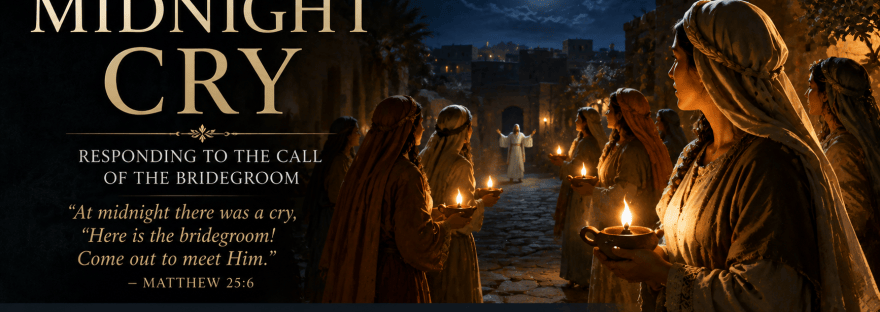
Preparing the Bride and Her Children for His Return

From the Series: Ordinary Saints: Lessons from the Ante-Nicene Church

Scripture quotations are from the New King James Version®.
Copyright © 1982 by Thomas Nelson. Used by permission. All rights reserved.

We are not merely raising children; we are preparing the Bride of Christ. This calling reaches far beyond teaching good behavior or passing down sound doctrine. It is about forming hearts ready for the coming King. It is about cultivating a living hope, a holy anticipation, and a steady expectation that Jesus Christ will return for a people who are watching, waiting, and faithful.

For example, picture a parent gathering the family at the end of the day, sharing one way they saw God at work, and then praying together, “Lord, help us be ready when You come.” These small, daily moments—reading a Bible story about Christ’s return, singing a worship song focused on hope, or simply asking, “What would it look like if Jesus came back today?”—can nurture holy anticipation. Children learn to look beyond routine, seeing their story caught up in God’s greater purpose.

Scripture reveals this clearly:

“Let us be glad and rejoice and give Him glory, for the marriage of the Lamb has come, and His wife has made herself ready.” (Revelation 19:7)

This is not distant theology; it is history’s direction. Christ is coming, and His Bride is being prepared now. I see this preparation in the individual believer and in what we pass to the next generation.

When I look at the early Church, I do not see indifference about His return. I see expectancy. Their lives were shaped by it. They greeted one another with a simple yet profound declaration: “Maranatha,” “Come, Lord Jesus.” That hope was not abstract; it shaped how they lived day to day. There was urgency, yes, but also holiness, watchfulness, and longing.

Jesus Himself warned:

“Let your waist be girded and your lamps burning… for the Son of Man is coming at an hour you do not expect.” (Luke 12:35–40)

To live watchfully is not to live anxiously, but attentively. Our lives move toward a real moment before Him. That awareness changes how we speak, choose, and endure.

And this is where the responsibility deepens.

We are called not only to live this way, but to teach it to our children. Not just how to live, but why. Obedience isn’t just discipline or structure—the King is returning.

“And the Spirit and the bride say, ‘Come!'” (Revelation 22:17)

When that truth takes root, it shapes daily choices. It clarifies suffering. It replaces fear with hope. Children who know this are not just well-behaved; they are anchored, seeing their lives in light of eternity.

At this point, I can imagine a reader quietly wrestling with this. “How do I teach something I don’t feel strongly about myself?” That question is honest. The answer is not to force emotion, but to return to truth. As we fix our eyes on what God has revealed, our hearts begin to align with it. Expectation grows from understanding, and longing grows from knowing Him. One simple step is to take a moment each day, perhaps after dinner or before bedtime, to read a short Scripture about Christ’s return together, or to pray, “Lord, help us to watch for You.” You might also ask your children, “What did you notice today that reminded you of Jesus?” Small, regular practices like these help nurture expectancy in both you and your children.

You may feel, “What if I haven’t modeled this well?” God’s grace meets us here. What matters is direction, not perfection. A heart turning toward Christ, even now, can shape a new legacy.

Readiness isn’t taught only with words; it is seen in how we live.

Early believers did not just prepare in theory. They lived as if they expected Him. Their homes, gatherings, and daily lives reflected that reality. Our homes today should also echo that hope, not fear, not pressure, but steady, joyful anticipation. For example, a family might create a tradition of lighting a candle together at dinner once a week and taking turns sharing one thing they are looking forward to when Christ returns. Simple habits, like keeping a special “hope jar” where each family member can write down prayers or thank-you notes for the future with Jesus, can become meaningful rituals. Even asking during bedtime, “What are you thankful for today, and what are you hopeful for when Jesus comes?” turns ordinary moments into opportunities to nurture eager expectation. In this way, the home’s atmosphere is filled with reminders that our story is moving toward Him.

“Even so, come, Lord Jesus.”

This is not escapism. It aligns with the truth.

And in this, something forms not just in us, but in those watching. Children see that faith isn’t confined to a moment or place; it’s a way of living for what’s to come. As we leave, we will not ultimately be measured by what we said, but by what we lived. Faithfulness in this present hour prepares the next generation for that coming Day. It shapes how they will stand, endure, and respond when Christ returns.

A reader may pause here and feel a sense of responsibility. But there is also assurance. God does not ask us to produce readiness by our own strength. He is forming His Bride. He works with His people. We are invited to join in what He is already doing. Do not walk this alone.

This preparation is communal. The Church is being made ready together. As we encourage one another, pray for one another, and remind one another of what is to come, we strengthen that shared hope. The cry of the Bride is not meant to be isolated; it is meant to rise together.

One simple way to foster this is to join together with other families for a regular time of prayer or a short, shared devotional. This could be as easy as gathering once a month with a few others to read a passage, pray for readiness, and encourage each other in hope. Creating a small prayer group or inviting neighbors for a weekly meal followed by a time of sharing can help nurture anticipation and deepen connection. Through habits like these, families experience firsthand that we wait for Christ together, building each other’s hope along the way.

So what does this require of us today?

The Church is not simply existing; it is being prepared. Children are not just raised; they are discipled in hope. Readiness is not just an idea; it is something we live out each day. In the end, the legacy we leave is this:

People who know Him.
A people who love Him.
A people who long for His appearing.

A Bride made ready.

Let us actively prepare, encourage, and live as a people who joyfully declare: Come, Lord Jesus.


Sources:

  • The Holy Bible — Revelation 19:7–9; Revelation 22:17; Luke 12:35–40; Titus 2:11–13; 2 Timothy 4:8
  • Hermas, Mandate 13
  • Clement of Rome, 1 Clement 50
  • Didache, ch. 16
  • Ignatius of Antioch, Letter to the Philadelphians

Faith Worthy of the Kingdom, Kingdom Discipleship

When Truth Reigns: Capturing Thoughts for Christ

From the Series: Ordinary Saints: Lessons from the Ante-Nicene Church

Scripture quotations are from the New King James Version®.
Copyright © 1982 by Thomas Nelson. Used by permission. All rights reserved.

Spiritual warfare does not begin in the visible; it begins in the mind.

Every action, word, and decision starts with a thought that always carries direction. If not confronted, even a single lie can reshape my view of God, myself, and the world. Scripture insists that I must confront and redirect my thoughts with purpose because the mind is the true starting point of spiritual warfare.

“Bringing every thought into captivity to the obedience of Christ.” (2 Corinthians 10:5)

This is not passive language; it is intentional and active, a call to engage.

With this understanding, the true battlefield of spiritual warfare is here and now in the mind, not somewhere distant.

So Scripture urges us, “Do not be conformed to this world, but be transformed by the renewing of your mind…” (Romans 12:2)

What remains in my mind shapes my life, because thoughts are the starting point of every spiritual battle. Left unguarded, my mind can distort truth, letting fear feel real, clouding identity, and weakening the desire for God.

This is why, at the heart of spiritual transformation, I am not called to merely manage thoughts, but to actively take them captive.

To take a thought captive is to stop it before it settles. To examine it. To measure it against the Word of God. And then to bring it under the authority of Christ. For example, when anxiety rises, and a thought tells me “I am alone in this,” I can pause and remind myself of the promise: “I will never leave you nor forsake you.” When tempted to dwell on past mistakes, I can bring those thoughts into the light of Scripture and remember that I am forgiven in Christ. In moments of comparison or envy, taking the thought captive might mean replacing it with gratitude and recalling God’s unique plan for my life. These small, daily actions are practical steps in renewing the mind.

This requires honesty.

Is this thought true according to Scripture?
Is it shaped by the voice of God, or by the influence of the world?
Does it lead me toward faith, or pull me into fear?
Does it magnify Christ, or center on self?

These are not abstract questions; they are necessary ones. Because not every thought that enters the mind deserves to remain there.

The early church understood this in a way that challenges how easily the modern mind drifts. They did not leave their thoughts to chance. They filled their minds with truth. Scripture was read aloud. It was memorized. It was sung. Their minds were not emptied; they were saturated.

At this point, a reader may begin to feel the weight of that contrast.

You might think, “My mind feels crowded, distracted… even overwhelmed. I don’t know how to slow it down, let alone control it.” That is an honest place to be. Scripture calls you to redirect your thoughts, not suppress them. Practical steps help: When an anxious thought arises, quietly recite a verse such as “The Lord is my shepherd; I shall not want.” If worry grows, a brief prayer for guidance or peace can reorient your mind. Some find worship music helpful for shifting attention, while others use journaling to reinforce God’s promises. Each practice gently guides your thoughts toward what is true.

There may also be a deeper struggle: “What if the thoughts keep coming back?” They often do. Taking thoughts captive is not a one-time act, but a continual practice. Repetition does not mean failure; it is part of training the mind to respond to truth.

That is when assurance becomes necessary.

You are not left to do this alone.

“The Helper, the Holy Spirit… will teach you all things, and bring to your remembrance all things that I said to you.” (John 14:26)

The Holy Spirit is not distant in this process; He is actively involved. He brings Scripture to remembrance. He exposes what is false. He leads the mind back to what is true. Renewal is not self-produced—it is Spirit-enabled.

Over time, the mind that was once easily led becomes discerning. Thoughts that once lingered lose their influence. Truth becomes familiar, while lies are easier to recognize. Setbacks are normal. Each small step matters, and perseverance makes transformation possible.

In time, this transformation, though gradual, becomes increasingly real.

However, this process is not meant to be lived in isolation.

The Body of Christ helps strengthen the mind against deception by speaking the truth, encouraging one another, and reminding each other of God’s word. Practical ways include finding an accountability partner, joining a small group focused on Scripture, praying together, or sharing encouraging verses. Supporting one another multiplies individual transformation.

This leads to the central approach: Renewal of the mind, taking thoughts captive, relying on the Holy Spirit, and engaging in community are not options; they are the essential actions that drive true transformation. These are the core principles for winning spiritual battles and experiencing lasting change.

Every battle begins with a thought, but not every thought must become a stronghold. For believers, the ongoing process of renewing the mind by speaking, meditating on, and obeying truth remains foundational for spiritual victory. Clarity about these steps empowers consistent growth.

As this unfolds, transformation begins from within, not by force, but by the steady work of God.

As transformation continues, the mind shifts from a place of conflict to a stronghold of truth. This renewed mindset is the ultimate evidence of spiritual growth, and the main takeaway is that ongoing renewal leads to lasting change.

And where Christ reigns.


Sources:

  • The Holy Bible — 2 Corinthians 10:3–5; Romans 12:1–2; Philippians 4:8; John 14:26; Psalm 1:2
  • Hermas, Mandate 10
  • Clement of Alexandria, Stromata
  • Didache, ch. 4
  • Ignatius of Antioch, Letter to the Magnesians
Faith Worthy of the Kingdom, Kingdom Discipleship

Kingdom Values: Living a Life Not of This World

From the Series: Ordinary Saints: Lessons from the Ante-Nicene Church

Scripture quotations are from the New King James Version®.
Copyright © 1982 by Thomas Nelson. Used by permission. All rights reserved.

When Jesus stood before Pilate, He made a statement that revealed the central distinction between His Kingdom and the world: a call to live by radically different values.

“My kingdom is not of this world…” (John 18:36)

In that statement, the dividing line is unmistakable: The Kingdom of God is founded on values and principles in direct contrast to those of the world. What one exalts, the other rejects.

The early Church understood this distinction with clarity. Living under Roman rule, a system marked by power, status, and force, they made a deliberate choice. They would not conform. Instead, they lived in a way that reflected the values of heaven. Their lives became a visible testimony that another Kingdom had already come and did not resemble the empire around them.

This is more than a subtle difference; it is, in fact, a complete contrast.

The world teaches us to elevate ourselves, to secure our place, to defend our rights, and to pursue gain at any cost. But the words of Christ call us in the opposite direction.

He teaches:

“Whoever exalts himself will be humbled, and he who humbles himself will be exalted.” (Matthew 23:12)

“I say to you, not to resist an evil person. But whoever slaps you on your right cheek, turn the other to him also.” (Matthew 5:39)

“Whoever desires to save his life will lose it, but whoever loses his life for My sake will save it.” (Luke 9:24)

These are not abstract ideals. They are commands that define the life of a disciple. And when placed side by side with the values of the world, the difference is unmistakable.

The early believers did not try to merge these two systems. They did not attempt to soften the tension. They embraced it.

While the Roman world celebrated military strength and the power of the sword, the Church clung to Christ crucified. They did not seek to dominate culture; they bore witness to a greater Kingdom. Their lives were marked by love, humility, and sacrifice, even when it cost them everything.

And though they were seen as weak, their witness carried power.

“They love all men and are persecuted by all… they are poor, yet make many rich… dishonored, yet glorified.”

Their lives revealed something the world could not understand: that Christ, not comfort, was Lord.

But over time, something began to shift. As the centuries progressed, the distinction between the Kingdom and the systems of the world became less clear. Influence began to replace integrity. Status began to overshadow sacrifice. What was once a sharp contrast became, in many ways, a blending.

Reflecting on this shift, I turn the question inward.

What about today?

It is easy to look at the early Church and admire its faithfulness. It is much harder to examine whether we are walking in the same values. There is a real danger that we begin to reflect the world more than the Kingdom we claim to belong to.

What might living out Kingdom values look like today? At home, it can mean choosing forgiveness over resentment when conflicts arise, or serving family members without expecting anything in return. At work, it can show up as integrity in our actions, treating coworkers with kindness rather than competition, and standing up for what is right, even when it costs us professionally. In our communities, it could look like caring for neighbors in need, giving generously without recognition, or offering our time to serve those who cannot repay us. These daily choices, though often unseen, reveal whether our allegiance lies with the Kingdom of God or the systems of the world.

A reader might pause here and feel that tension. “Am I living differently, or do I look like everything around me?” That question is not meant to accuse; it is meant to reveal. Because the line between these two value systems is still just as clear as it was in the first century.

There may also be resistance that rises. “But what about my responsibilities? My future? My security?” These are real concerns. Yet the call of Christ has never been to preserve self above all else; it has always been to trust Him fully. Kingdom living requires surrender, not control.

We see this clearly in the story of Abraham. When God called Abraham to leave his homeland for an unknown land, Abraham stepped out in faith, trusting God with his future and security. Though he did not know where he was going, Abraham experienced God’s faithfulness every step of the way. In the same way, surrendering our fears about the future leads us to discover that God is trustworthy and that His plans are good.

Yet, alongside this challenge, assurance remains.

God does not call us to live by Kingdom values and then leave us without help. The same Spirit who empowered the early Church dwells within every believer. What He commands, He also enables. The life He calls us to live is sustained by His power, not our own strength. But how do we truly rely on the Spirit in our daily lives? We do this by coming to God in prayer, honestly inviting the Spirit to lead and strengthen us. We listen for His guidance through His Word and the quiet prompting within our hearts. We seek the accountability of fellow believers, sharing our struggles and asking others to pray with us and for us. These practices open us to the Spirit’s help, so that we do not walk this journey alone or in our own strength.

And this is not something we are meant to walk out alone.

The early believers lived these values together. Their shared commitment strengthened their witness. Their unity made the contrast visible. In the same way, the Body of Christ today is called to reflect these values collectively, not just individually. When we do, the light becomes unmistakable.

How can we begin to foster this kind of unity among us? One practical way is through small groups that meet regularly, offering a space to pray, learn, and support each other. Forming prayer partnerships is another step, allowing us to encourage and hold one another accountable as we seek to live out Kingdom values. Taking part in service projects together, whether serving neighbors, supporting food drives, or helping those in need, also unites us in living out our faith. By intentionally engaging in these practices, we strengthen our bond as a community and help each other walk out the values of the Kingdom in everyday life.

All of this brings us to a necessary conclusion.

Kingdom values cannot be reconciled with worldly systems. They are not meant to coexist comfortably. To follow Christ is to embrace the cross, not the approval of the world. It is to test every value, every pursuit, and every priority against His Word.

And when we do, something happens.

Our lives begin to shine not because we are striving to stand out, but because we are living according to a different Kingdom.

A Kingdom that is not of this world.

But it is already at work within us.

Faith Worthy of the Kingdom, Kingdom Discipleship

More Than Ordinary: A Royal Priesthood in Christ

From the Series: Ordinary Saints: Lessons from the Ante-Nicene Church

Scripture quotations are from the New King James Version®.
Copyright © 1982 by Thomas Nelson. Used by permission. All rights reserved.

Before accepting roles or titles from the world, I know a deeper truth in Christ: I am part of a royal priesthood. This is not just symbolic language. God Himself declares this identity.

Scripture says:

“But you are a chosen generation, a royal priesthood, a holy nation, His own special people, that you may proclaim the praises of Him who called you out of darkness into His marvelous light.” (1 Peter 2:9)

Through Jesus Christ, every believer enters this reality, royal and priestly, set apart for purpose. This calling means I am to worship, serve, intercede, and reflect His holiness in a world that does not know Him. In daily life, worship can be as simple as beginning the day in prayer or offering thanks to God during ordinary routines. Serving others may look like helping a coworker, caring for a neighbor in need, or showing patience in a challenging situation. Intercession might mean praying for a friend facing difficulties, bringing a coworker’s need before God, or quietly lifting up your community when you hear troubling news. This identity is not abstract; it transforms the way I approach each moment and every relationship.

In the Old Testament, priests were chosen, cleansed, and set apart for a sacred purpose. They stood between God and man, not as mediators themselves, but as servants. They taught, offered sacrifices, and led worship.

Here, a significant shift takes place: what was once exclusive to the Old Testament priesthood has now been fulfilled and expanded in Christ.

“And have made us kings and priests to our God; and we shall reign on the earth.” (Revelation 5:10)

This priesthood is no longer confined to one tribe or lineage but is now for all born again through faith in Jesus Christ. As a result, this is not a distant concept; it is a present reality.

Still, even as we embrace this identity, it does not stand on its own. It is rooted in Christ Himself.

Jesus is the Great High Priest, who offered Himself as the perfect sacrifice. I live as a priest because of what He has done.

Following Christ’s example, just as He offered Himself, I am now called to offer my life in response.

“I beseech you therefore, brethren, by the mercies of God, that you present your bodies a living sacrifice, holy, acceptable to God…” (Romans 12:1)

This means my life is not my own. It is a daily, continual, surrendered offering.

It also means I stand in the gap for others.

“Therefore I exhort first of all that supplications, prayers, intercessions… be made for all men.” (1 Timothy 2:1)

And I represent Christ to the world around me.

“Now then, we are ambassadors for Christ…” (2 Corinthians 5:20)

Therefore, this is not an added layer to the Christian life; it is central to it.

To understand this calling, I look to the early church. I do not see believers waiting to be told they could minister. They knew who they were. They lived as those who carried God’s presence. They did not simply gather in buildings. They became temples of the Holy Spirit, walking into every space with light, truth, and the love of Christ.

In the same way, today, we are called to carry God’s presence into our own environments. Just as the early believers brought the reality of Christ to their cities and homes, modern followers of Jesus can bring His light to their workplaces, neighborhoods, and families. When we interact with colleagues, serve in our communities, or encourage those in our own households, we continue the legacy of living as temples of the Holy Spirit. Our daily actions can reflect God’s love and holiness, revealing Him to those around us.

At this point, the significance of this truth becomes apparent.

You might pause: “I don’t feel like a priest. I feel ordinary… unqualified.” But this identity is not based on feeling or qualification. It is given in Christ. The priests of old were chosen by God. You are chosen, not for who you were, but for who He is.

There may be a quiet conviction: “If this is true, my life carries more responsibility than I’ve been living.” This conviction is not to condemn; it is to awaken. I do not live casually. I live conscious of God.

Nevertheless, despite the weight of responsibility, there is assurance.

You are not left to figure this out alone. The same Spirit who sanctifies also empowers. God does not call without providing what is needed. What He declares, He will faithfully work within you. As you step into this calling, you can rely on the Holy Spirit by praying for guidance, strength, and wisdom each day. Seek encouragement and accountability in community with other believers, sharing both burdens and victories. Embrace spiritual disciplines such as reading Scripture, worship, and quiet reflection, knowing that God meets you in these moments. If you ever feel overwhelmed, remember that He provides grace for every step and supports you in every circumstance.

Furthermore, this calling is not lived in isolation. Every believer shares in this priesthood. Together, the Body of Christ is a living, active priesthood serving, interceding, worshiping, and proclaiming Him.

With this in mind, a vital question arises: are we living as individuals attending church, or as a united priesthood serving under one High Priest?

To pursue true unity as a priesthood, it is important to take simple steps together. We can gather in prayer, not just privately, but in small groups or as a community, interceding for one another and for those around us. We can find practical ways to serve side by side, offering help to those in need, supporting local outreach, or caring for members of our own congregation together. Regular encouragement is also key: taking time each week to speak words of life, pray for a fellow believer, or check in on someone who may feel alone. By choosing to pray, serve, and encourage each other as one body, we can grow in unity and truly live as the royal priesthood Christ calls us to be.

Because there is a difference.

This identity is not earned; it is given. It is not passive. My life is worship; set apart, holy, and offered to God.

So, when these truths are embraced, the calling becomes clear.

I am to proclaim Him.
I am to intercede.
I am to serve.
I am to worship.

Not as an obligation—but as one who has been brought near.

A royal priesthood is not what I strive to become.

It is who I am in Christ.


Sources:

  • The Holy Bible — 1 Peter 2:9; Revelation 5:10; Romans 12:1; 2 Corinthians 5:18–20; 1 Timothy 2:1
  • Clement of Rome, 1 Clement 40
  • Didache, ch. 15
  • Tertullian, On the Soldier’s Crown
  • Origen, Against Celsus
Faith Worthy of the Kingdom, Kingdom Discipleship

Anchored in Prayer: Lessons from the Early Church in the Book of Acts

From the Series: Ordinary Saints: Lessons from the Ante-Nicene Church

Scripture quotations are from the New King James Version®.
Copyright © 1982 by Thomas Nelson. Used by permission. All rights reserved.

When I read through the Book of Acts, I do not see a passive or powerless church. I see people anchored in prayer; devoted, expectant, and filled with the Holy Spirit. Their prayers were not empty routines or quiet rituals. They were living expressions of faith that moved in step with God’s will. Through prayer, they sought boldness, asked for guidance, and trusted God for what only He could do. And God answered.

Scripture shows this clearly:

“These all continued with one accord in prayer and supplication…” (Acts 1:14)

Prayer was not an accessory to their faith; it was its foundation. Their lives were shaped before God in private and revealed in power in public. They prayed, knowing God hears and responds.

From the very beginning, their prayers were not only personal but also shared. They gathered together, unified in purpose and voice, seeking the Lord as one body. And when they did, something remarkable happened:

“When they had prayed, the place where they were assembled together was shaken…” (Acts 4:31)

This was not emotional hype. It was the Holy Spirit uniting their hearts. They carried the same burden, sought the same Lord, and waited with expectation, trusting God to move. Their unity in prayer brought clarity, courage, and drove out fear.

As I consider this, I can imagine a reader quietly asking, “Is that kind of unity even possible today?” It may feel distant, especially in a world divided even within the Church. Yet Scripture does not present this as something reserved solely for them. The same Spirit who unified them still dwells within the Body of Christ. Unity is not something we manufacture; it is something we yield to.

Their prayers were also marked by boldness. They did not approach God timidly, nor did they ask for comfort in the face of opposition. When threatened, they did not pray only for safety; they asked for strength to continue.

“Grant to Your servants that with all boldness they may speak Your word.” (Acts 4:29)

There was no retreat in their hearts. They did not shrink back under pressure. Instead, they pressed further into the presence of God. Their confidence was not in themselves, but in the One who had called them.

Perhaps this stirs something deeper. You might think, “I don’t know if I pray like that. My prayers feel small… cautious.” That awareness is not condemnation; it is an invitation. God is not looking for perfected words, but for hearts that trust Him. Boldness in prayer is not about volume or intensity; it is about confidence in who God is and what He has said.

The early church also prayed beyond human effort. Their prayers weren’t mere routine; they were led, strengthened, and carried by the Holy Spirit, even when words failed.

As it is written:

“Praying always with all prayer and supplication in the Spirit…” (Ephesians 6:18)

Their prayers were shaped by Scripture, directed by the Spirit, anchored in faith, and filled with worship. This was not mechanical repetition; it was living communion with God.

And they did not treat prayer as something to rush through. They remained steadfast. They continued.

“They continued steadfastly… in prayers.” (Acts 2:42)

They fasted. They waited. They listened. They did not abandon prayer when answers were delayed. This was not desperation trying to force God’s hand; it was devotion that trusted His timing. Their persistence revealed their dependence.

A reader might pause here and wonder, “What if I’ve prayed and nothing seems to change?” That question is real, and Scripture does not ignore it. The early believers did not measure God’s faithfulness by immediate outcomes. They trusted Him even in the waiting. Prayer was not merely about receiving but about aligning. As hearts aligned with God, they were strengthened to endure, to trust, and to continue.

I remember a time when I was praying through a difficult season, waiting for direction that did not come as quickly as I hoped. Each day, I brought my requests to God, uncertain and sometimes discouraged. Weeks passed, and I saw no clear answer. But as I persisted in prayer, my heart slowly changed. Instead of focusing only on the outcome, I began to notice God at work in subtle ways, giving me patience, deepening my dependence on Him, and reminding me of His promises. When the answer finally came, it was not just the resolution I needed, but a testimony of God’s faithfulness in the waiting. My faith grew stronger, not because I received what I wanted right away, but because I met God in the process.

And in that place, assurance begins to grow. God hears. He is not distant. He is not indifferent. The same God who responded in the Book of Acts is unchanged. His purposes are perfect, and His timing is sure.

There is also something deeply communal about this kind of prayer. The early church did not carry burdens alone. They stood together, lifting one another up before the Lord. In that shared pursuit, faith was strengthened. Courage spread. Hearts were knit together.

This invites reflection: who are we praying with? Not just beside, but with. There is a difference. When the Body of Christ truly gathers in prayer, seeking God together, something begins to shift not only around us, but within us. To take this to heart, consider practical steps: invite one or two friends to meet and pray regularly, form a small prayer group at home or after a service, or simply share your prayer needs with someone and offer to pray for theirs. You could join an existing prayer meeting, start a group chat to share requests, or take a moment to pray with someone right after a conversation. Each of these simple actions helps us move from inspiration to true community, carrying one another and drawing closer to God.

The main takeaway is simple: prayer shaped the early Church and remains the foundation of the Church today. We are called to pray together, boldly and dependently, trusting God to work as we align ourselves with Him.

Ultimately, prayer in God’s Kingdom is the active, unified, Spirit-filled response that sustains His people. The Church’s foundation is prayer, steadfast, scripturally grounded, and worshipful, and it is through this that God’s purpose is revealed and accomplished.

When the Church humbles itself and seeks Him, God will move according to His will.

The invitation is simple.

Return to prayer; begin today. Step in with faith, expectation, and unity. God is ready to meet you there.

To help us respond as one body, I invite you to join with others in prayer, whether right after this message, in small groups during the week, or with trusted friends and family. Let us put this into practice together. As we gather and seek God with one heart and voice, may His presence shape us and deepen our unity.


Sources:

  • The Holy Bible — Acts 1:14; Acts 2:42; Acts 4:29, 31; Ephesians 6:18
  • Tertullian, On Prayer
  • Didache, ch. 8–10
  • Clement of Rome, 1 Clement 59–61
  • Origen, On Prayer
Faith Worthy of the Kingdom, Kingdom Discipleship

Allegiance to Christ: Faithful Obedience and Civil Disobedience in the Early Church

From the Series: Ordinary Saints: Lessons from the Ante-Nicene Church

Scripture quotations are from the New King James Version®.
Copyright © 1982 by Thomas Nelson. Used by permission. All rights reserved.

To the early Christians, allegiance to Jesus Christ was never just words. It was seen and proven in the way they lived. Every action, every relationship, and every response to authority flowed from a singular truth: Christ is Lord. They obeyed laws, paid taxes, and prayed for those in authority. Yet, they also understood this: obedience to earthly authority has limits. When human commands contradicted God’s Word, they chose Christ over Caesar, no matter the cost.

I am reminded of what is written:

“We must obey God rather than men.” (Acts 5:29)

This was not a rebellion rooted in pride or resistance for its own sake. It was faithful obedience, humble, Scripture-grounded, and Spirit-empowered. Their lives bore witness to a higher allegiance.

The early believers were not political agitators or revolutionaries. They sought peace, lived quietly, and respected governing authorities as ordained by God. As it is written:

“That you also aspire to lead a quiet life, to mind your own business, and to work with your own hands…” (1 Thessalonians 4:11–12)

Yet even in their submission, there was clarity. When rulers demanded what belonged to God alone, worship, devotion, or denial of Christ, they did not comply. They refused to offer incense to idols or call Caesar “Lord.” Their obedience to God set the limit on their obedience to man.

One can almost hear the weight of their conviction in words like these:

“We are ready to serve you, but we cannot worship your gods or call the emperor ‘Lord.’ Christ is our only King.”

This was not the language of defiance; it was the confession of allegiance.

They were not arrested as criminals in the traditional sense. They did not riot or incite rebellion; their “crime” was singular: they would not bow to anyone but Jesus Christ. Their resistance took the form of silence before magistrates, refusal of idolatrous acts, hymns from prison cells, and quiet acceptance of whatever sentence followed.

They did not curse the authorities. They did not demand their rights. Instead, they stood firm, peacefully, resolutely, and entrusted themselves to God.

The early church did not hide this reality from new believers. Discipleship included preparation for suffering. Leaders taught that following Christ might bring conflict with human authority. Such moments were not signs of failure, but evidence of faithfulness.

As one early Christian wrote:

“We pray for the empire… but we refuse to call Caesar ‘God.'”

There was no confusion in their hearts. They honored earthly authority, but they worshiped God alone.

And the cost was real.

To follow Christ in this way often meant losing everything that anchored a person to this world. Businesses collapsed because believers refused to participate in idolatrous practices. Positions of influence were lost. Families and communities rejected them. Many faced imprisonment, torture, and ultimately death.

Yet Scripture reveals their perspective:

“They departed from the presence of the council, rejoicing that they were counted worthy to suffer shame for His name.” (Acts 5:41)

They did not chase suffering, nor did they flee from it. Their eyes looked to a greater Kingdom, a righteous Judge, and an eternal inheritance that nothing could take from them.

As I consider this, I can already sense what may rise in the reader’s heart.

You might feel the tension. Does this mean you may one day have to choose between obedience to God and man? Scripture says yes. That realization feels sobering. It urges us to examine where our true allegiance lies, not in theory, but in practice.

At such moments, how can a believer discern what faithfulness requires? The early church offers us practical steps: Prayerfully seek wisdom in God’s Word and through the counsel of mature believers. Weigh whether the human command requires you to sin or deny Christ. Consider the motivations of your heart; are you acting out of devotion to Christ, or from anger or pride? Remember to pursue peace where possible, and to honor authority up to the point where obedience to God is compromised. These steps help ensure that any act of civil disobedience is truly an act of obedience to God, marked by humility, courage, and love.

You might also feel a quiet assurance take root. If that day comes, will God sustain you? He will. The same Spirit who strengthened the early church has not changed. God does not call His people to stand alone. He upholds them in the very moments they are tested. What He commands, He equips.

Let me share a recent example. In a country where churches were suddenly closed by authorities, a small group of believers continued to gather quietly in homes to pray and encourage one another. One member later shared, “We felt afraid, but God gave us peace each time we met. Even when some were questioned by police, the Spirit gave them words to answer. We saw God provide, protect, and keep our faith strong.” Stories like these remind us: God still sustains His people under pressure, and His faithfulness has not diminished.

There may also be a deeper stirring, an awareness that faith was never meant to be lived alone. Early believers stood together. They prayed and strengthened one another. Their courage was forged in community. The same holds true today. We are not meant to navigate these tensions alone. Instead, we do so within the Body of Christ. Here, truth is spoken, burdens are shared, and faith is refined.

To foster this unity and encourage one another, we can take practical steps together. Forming consistent prayer groups allows us to lift one another before God. Creating support circles or sharing networks helps meet practical needs when someone faces hardship for their faith. We can set aside regular times for honest conversations, inviting each person to share their struggles or doubts in a safe environment. Visiting one another, sharing meals, and offering to help with daily needs can lighten burdens and strengthen hearts. Through these acts of community, we reflect the love and encouragement that sustained the early church.

What, then, do we learn?

We learn that civil disobedience, when rooted in obedience to God, is faithfulness, not lawlessness. Following Christ costs something, as it always has. Our stand must be marked by humility, courage, and peace, not anger or pride.

To clarify, faithful civil disobedience is not simply following personal preference or disagreeing with a policy. The boundary is clear: when an earthly authority requires us to do what God forbids, or forbids what God commands, obedience to God must come first. It is not enough to act based on personal opinions or desires; the matter must be weighed carefully against Scripture, prayer, and wise counsel. In this way, true civil disobedience honors God’s commands, while mere preference or convenience does not.

And above all, let us take this to heart: our true calling is to bear faithful witness, even when it is costly. We are not rebels without cause. We are citizens of a higher Kingdom, ambassadors of a greater King, and servants of the One whose authority stands above all others. Our allegiance is not divided; it is clear, unwavering, and rooted in Christ alone.

Take a moment to reflect: In what areas of your life might your allegiance to Christ be tested? Are there relationships, habits, or situations where following Him would require courage or sacrifice? Invite the Holy Spirit to reveal any places where your devotion or obedience is being challenged. Bring these before God, ask Him for strength, wisdom, and faithfulness to choose Christ above all.

Our allegiance is undivided and intentional, rooted wholly in Christ.

This is the foundation on which we stand.


Sources:

  • The Holy Bible — Acts 5:29, 41; 1 Thessalonians 4:11–12
  • Tertullian, To Scapula
  • Athenagoras, Apology
  • Martyrdom of Polycarp, c. AD 155
  • Eusebius, Church History
Faith Worthy of the Kingdom, Kingdom Discipleship

How Does the Holy Spirit Speak? Word, Conviction, and Guidance Explained Biblically

From the Series: Ordinary Saints: Lessons from the Ante-Nicene Church

Scripture quotations are from the New King James Version®.
Copyright © 1982 by Thomas Nelson. Used by permission. All rights reserved.


The question is often asked: how does the Holy Spirit speak? Some expect dramatic impressions or audible voices, while others dismiss the question altogether, reducing the Spirit’s work to doctrine alone. Yet Scripture gives a clear and balanced answer, one that is neither mystical nor mechanical, but living and rooted in truth.

The Holy Spirit does speak. But He does not speak independently of what God has already revealed. Jesus said, “However, when He, the Spirit of truth, has come, He will guide you into all truth… He will take of what is Mine and declare it to you” (John 16:13-14). The Spirit’s role is not to introduce new truth, but to reveal, apply, and bring to remembrance what belongs to Christ.

Because of this, the primary way the Holy Spirit speaks is through the Word of God—the very Word He inspired. Scripture tells us, “All Scripture is given by inspiration of God” (2 Timothy 3:16). The Spirit who authored the Word does not contradict it; He illuminates it. Apart from Him, the Word may be read, but not truly understood, for “the natural man does not receive the things of the Spirit of God… because they are spiritually discerned” (1 Corinthians 2:14). When a believer comes to Scripture with a yielded heart, the Spirit brings clarity, conviction, and understanding. What was once distant becomes personal, and what was once merely known becomes deeply understood.

The Holy Spirit also speaks through conviction. Jesus said, “And when He has come, He will convict the world of sin, and of righteousness, and of judgment” (John 16:8). This conviction is not condemnation, but clarity. It exposes sin, corrects the heart, and aligns us with the righteousness of God. Often, this work is quiet but unmistakable. It does not depend on emotion, but on truth. It presses inward, calling us to respond in repentance and obedience.

He also guides believers in their daily walk. Scripture says, “For as many as are led by the Spirit of God, these are sons of God” (Romans 8:14). This guidance is not vague or detached from Scripture, but deeply connected to it. The Spirit brings God’s Word to mind in moments of decision, aligns our desires with His will, restrains us from sin, and prompts us toward obedience. He does not offer new revelation apart from the Word, but faithfully applies what has already been revealed. As it is written, “Your word is a lamp to my feet and a light to my path” (Psalm 119:105). The Spirit uses that light to direct our steps.

To understand how the Spirit speaks, we must also recognize what He does not do. He does not contradict Scripture, nor does He produce confusion or disorder, for “God is not the author of confusion but of peace” (1 Corinthians 14:33). He does not draw attention to Himself apart from Christ, but rather glorifies Him, as Jesus said, “He will glorify Me” (NKJV, John 16:14). Any leading that departs from Scripture or shifts the focus away from Christ is not from the Spirit of God.

Learning to hear the Holy Spirit, then, is not about chasing experiences, but about growing in sensitivity to truth. This comes through remaining in Scripture, walking in obedience, and living in continual dependence on God through prayer. As we respond to conviction and test all things by the Word—”Test all things; hold fast what is good” (1 Thessalonians 5:21)—we begin to discern His work more clearly. Over time, we recognize His leading, not as something separate from Scripture, but as the Spirit bringing the Word of God to life within us.

At this point, some may wonder: What does this look like in daily life? It often looks far simpler, and far deeper, than expected. It is opening the Scriptures and finding that a passage speaks directly to your situation. It is sensing a quiet but firm conviction to turn away from sin or to act in obedience. It is being reminded of truth at the exact moment you need it. These are not dramatic displays, but they are unmistakably the work of God within you.

Others may ask: What if I don’t feel anything? Scripture never teaches that the Spirit’s work is measured by feeling. His presence is known first by truth and by the fruit He produces. As it is written, “But the fruit of the Spirit is love, joy, peace…” (Galatians 5:22-23). Growth in these things is evidence of His work, even when emotions are quiet.

Some may struggle with assurance, wondering if they truly hear Him at all. Scripture gives clarity here as well: “For as many as are led by the Spirit of God, these are sons of God” (Romans 8:14). If you are being drawn to Christ, convicted of sin, and led toward obedience to God’s Word, this is the Spirit’s work. He is not absent; He is actively working within you.

And this is not meant to be lived out in isolation. The Spirit works within the body of Christ, using other believers for encouragement, correction, and confirmation. As we walk together in truth, we help one another discern rightly and remain grounded in Scripture.

The Holy Spirit is not distant. He is present, active, and faithful to lead God’s people. But His voice is heard most clearly where His Word is known, believed, and obeyed. As we abide in Christ and remain grounded in Scripture, the Spirit teaches, convicts, and guides us into a life that reflects Him.

This is not a mystical pursuit, nor a mechanical process. It is a living relationship; one rooted in truth, sustained by grace, and directed by the Spirit of God.


Further Scriptures for Study

  • John 14:26 — The Spirit teaches and reminds believers of Christ’s words
  • John 16:13-14 — The Spirit guides into truth and glorifies Christ
  • Romans 8:14 — Believers are led by the Spirit of God
  • Galatians 5:16 — The call to walk in the Spirit
  • Galatians 5:22-23 — The fruit of the Spirit as evidence of His work
  • 1 Corinthians 2:10-14 — Spiritual truth is revealed by the Spirit
  • 1 Corinthians 12:4-11 — The Spirit distributes gifts according to His will
  • Ephesians 5:18 — The ongoing call to be filled with the Spirit
  • 1 Thessalonians 5:19-21 — Do not quench the Spirit; test all things
  • Hebrews 4:12 — The Word of God discerning the heart
Faith Worthy of the Kingdom, Kingdom Discipleship

The Holy Spirit: The Living Presence at the Heart of the Church

From the Series: Ordinary Saints: Lessons from the Ante-Nicene Church

Scripture quotations are from the New King James Version®.
Copyright © 1982 by Thomas Nelson. Used by permission. All rights reserved.

The Holy Spirit is neither a force nor a mere concept. He cannot be reduced to a feeling or regarded as a theological accessory to Christian life. Rather, the Holy Spirit is God, the third Person of the Trinity, eternal, holy, and present throughout every stage of redemptive history. He constitutes the very life of the Church. Without Him, the Church cannot exist.

Despite this, confusion about the Holy Spirit persists in many Christian communities. Some misunderstand His role, substituting His influence for intellectual theology or confining Him to emotional experiences lacking biblical grounding. Others nearly ignore Him altogether.

This was not the case in the early Church, where the role of the Spirit was both clear and central.

“In the beginning… the Spirit of God was hovering over the face of the waters.”
Genesis 1:2

From creation, the Holy Spirit was present: active, powerful, and creative. Throughout the Old Testament, He empowered judges, prophets, and kings. The prophets also anticipated a future time when the Spirit would be poured out on all people, regardless of age or status (Joel 2:28).

This promise was fulfilled on the day of Pentecost, marking a pivotal transition in redemptive history.

“You will receive power when the Holy Spirit has come upon you, and you will be My witnesses…”
Acts 1:8

The Church did not originate from a strategy meeting. Instead, its birth occurred during a prayer gathering, marked by the arrival of the Spirit. Tongues of fire rested upon the believers, who then spoke boldly and preached with conviction. Thousands responded in faith. The Holy Spirit accomplished what human effort could not: He imparted life to the Body of Christ.

From that day forward, the Holy Spirit filled believers with courage and joy. He provided strength and boldness amid persecution and uncertainty. He convicted hearts of sin and revealed truth. He opened eyes to God’s holiness and the necessity of repentance. The Spirit guided decisions and enabled the planting of churches. Through His wisdom, He shaped the direction of the early Christian movement. The Spirit spoke through ordinary individuals, empowering them to proclaim the gospel and minister beyond their natural abilities. He comforted the persecuted, offering solace and hope during suffering and trials. The Spirit led discipleship, mission, and unity, forming a community that demonstrated Christ’s love and purpose to the world. Early believers did not merely believe in the Spirit; they depended on Him. They lacked seminaries, creeds, or commentaries, but possessed Scripture, prayer, and the indwelling presence of God.

They didn’t ask: “What do the theologians say?” They asked:

“What is the Spirit saying to the churches?”
Revelation 2:7

Over the centuries, significant transitions occurred within church life. The Church increasingly prioritized hierarchy, tradition, and intellectual systems, often replacing the living voice of the Spirit. While doctrine was debated in councils, personal reliance on the Spirit frequently diminished.

This situation persists today. Some regard the Spirit merely as a theological label rather than as a present and active Person. Others reduce His role to mystical experiences that lack discernment, valuing experience over truth. Still others ignore Him entirely, prioritizing academic clarity or tradition above the Spirit’s living presence. A church without the Holy Spirit is comparable to a body without breath. Nevertheless, even in our shortcomings, God graciously invites us to return to Him. The Spirit is not distant, and God desires to renew His presence among us. Regardless of our past neglect or misunderstanding of the Spirit, He is ready to revive, restore, and guide us forward. As we seek Him, there is hope for spiritual renewal and growth both individually and collectively as Christ’s Church.

He is God, as affirmed in Acts 5:3–4, and shares in the divine nature of the Triune God. He is a Person, not a force or impersonal power, as described by Jesus in John 14:16–17. He is also identified as the Spirit of Truth (John 16:13), guiding believers into all truth and illuminating the Scriptures. The Holy Spirit teaches, guides, convicts, comforts, speaks, and empowers believers for life and ministry. He is the indwelling presence of Christ within each believer, as stated in Romans 8:9–11, making God’s life real and personal.

Our relationship with the Holy Spirit is intended to be dynamic, personal, and ongoing. Believers can cultivate this relationship through prayer, inviting the Spirit to guide their thoughts and decisions daily. Engaging with Scripture with an open heart and asking the Spirit to reveal truth and provide understanding draws us closer to Him. By listening during moments of quiet and remaining attentive to His promptings, we become more sensitive to His guidance. As we act in faith and obedience, the Spirit deepens our connection with God, bringing transformation, comfort, and strength. The Holy Spirit is neither distant nor abstract; He desires fellowship with us and seeks to make Christ known in our daily lives.

The Church cannot function authentically without the Holy Spirit, who is essential to its existence and purpose. We must come to know the Holy Spirit as a Person, not merely as an abstract idea or doctrine. The Spirit leads us into truth, never contradicting the Scriptures, and consistently confirms and illuminates the Word. We are commanded to walk by the Spirit, rather than by our own desires or intellect, and to entrust ourselves to His guidance daily.

How can we practice this daily? Begin with prayer, inviting the Spirit to guide, correct, and encourage you throughout the day. Engage with Scripture, asking the Spirit to open your understanding and apply truth to your life. Learn to listen during moments of quiet, allowing space for the Spirit to speak to your heart and conscience. When facing decisions, seek His wisdom and remain attentive to His promptings. Make it a consistent practice to pause and seek His presence, whether during routine tasks or new challenges. Through these practices, we grow in relationship with the Holy Spirit and learn to walk more closely by His guidance.

Select Scriptures:

  • “Now the Lord is the Spirit; and where the Spirit of the Lord is, there is liberty.” (2 Corinthians 3:17)
  • “And the Spirit of God was hovering over the face of the waters.” (Genesis 1:2)
  • “And it shall come to pass afterward that I will pour out My Spirit on all flesh…” (Joel 2:28)
  • “But you shall receive power when the Holy Spirit has come upon you; and you shall be My witnesses…” (Acts 1:8)
  • “And when He has come, He will convict the world of sin, and of righteousness, and of judgment.” (John 16:8)
  • “He will guide you into all truth… He will take of what is Mine and declare it to you.” (John 16:13-14)
  • “He who has an ear, let him hear what the Spirit says to the churches.” (Revelation 2:7)
  • “Sanctify them by Your truth. Your word is truth.” (John 17:17)
  • “But if anyone does not have the Spirit of Christ, he is not His.” (Romans 8:9)
  • “Your word is a lamp to my feet and a light to my path.” (Psalm 119:105)
  • “Walk in the Spirit, and you shall not fulfill the lust of the flesh.” Galatians 5:16)
  • “But the fruit of the Spirit is love, joy, peace, longsuffering…” (Galatians 5:22-23)
  • “But one and the same Spirit works all these things, distributing to each one individually as He wills.” (1 Corinthians 12:11)

Sources:

  • The Holy Bible — Genesis 1:2; Joel 2:28; Acts 1:8; Acts 5:3–4; John 14:16–17; John 16:13; Romans 8:9–11; Revelation 2:7
  • The Didache, ch. 10 (Spirit-led worship and teaching)
  • The Shepherd of Hermas, Similitude 9
  • Clement of Rome, 1 Clement 63 (Spirit speaks through prophets and teachers)