God Is Love, Kingdom Discipleship

Love That Warns: Truthful in Compassion, Bold in Loyalty

From the series “The Love of God: Revealed, Received, and Radiated”

A love that never warns is not love at all.
It is fear dressed in softness.
It seeks peace without righteousness, unity without truth, compassion without conviction.

But the love of God is not fragile. It tells the truth.
It does not flatter. It does not deceive. It does not ignore the path to destruction.

“Better is open rebuke than love that is concealed. Faithful are the wounds of a friend, but deceitful are the kisses of an enemy.”
Proverbs 27:5–6

The world offers a counterfeit love—a love that celebrates sin, silences conscience, and affirms rebellion. But God’s love calls people out of darkness into light. It wounds only to heal. It exposes only to restore.

“Those whom I love, I rebuke and discipline; therefore be zealous and repent.”
Revelation 3:19


The same Christ who wept over Jerusalem also called the Pharisees whitewashed tombs.
The same Paul who spoke of love in 1 Corinthians 13 warned of wolves in Acts 20.
The same Spirit who comforts the brokenhearted also convicts the world of sin, righteousness, and judgment (John 16:8).

To love someone is to want their salvation more than their approval.
To love the Church is to guard her from the deception that kills the soul.
To love the lost is to care enough to say, “This path leads to death.”


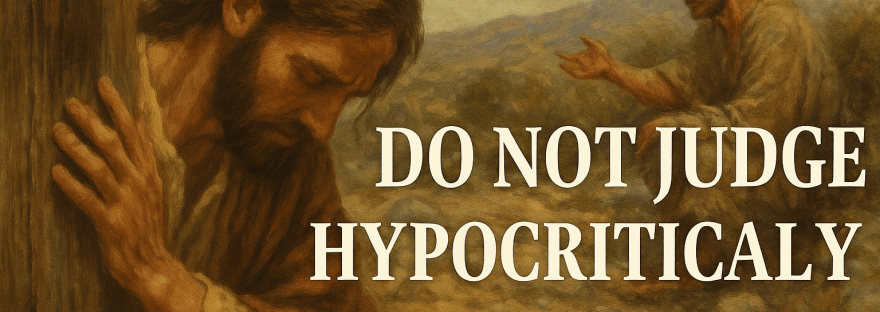
“Let love be without hypocrisy. Abhor what is evil; cling to what is good.”
Romans 12:9

Love does not affirm evil.
Love names it, flees from it, and calls others away from it.
Not from superiority, but from loyalty to the One who is holy.

This kind of love is rare. It is costly. It risks reputation and comfort. But it is the kind of love that Christ modeled and the early Church refused to surrender.


Ignatius of Antioch (AD 107):
“Do not be deceived… those who corrupt families shall not inherit the Kingdom. If they do not repent, they will be separated from God forever.”
Letter to the Ephesians, Ch. 16

Clement of Alexandria (AD 195):
“The physician who fears to use the knife lest he hurt, lets the infection spread. So too the teacher who will not expose falsehood has betrayed love.”
Stromata, Book VII

This was not cruelty—it was courage. They spoke plainly, because eternity was at stake. Their love was loyal to Christ, not to culture.


Today’s Church must recover this kind of love.
Not quarrelsome, but clear.
Not harsh, but holy.
Not soft-spoken when souls are at risk, but bold in loyalty to the truth of the gospel.

We do not love people by abandoning what is true.
We love them by calling them to the One who is the truth.
And when we do, we must be willing to be misunderstood—just as Christ was.


Sources & References

Love That Warns: Truthful in Compassion, Bold in Loyalty

Scripture (NASB 1995):

  • Proverbs 27:5–6 – “Better is open rebuke than love that is concealed…”
  • Revelation 3:19 – “Those whom I love, I rebuke and discipline…”
  • Romans 12:9 – “Let love be without hypocrisy…”
  • John 16:8 – “The Spirit will convict the world concerning sin…”

Ante-Nicene Sources:

  • Ignatius of Antioch, Letter to the Ephesians, Ch. 16.
    “Do not be deceived… those who corrupt families shall not inherit the Kingdom…”
    [Available at: EarlyChristianWritings.com]
  • Clement of Alexandria, Stromata, Book VII.
    “The physician who fears to use the knife… has betrayed love.”
    [Available at: CCEL.org or NewAdvent.org]
2–4 minutes

Leave a comment

Kingdom Discipleship, Kingdom Living

Ambassadors of Another World

The Calling to Represent Christ’s Kingdom in Character, Conduct, and Message

As citizens of the Kingdom of God, we don’t just carry a message—we embody it. We are ambassadors, representing another world in the midst of this one. Our lives speak even louder than our words.

“We are ambassadors for Christ, God making His appeal through us.”
2 Corinthians 5:20


Ambassadors Are Sent by the King

We don’t represent ourselves. We speak on behalf of the One who sent us. This means our lives—our speech, our responses, our posture—must reflect the character of Christ.

“Let your manner of life be worthy of the gospel of Christ.”
Philippians 1:27

“The world sees Christ through our conduct; let it not see Him distorted.”
Ignatius of Antioch, Letter to the Trallians


The Early Church Carried the Kingdom in Word and Deed

They didn’t separate belief from behavior. Their love for one another, forgiveness, holiness, and refusal to retaliate under pressure testified of a better Kingdom.

“They dwell in their own countries, but as sojourners… they love all, and are persecuted by all.”
Letter to Diognetus, ch. 5–6


Ambassadors Live Under Heaven’s Laws

We don’t adapt to the world—we reflect the Kingdom’s culture: humility, integrity, purity, generosity, and mercy. These are not optional—they’re evidence of who we represent.

“The ambassador does not bring his own laws, but the law of the one who sent him.”
Clement of Rome, 1 Clement 47


Ambassadors Must Not Be Silent

While our lives speak, our mouths must also testify. Ambassadors are sent to deliver a message—and ours is the Gospel of reconciliation.

“Woe to me if I do not preach the gospel!”
1 Corinthians 9:16


What We Can Learn

  1. Ambassadors represent the King in word, conduct, and posture.
  2. Our lifestyle should reflect the laws and culture of heaven.
  3. The Church must not lose its voice or its witness.
  4. We are sojourners with a message of hope, not silence.

Sources:

  • The Holy Bible — 2 Corinthians 5:18–20; Philippians 1:27; 1 Peter 2:11–12; 1 Corinthians 9:16; Colossians 4:5–6
  • Letter to Diognetus, ch. 5–6
  • Ignatius of Antioch, Letter to the Trallians
  • Clement of Rome, 1 Clement 47
  • Didache, ch. 4

1–2 minutes

Leave a comment

Kingdom Discipleship, Kingdom Living

Sent by the King

The Mission of the Church

The mission didn’t start in the upper room—it started in the heart of God. Jesus came to seek and save the lost. And now He sends us with that same purpose—not to build our own name, but to proclaim His.

“Go therefore and make disciples of all nations…”
Matthew 28:19


The Church Was Never Meant to Stay Inside the Walls

From the start, the Church was scattered and sent. The Gospel advanced through the witness of everyday believers—fishermen, tentmakers, mothers, laborers. They didn’t wait for a pulpit; they lived their message in public.

“You are the light of the world… A city set on a hill cannot be hidden.”
Matthew 5:14

“We are sent into the world as lambs among wolves, not to fear, but to shine.”
Ignatius of Antioch, Letter to the Romans


The Early Church Was Marked by Movement

“They went everywhere preaching the word.”
Acts 8:4

Persecution didn’t stop the mission—it spread it. Every new city became a new outpost of the Kingdom. They shared the Gospel, taught the commands of Christ, and lived in ways that confronted darkness with light.


Mission Is Not Optional—It’s Our Identity

“You are My witnesses.”
Isaiah 43:10

We are not consumers—we are carriers. Not attendees—but ambassadors. The Church is not a cruise ship. It’s a lifeboat with a rescue mission.

“Let us not waste the time we’ve been given. For our King shall soon return.”
Hermas, Mandate 13


What We Can Learn

  1. We are a sent people with a clear mission.
  2. The early Church fulfilled the Great Commission through faithful witness.
  3. Every believer is called to shine, speak, and serve in their sphere.
  4. We must live with urgency—our King is returning soon.

Sources:

  • The Holy Bible — John 20:21; Matthew 28:18–20; Acts 8:1–4; Matthew 5:14–16; Isaiah 43:10
  • Ignatius of Antioch, Letter to the Romans
  • Hermas, Mandate 13
  • Didache, ch. 10
  • Clement of Rome, 1 Clement 36

1–2 minutes

Leave a comment

God Is Love, Kingdom Discipleship

Love That Endures: Faithful Through Suffering and Trial

From the series “The Love of God: Revealed, Received, and Radiated”

The love of God does not collapse under pressure.
It does not vanish in hardship.
It does not abandon us in the valley or revoke its promise in the storm.

God’s love is not proven in prosperity—it is proven in perseverance.

“Who will separate us from the love of Christ? Will tribulation, or trouble, or persecution, or famine, or nakedness, or danger, or sword?”
Romans 8:35, NASB 1995

Paul’s answer is clear: Nothing.

Not affliction.
Not injustice.
Not loss, sickness, shame, or betrayal.
The love of Christ endures every blow and outlasts every fear.


The world preaches a love that thrives in ease and leaves when it’s tested.
But God’s love is made visible in suffering.
It is in the fire that the gold is refined—and it is in trial that love is proven.

“For I am convinced that neither death, nor life… will be able to separate us from the love of God…”
Romans 8:38–39

This isn’t poetic exaggeration. This was the testimony of believers who lost everything and still clung to the cross. Their faith wasn’t built on comfort—it was forged in suffering.


“Blessed is the one who perseveres under trial; for once he has been approved, he will receive the crown of life which the Lord has promised to those who love Him.”
James 1:12

True love is not seen in how loud our worship is on Sunday—it is seen in how steadfast we remain when everything else is stripped away.
To love God in suffering is to declare that He is worthy—no matter what He gives or withholds.

This was the testimony of the early Church.

They were beaten, imprisoned, starved, and burned.
They were disowned by families, slandered by rulers, and despised by culture.
But they never turned back.
Because they had encountered a love greater than the world could offer—and stronger than the world could break.


The Martyrdom of Polycarp (AD 155):
“Eighty and six years I have served Him, and He has done me no wrong. How then can I blaspheme my King and my Savior?”
Ch. 9

Polycarp did not plead for mercy. He did not curse his enemies. He stood in the flames because he knew the One who walked through fire before him.

Origen of Alexandria (AD 185–254):
“When God delays the suffering of His servants, He strengthens their soul with love, that they may endure to the end.”
Exhortation to Martyrdom, Ch. 20

They weren’t celebrated.
They were crushed.
But in their steadfast love, the Church grew.
Because a faith that endures in suffering speaks louder than a thousand sermons.


If the love of God dwells in us, it will not wither in adversity.
It will not retreat at the threat of loss.
It will hold fast—because it is anchored not in circumstance, but in the God who never changes.

“Though He slay me, I will hope in Him.”
Job 13:15

This kind of love is not a product of personality. It is the fruit of the Spirit. It is the result of walking so closely with Jesus that nothing—not even death—can make us let go.

The Church today must reclaim this witness.
Not a love that flickers in ease, but a love that endures.


Sources & References

Love That Endures: Faithful Through Suffering and Trial

Scripture (NASB 1995):

  • Romans 8:35–39 – “Who will separate us from the love of Christ?”
  • James 1:12 – “Blessed is the one who perseveres under trial…”
  • Job 13:15 – “Though He slay me, I will hope in Him.”

Ante-Nicene Sources:

  • The Martyrdom of Polycarp, Chapter 9.
    “Eighty and six years I have served Him, and He has done me no wrong…”
    [Available at: NewAdvent.org or EarlyChristianWritings.com]
  • Origen, Exhortation to Martyrdom, Chapter 20.
    “He strengthens their soul with love, that they may endure to the end.”
    [Available at: EarlyChristianWritings.com]
3–4 minutes

Leave a comment

Kingdom Discipleship, Kingdom Living

Living Ready

The Bride Keeps Her Lamp Lit

The King is coming—but not everyone will be ready. Jesus warned of those who grew drowsy, whose lamps ran dry, and who were unprepared when the cry rang out: “Here is the Bridegroom!” The early Church heard that cry—and they lived to be found faithful and burning when He arrived.

“Stay dressed for action and keep your lamps burning… for the Son of Man is coming at an hour you do not expect.”
Luke 12:35–40


Readiness Is Devotion, Not Just Information

To be ready isn’t to have charts and timelines—it’s to live with purity, purpose, and passion for Jesus. The wise virgins in Jesus’ parable didn’t have more knowledge—they had oil.

“Those who were ready went in with Him to the marriage feast, and the door was shut.”
Matthew 25:10


The Early Church Watched, Waited, and Witnessed

“Let us walk in vigilance, for the hour is near.”
Didache, ch. 16

They didn’t grow apathetic. Their hope didn’t make them passive—it made them holy. Their love was active. Their devotion was real.

“The Bride must be found without stain, ready for her Lord.”
Hermas, Mandate 11


The Lamp Must Be Filled with Oil

Oil represents intimacy with the Spirit, sustained faith, and a heart fully alive to Christ. The foolish virgins had lamps—but no oil. They looked the part, but they weren’t connected to the source.

“Do not quench the Spirit.”
1 Thessalonians 5:19


Living Ready Is Our Daily Call

To pray.
To repent.
To love.
To endure.
To hope.
To shine.


What We Can Learn

  1. Readiness is a heart posture, not a prophecy chart.
  2. The Bride keeps her lamp lit through intimacy and obedience.
  3. We must not grow sleepy—the hour is nearer than we think.
  4. Those who are ready will reign in joy forever.

Sources:

  • The Holy Bible — Luke 12:35–40; Matthew 25:1–13; 1 Thessalonians 5:6–11, 19; Revelation 19:7–9
  • Didache, ch. 16
  • Hermas, Mandate 11
  • Ignatius of Antioch, Letter to Polycarp
  • Clement of Rome, 1 Clement 35

1–2 minutes

Leave a comment

Kingdom Discipleship, Kingdom Living

A New Heaven and a New Earth

Eternal Glory with Our King

The return of Jesus ushers in more than judgment—it brings restoration. The groaning of creation will end. Death will die. The curse will be reversed. And the saints will dwell forever with their God in a new heaven and a new earth where righteousness dwells.

“Then I saw a new heaven and a new earth… and the dwelling place of God is with man.”
Revelation 21:1–3


The Promise of Eternal Renewal

This is not merely a spiritual promise—it is cosmic redemption. The world that was marred by sin will be made new, not destroyed. God is making all things new (Revelation 21:5).

“Creation itself will be set free from its bondage to corruption…”
Romans 8:21


The Saints Will Reign Forever

“They will reign forever and ever.”
Revelation 22:5

No more sorrow. No more sin. No more separation. The hope of the early Church was not simply to escape this world—but to inherit a perfected one with Christ at the center.

“They shall see His face… and His name will be on their foreheads.”
Revelation 22:4


The Early Church Lived for the City to Come

“Here we have no lasting city, but we seek the city that is to come.”
Hebrews 13:14

They were pilgrims and strangers, not clinging to comfort, but longing for the better country God had prepared for them.

“Let us walk worthily, that we may be found in the land of the living.”
Clement of Rome, 1 Clement 50


Our Hope Is More Than Heaven—It’s Union with Christ

He is the reward. He is the glory. He is the light of that city. The new heavens and new earth are glorious because Jesus will be there, and we will be with Him—forever.


What We Can Learn

  1. Eternity is not escape—it’s restoration and renewal.
  2. The saints will dwell in a real, perfect world with Christ.
  3. Our hope is not just heaven—it’s union with Jesus.
  4. Living for that day empowers purity, endurance, and joy.

Sources:

  • The Holy Bible — Revelation 21:1–7; Revelation 22:1–5; Romans 8:18–25; Hebrews 13:14; 2 Peter 3:13
  • Clement of Rome, 1 Clement 50
  • Hermas, Similitudes 2
  • Didache, ch. 10
  • Ignatius of Antioch, Letter to the Smyrnaeans

2–3 minutes

Leave a comment

God Is Love, Kingdom Discipleship

Love in Holiness: Set Apart by Love, Not Lawlessness

From the series “The Love of God: Revealed, Received, and Radiated”

Love is not permission to do what is right in our own eyes.
It is the power to do what is right in God’s.

The love of God is not passive. It is purifying.
It does not lower the standard—it fulfills it.
It does not ignore sin—it rescues from it.

If God is love, and that love now lives in us, then we must live as He lived—in holiness.

“Just as He who called you is holy, so be holy also in all your behavior; because it is written: ‘You shall be holy, for I am holy.’”
1 Peter 1:15–16

Holiness is not legalism. It is not asceticism.
Holiness is the character of God reflected through the life of a redeemed person.
And it is inseparable from love.


The Church was never meant to be known for compromise or cold religion. It was meant to be known by a love that obeys.

“For this is the love of God, that we keep His commandments; and His commandments are not burdensome.”
1 John 5:3

The love of God does not cancel the Word of God—it confirms it. It doesn’t reject commands; it makes them possible. Only a transformed heart can fulfill what God requires. That transformation is the work of His Spirit, not our self-discipline.

We don’t love God by dismissing His boundaries.
We love Him by walking in His ways.


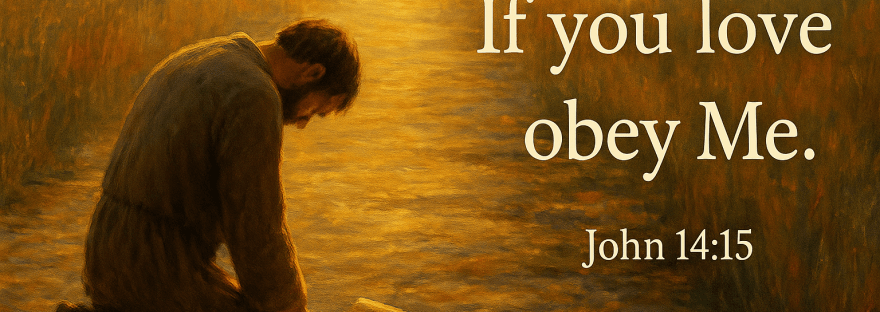
“If you love Me, you will keep My commandments.”
John 14:15

These are the words of Jesus—not to enslave, but to awaken.
Holiness is not just abstaining from evil.
It is the pursuit of what is beautiful in God’s sight.

The early Church knew this. They rejected the world’s pleasures not out of pride, but out of devotion. They separated themselves from idolatry, immorality, and deceit—not because they were better, but because they had been born again.

Their love for God was visible in their choices.
Their desire for holiness was rooted in the cross.
They did not earn salvation—they walked in the salvation they had received.

The Didache (c. AD 50–100):
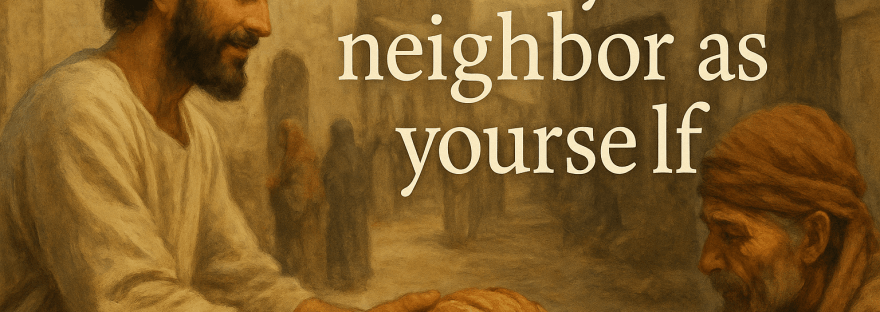
“There are two ways: one of life, and one of death… and this is the way of life: First, you shall love God who made you. Second, your neighbor as yourself… and whatsoever you do, do it in holiness and in the fear of God.”
Didache, Chapters 1–3


The love of God is not just a message to receive.
It is a life to be lived.

And if it is truly in us, we will hate what is evil and cling to what is good (Romans 12:9).
We will set aside every sin that entangles, because we have seen something better.
And we will walk in a purity that comes not from self-effort, but from surrender.

“Pursue peace with all men, and the sanctification without which no one will see the Lord.”
Hebrews 12:14


The Church today must remember what the Church once knew:
God’s love is holy.
It does not excuse sin—it delivers from it.
It does not affirm rebellion—it calls us into restoration.
It is not lawless—it is loyal to the heart of God.

To love Him is to walk as He walked.
To belong to Him is to be set apart.
And to be set apart is not to withdraw in pride—but to shine in purity.

We are not called to reflect the world.
We are called to reflect Christ.


Sources & References

Love in Holiness: Set Apart by Love, Not Lawlessness

Scripture (NASB 1995):

  • 1 Peter 1:15–16 – “Be holy, for I am holy.”
  • 1 John 5:3 – “This is the love of God, that we keep His commandments…”
  • John 14:15 – “If you love Me, you will keep My commandments.”
  • Romans 12:9 – “Abhor what is evil; cling to what is good.”
  • Hebrews 12:14 – “Pursue sanctification, without which no one will see the Lord.”

Ante-Nicene Source:

  • The Didache, Chapters 1–3.
    “There are two ways: one of life, and one of death… and whatsoever you do, do it in holiness…”
    [Available at: EarlyChristianWritings.com/didache.html]
3–4 minutes

Leave a comment

Kingdom Discipleship, Kingdom Living

The King Will Return

And Every Eye Will See Him

The return of Jesus is not symbolic, secret, or spiritualized—it is literal, visible, and global. Just as He ascended in the clouds, He will descend in power and glory. This is the climactic moment all of history moves toward.

“Behold, He is coming with the clouds, and every eye will see Him…”
Revelation 1:7


His Return Will Not Be Hidden

“This same Jesus… will come in the same way as you saw Him go into heaven.”
Acts 1:11

Jesus will not return in secret. He will return as King of kings and Judge of all, visible to all peoples, tribes, and nations. The early Church never doubted this—they declared it with certainty and hope.

“He shall come again in glory to judge the living and the dead.”
Apostles’ Creed


The Resurrection and the Gathering of the Saints

“The dead in Christ will rise first… then we who are alive… will be caught up together with them in the clouds…”
1 Thessalonians 4:16–17

This is the blessed reunion of the Bride and Bridegroom. Not mythology. Not metaphor. This is the long-awaited day when Christ returns for His own.


Every Knee Will Bow, Willingly or Not

“At the name of Jesus every knee should bow… and every tongue confess…”
Philippians 2:10–11

For some, it will be joy. For others, dread. The difference lies in whether we knew Him as Savior or rejected Him as Lord.


The Early Church Lived for This Day

“Let us not grow weary, for He will soon appear.”
Clement of Rome, 1 Clement 23

They didn’t speculate on the timing—they lived in readiness. They looked to the sky, not in fear, but in faith. Their hearts were anchored in the certainty that the King was coming.


What We Can Learn

  1. Jesus will return visibly, gloriously, and victoriously.
  2. All people will see Him—and respond with either joy or fear.
  3. The resurrection and gathering will be real and glorious.
  4. Readiness means living with our eyes and hearts lifted.

Sources:

  • The Holy Bible — Revelation 1:7; Acts 1:9–11; 1 Thessalonians 4:16–18; Matthew 24:27–31; Philippians 2:10–11
  • Clement of Rome, 1 Clement 23
  • Apostles’ Creed
  • Ignatius of Antioch, Letter to the Trallians
  • Didache, ch. 16

2–3 minutes

Leave a comment

Kingdom Discipleship, Kingdom Living

Not Appointed to Wrath

Hope in the Midst of Tribulation

The return of Christ is not just about what happens then—it’s about how we live now, especially in seasons of hardship and persecution. The early Church knew what it meant to suffer. But they held to a truth that sustained them: they were not appointed to wrath.

“For God has not destined us for wrath, but to obtain salvation through our Lord Jesus Christ.”
1 Thessalonians 5:9


Wrath Is God’s Judgment—Tribulation Is the World’s Hatred

Jesus warned that His followers would face tribulation (John 16:33), but He also promised they would not face the wrath of God. The early Church expected persecution from men, but deliverance from divine judgment.

“In the world you will have tribulation. But take heart; I have overcome the world.”
John 16:33


The Early Church Suffered, but Trusted in Rescue

They knew trials would come—but they looked beyond them. Their hope wasn’t in escaping all pain. It was in being preserved through it, and ultimately, delivered by Christ Himself.

“The faithful are not kept from the fire, but through it. The Lord knows how to rescue the godly.”
Clement of Rome, 1 Clement 55


Wrath Is for the Unrepentant, Not the Redeemed

“Much more then… shall we be saved by Him from the wrath of God.”
Romans 5:9

Jesus bore wrath once and for all on the cross. Those in Christ are covered. This promise gave the Church courage—even when Rome’s sword threatened them.


Enduring with Hope

Even in the fiercest trial, the early saints knew they were in the Lamb’s hands. Their hope was not shaken by what man could do. They feared no wrath, because they were sealed with love.

“The storm may rage, but it cannot breach the walls built by the blood of Christ.”
Hermas, Similitudes 9


What We Can Learn

  1. Believers are appointed to salvation, not wrath.
  2. Tribulation purifies the Church—wrath destroys the wicked.
  3. God promises presence in trial and rescue from judgment.
  4. Our security is rooted in Christ’s finished work.

Sources:

  • The Holy Bible — 1 Thessalonians 5:9; John 16:33; Romans 5:9; 2 Peter 2:9; Revelation 3:10
  • Clement of Rome, 1 Clement 55
  • Hermas, Similitudes 9
  • Didache, ch. 16
  • Ignatius of Antioch, Letter to the Magnesians

2–3 minutes

Leave a comment

Kingdom Discipleship, Kingdom Living

The Bride and the Blessed Hope

Why the Return of Christ Is the Longing of His People, Not Just a Doctrine to Debate

The Second Coming isn’t just a theological position—it’s the burning hope of the Bride. It’s not merely about being right on charts or views—it’s about being ready for the return of the One we love.

“Waiting for our blessed hope, the appearing of the glory of our great God and Savior Jesus Christ.”
Titus 2:13


Hope Is Not Passive—It’s Personal

“And everyone who thus hopes in Him purifies himself as He is pure.”
1 John 3:3

This hope transforms us. The Bride doesn’t sit idly; she prepares. She watches. She longs. She keeps her lamp full, not to escape the world, but to meet her Bridegroom with joy.


The Early Church Was a Watching Bride

They didn’t debate whether He would return—they lived as if He might come any day. Their gatherings, prayers, fastings, and writings reflected this urgency.

“Let your lamps be burning and your hearts pure, for you know not the hour.”
Didache, ch. 16

“They waited not with fear but with longing.”
Ignatius of Antioch, Letter to the Ephesians


The Blessed Hope Anchors Our Endurance

In persecution, they lifted their eyes. In suffering, they remembered the promise. They didn’t need every detail of end-times worked out—they needed to know the King was coming for them.

“Look up, for your redemption draws near.”
Luke 21:28


The Church Today Needs This Same Hope

Not to escape hardship, but to stay faithful in it. Not to speculate, but to stay ready. This hope is not meant to distract us—it’s meant to purify us.


What We Can Learn

  1. The Second Coming is a relationship, not a theory.
  2. The Bride watches, waits, and prepares with joy.
  3. The blessed hope produces holiness and courage.
  4. Longing for Christ keeps our hearts burning and focused.

Sources:

  • The Holy Bible — Titus 2:13; 1 John 3:2–3; Luke 21:28; Revelation 19:7–9
  • Didache, ch. 16
  • Ignatius of Antioch, Letter to the Ephesians
  • Clement of Rome, 1 Clement 23
  • Hermas, Mandate 11

1–2 minutes

Leave a comment