Faith Worthy of the Kingdom, Kingdom Discipleship

Love Your Enemies: The Testimony of the Martyrs

From the Series: Ordinary Saints: Lessons from the Ante-Nicene Church

Scripture quotations are from the New King James Version®.
Copyright © 1982 by Thomas Nelson. Used by permission. All rights reserved.

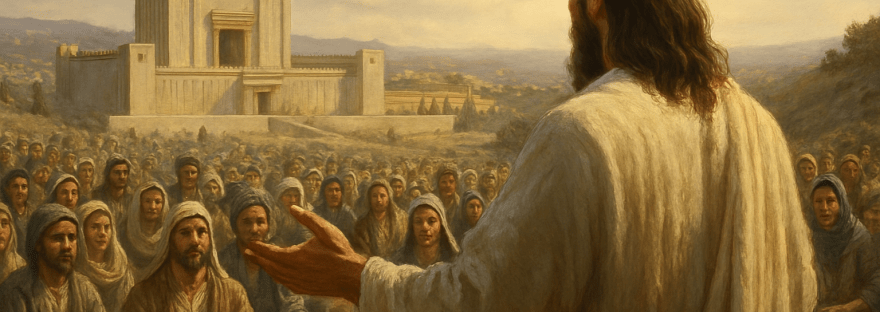
In a world where power is often linked with violence and justice with vengeance, Jesus’s teachings stand in stark contrast. Among His commands, none is more challenging than loving one’s enemies. As Jesus said, “Love your enemies and pray for those who persecute you” (Matthew 5:44). This radical love sets Kingdom people apart from the world.

“Love your enemies and pray for those who persecute you.”
Matthew 5:44

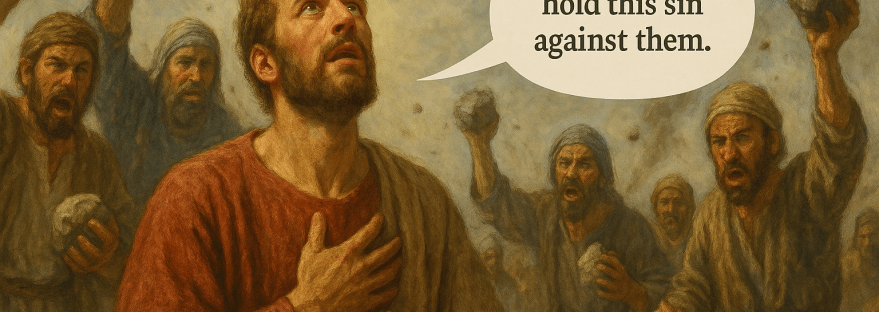
For early Christians, loving their enemies showed loyalty to Christ. Following Jesus meant imitating His love, even through betrayal or threats of death. Instead of killing, they chose to die, echoing Christ’s words: “Father, forgive them, for they know not what they do” (Luke 23:34). This forgiveness was their core witness, placing God’s law of love above any earthly ties.

Throughout history, societies have justified violence by appealing to justice, protection, or patriotism. But the Ante-Nicene Christians rejected these reasons. They were not pacifists because of weakness. Instead, they were peacemakers empowered by the Spirit.

They refused to retaliate, enlist in the military, or occupy positions that required acts of violence. They consistently chose the cross instead of the sword.

“It is not lawful for a Christian to bear arms for any earthly consideration.”
Tertullian, On Idolatry 19

“We who formerly used to kill one another now not only refuse to make war upon our enemies, but gladly die confessing Christ.”
Justin Martyr, First Apology 39

Killing, whether in self-defense or war, denied Christ’s call to love. Bearing Jesus’s name meant imitating His peaceful response to threats and pain. As Tertullian said, “It is not lawful for a Christian to bear arms for any earthly consideration.” Early Christians lived out Justin Martyr’s words: “We who formerly used to kill one another now not only refuse to make war upon our enemies, but gladly die confessing Christ.”

“Father, forgive them, for they know not what they do.”
Luke 23:34

They believed Jesus’s self-sacrifice called them to willingly give up their lives. Dying without violence was not failure, but a testimony of faith. Tertullian said, “The blood of the martyrs is the seed of the Church” (Apology 50); their martyrdom strengthened, not stained, their witness.

Pagans and Roman authorities were confounded by this behavior. How could individuals face death calmly, praying, forgiving, and singing? Their love spoke more powerfully than the roar of lions; their peace silenced the jeers. Both their lives and deaths proclaimed a Kingdom not of this world—a Kingdom shaped by Jesus’s words and example.

Today, some Christians justify violence in the name of freedom or justice. Yet, the example of the early Church demonstrates that Christ died so that believers might lay down their rights rather than defend them. This call to love is not limited to times of persecution. In our own lives, at work, in families, with neighbors, when we are wronged, Jesus’s words, “Pray for those who persecute you,” take practical form. Christians can choose forgiveness over revenge, reconciliation over resentment, and truth spoken in love over harsh words. By practicing this radical love, the teaching of Jesus becomes visible in our world.

Kingdom citizenship requires radical obedience to the law of Christ, which is love. This obedience does not signify weakness. Instead, it represents a different form of warfare, one that overcomes evil not through force but through forgiveness.

What We Can Learn Today

  1. The early martyrs’ refusal to retaliate, even in the face of death, reveals the radical love that Jesus calls His followers to embody. Their actions remind us that love for one’s enemies is not just a lofty idea but the distinguishing mark of a true disciple. Killing, whether in retaliation or in service to any earthly power, stands in direct contradiction to Christ’s command: “Love your enemies.”
  2. Martyrdom, for these believers, was not the loss of a life but the fulfillment of one. By choosing the cross over the sword, they showed that following Christ means embracing His prayer, “Father, forgive them,” even when hatred surrounds us. To reclaim a theology of the cross is to make it not just a symbol but a way of life: loving those who harm us, trusting that forgiveness is more powerful than violence, and living by a standard defined not by what we’re willing to kill for, but by what we’re willing to die for. This legacy of love and sacrifice continues to challenge and inspire the world today.

To live out this radical love, act now: Pray for someone who has wronged you. Forgive a recent offense, even if it seems minor. Reach out to reconcile with those in conflict. Let go of resentment and seek ways to serve those who oppose you. These simple yet courageous choices reveal Christ’s transforming love, a legacy that begins with one bold step today. Take time to forgive a hurt or offense, even if it is small. Reach out to someone you are in conflict with and offer a word of reconciliation or kindness. Choose to let go of resentment or the desire to retaliate, and instead look for ways to serve or bless those who oppose you. Small acts of grace in daily life open our hearts to the transforming power of Christ’s love. In these moments, the teaching of Jesus and the example of the martyrs become real and visible in our world.


Sources:

  • The Holy Bible — Matthew 5:44; Luke 23:34
  • Tertullian, On Idolatry 19; Apology 50
  • Justin Martyr, First Apology 39
  • Origen, Against Celsus, Book 8
  • The Epistle to Diognetus, c. AD 130–200

Faith Worthy of the Kingdom, Kingdom Discipleship

How the Ante-Nicene Christians Interpreted Scripture

From the Series: Ordinary Saints: Lessons from the Ante-Nicene Church

Scripture quotations are from the New King James Version®.
Copyright © 1982 by Thomas Nelson. Used by permission. All rights reserved.

Contemporary approaches to Scripture frequently reflect denominational backgrounds, academic training, or philosophical frameworks. In contrast, the earliest Christians, those preceding the Council of Nicaea, exemplified a simple, Spirit-led, and grounded method of personal faithfulness. Their convictions were shaped primarily by direct experience and the guidance of the Holy Spirit, rather than by formal theological constructs. This distinction constitutes the central lesson of their legacy. Reflecting on these differences can encourage our group to consider how we engage with Scripture today. By drawing inspiration from the early church’s emphasis on simplicity and shared spiritual discernment, we may find meaningful ways to reexamine our own approach, prioritizing openness to the Spirit and a humble pursuit of faith together.

Prior to the establishment of creeds and councils that defined orthodoxy, these believers relied exclusively on God’s written Word. Although the New Testament canon was formalized later, the early church regarded apostolic writings as inspired and authoritative. Irenaeus affirmed, “The Scriptures are indeed perfect, since they were spoken by the Word of God and His Spirit.”

For these early Christians, Scripture was considered sufficient. Their focus remained on faithfully practicing its teachings rather than constructing elaborate theological systems.

Ante-Nicene Christians regarded the Holy Spirit as the Church’s primary Teacher. They drew upon passages such as 1 John 2:27: “The anointing you received from Him abides in you, and you have no need that anyone should teach you… His anointing teaches you about everything.” Their writings emphasize humility, prayer, and fasting in the pursuit of understanding, rather than reliance on tradition or doctrinal development.

This approach did not reflect individualism or rebellion but rather Spirit-led submission to the authority of Scripture. They trusted the Spirit to illuminate the Word for all believers, not solely for a select few.

The early Christians adhered to Scripture literally and uncompromisingly, enacting Jesus’ commands such as loving enemies and practicing radical forgiveness, even when this resulted in suffering. For example, during the persecution of Christians under Roman rule, many early believers responded to violence not with retaliation but with prayer and acts of kindness toward their persecutors. Accounts describe martyrs who forgave their executioners, imitating Jesus’ call to love one’s enemies even in the face of death. Such stories demonstrate how these Christians embodied Christ’s teachings not as abstract ideals but as daily practices that shaped their lives and witness.

  • Do not resist an evil person.
  • Give to those who ask.
  • Turn the other cheek.

For these believers, Christ’s words were not merely admired; they were actively put into practice.

Allegorical interpretation emerged later, introduced by thinkers such as Origen and Clement of Alexandria, who were influenced more by Greek philosophy than by the early church’s emphasis on direct obedience. While allegory represented a departure from earlier straightforward readings, it has nonetheless enriched Christian understanding for many believers throughout history. Acknowledging the valuable contributions of allegorical interpretation allows us to respect the diversity of traditions within the Christian community.

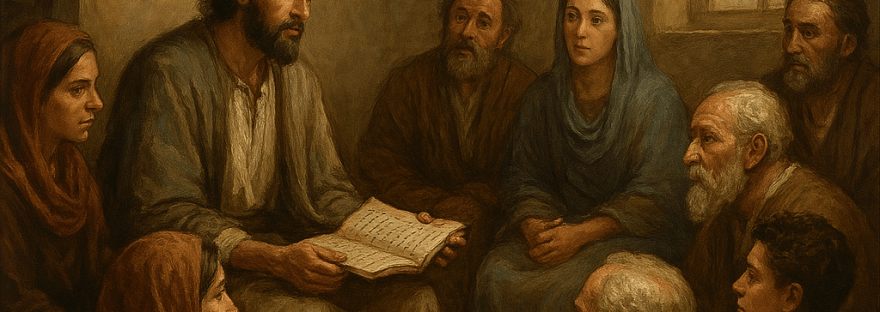
Scripture was not interpreted in isolation. Early Christians gathered in homes, read the Gospels and Epistles aloud, and sought the Spirit’s guidance together. Despite lacking formal education, they recognized the clarity and power of God’s Word. As Clement of Rome urged, “Let us therefore hold steadfastly and unceasingly to our hope and the guarantee of our righteousness, who is Jesus Christ… Let us look steadfastly to Him.”

Ante-Nicene Christians aspired to be faithful servants rather than theologians. Their primary objective was transformation and obedience, rather than intellectual mastery.

What lessons can be drawn from their example for contemporary practice? In our group, we might apply these lessons through tangible practices such as praying together for the Spirit’s guidance before our discussions, reading Scripture aloud as a community, and sharing reflections on how we sense the Spirit leading us in our application of the text. We could also set aside regular times for group study, encourage each member to ask questions, and support one another in living out Jesus’ specific teachings in daily life. By incorporating these simple practices, we can more closely embody the early church’s approach.

  • The Holy Spirit should be trusted to lead believers into a true understanding of Scripture.
  • Prioritizing living out Jesus’ explicit commands is more important than generating complex theological systems.
  • Studying Scripture together in community helps believers discern its meaning more clearly.
  • Every developed doctrine should always be compared to Scripture’s plain meaning first.

By following the example of the Ante-Nicene Christians, it is possible to rediscover a faith that is simple, humble, and deeply rooted in the living Word of God. In such a faith, Scripture, illuminated by the Spirit and embodied within an obedient community, serves as the foundation.


Sources:

  • The Holy Bible — 1 John 2:27
  • Irenaeus, Against Heresies, 2.28.2
  • Clement of Rome, 1 Clement 36
  • Acts 2:42; John 14:26
Faith Worthy of the Kingdom, Kingdom Discipleship

The Kingdom Constitution: Living the Sermon on the Mount

From the Series: Ordinary Saints: Lessons from the Ante-Nicene Church

Scripture quotations are from the New King James Version®.
Copyright © 1982 by Thomas Nelson. Used by permission. All rights reserved.

When approaching the Bible, it is essential to allow the text to speak for itself, free from modern preferences, cultural accommodations, or allegorical interpretations. For example, when reading “love your enemies” in Matthew 5:44, rather than explaining the instruction away or adapting it to fit personal comfort, a consistent hermeneutic would prompt us to consider how we might actively bless those who oppose us in daily life. This principle is especially evident in Jesus’ Sermon on the Mount (Matthew 5–7). Contrary to interpretations that regard these teachings as mere ideals or poetic encouragements, Jesus was presenting the constitution of His Kingdom. He established a blueprint for a radically different way of life, in which the King’s standards and values govern every citizen’s conduct.

The early Church, particularly the Ante-Nicene Christians, exemplified literal obedience. They did not reinterpret Jesus’ commands; they structured their lives around them. For these believers, the Sermon on the Mount was not optional; it constituted the law of the Kingdom. Holiness, humility, mercy, justice, and love were regarded as essential. This form of discipleship influenced their relationships, responses to suffering, and treatment of adversaries. Concrete practices included refusing to swear oaths, declining military service, pooling and sharing possessions to care for those in need, rejecting lawsuits against fellow believers, and greeting one another with a holy kiss as a sign of peace. They were known for praying for their enemies, offering hospitality to strangers, and refusing to participate in violence even under persecution.

Consider the Beatitudes. Jesus blesses the meek, merciful, persecuted, and pure in heart, rather than the powerful. He defines the character of all Kingdom citizens. “Blessed are the peacemakers, for they shall be called sons of God” (Matthew 5:9) is not merely a slogan but a divine expectation. Early Christians interpreted this literally, blessing persecutors, refusing retaliation, giving generously, speaking truthfully, turning the other cheek, and rejecting violence, even at personal cost.

This obedience influenced their public life. They abstained from military service, capital punishment, and professions that required causing harm. Their ultimate allegiance was to the Kingdom of God. Their convictions were explicit: Christ was their King, the Church their nation, and the Sermon on the Mount their law. Their citizenship was in heaven (Philippians 3:20), and they lived as ambassadors of a foreign Kingdom (2 Corinthians 5:20).

This commitment frequently resulted in their marginalization. They declined political power, avoided civil offices that required judgment or violence, and obeyed authorities only when such obedience did not conflict with Christ’s commands. When compelled to choose, they echoed the apostles: “We must obey God rather than men” (Acts 5:29). Their obedience cost them status, employment, homes, and sometimes their lives, yet they did not exchange Kingdom loyalty for personal security.

In contrast, the modern Church frequently discusses the Kingdom but often neglects its practical application. We defend our rights, pursue comfort, and oppose perceived adversaries, even when such actions contradict Christ’s commands. Yet Jesus warns: “Not everyone who says to Me, ‘Lord, Lord,’ will enter the Kingdom of Heaven, but the one who does the will of My Father…” (Matthew 7:21). Even as we recognize these challenges, we are not left to strive alone. God’s grace meets us in our weakness, and the Holy Spirit empowers us to walk in obedience and become more like Christ. With confidence in God’s faithfulness, we can pursue genuine Kingdom living, trusting that His help is present for all who seek to follow Him.

Living according to a consistent hermeneutic and strict exegesis requires that we embody the values of the Kingdom, rather than simply admire them. Let us move beyond passive acknowledgment and commit to visible, costly allegiance to the King and His commands in the present. Choose today to practice the Sermon on the Mount with unwavering faithfulness.

To begin, choose one person who has been difficult for you and pray for them each day this week, asking God to bless them. Additionally, find a practical way to show generosity, such as sharing a meal, time, or resources, with someone in need. These simple steps move Christ’s teachings from theory to action in daily life.


What We Must Recover

  1. A literal commitment to the Sermon on the Mount
  2. An identity rooted in the Kingdom of God, not the kingdoms of men
  3. An allegiance to Christ that shapes all relationships, actions, and responses
  4. A visible difference that causes the world to take notice

Sources:

  • The Holy Bible — Matthew 5–7; Philippians 3:20; 2 Corinthians 5:20; Acts 5:29
  • Letter to Diognetus, c. AD 130–200
  • Origen, Against Celsus (on refusal to join the military)
  • Justin Martyr, First Apology (on obedience to Christ over Caesar)

Faith Worthy of the Kingdom, Kingdom Discipleship

Servant Leadership: Lessons from the Early Church

From the Series: Ordinary Saints: Lessons from the Ante-Nicene Church

Scripture quotations are from the New King James Version®.
Copyright © 1982 by Thomas Nelson. Used by permission. All rights reserved.

Today, many churches see titles, leadership roles, and hierarchies as signs of faithfulness. But the first Christians, from AD 33 to AD 325, followed a different approach. Their leaders focused on serving Christ with humility instead of seeking authority over others.

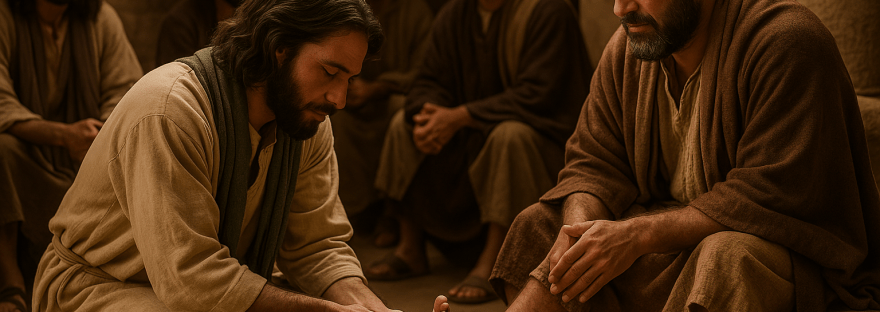
For early Christians, being a leader meant showing self-denial and humility and guiding others by example rather than holding official positions. For example, when the apostle Paul traveled and established new communities, he often supported himself by working as a tentmaker instead of drawing on church resources (Acts 18:3). This choice signaled to others that leadership was about service and sacrifice, not personal gain or status.

Jesus articulated this principle in the following statement:

“The greatest among you shall be your servant. Whoever exalts himself will be humbled, and whoever humbles himself will be exalted.”
Matthew 23:11–12

For the early church, these words described how they actually lived. Leaders stayed close to the community, sharing meals, burdens, prayers, and even facing persecution together. Titles like “Reverend,” “Most Holy,” or “Bishop” in the formal sense were unknown to the first believers.

Paul called himself a servant of Christ (Romans 1:1), not someone above others. In the same way, Peter described himself as a fellow elder (1 Peter 5:1), not as someone who ruled over the group.

The early church recognized elders and deacons, but saw them as roles of service rather than official titles. Elders led by example (1 Peter 5:2–3), taught others, and protected the group from false teachings. Deacons took care of the church’s practical needs (Acts 6:1–6). Today, many churches have leaders with similar roles, such as pastors, board members, or ministry coordinators, but these positions can sometimes shift away from their original spirit of humble service. By remembering the example of the early church, modern leaders can reclaim a focus on serving others, guiding by example, and caring for both spiritual and practical needs with humility.

These leaders did not set themselves apart with special clothing or higher status, nor did they live separately from others. Instead, they worked with their hands and often faced poverty and hardship together with the rest of the church.

“We do not speak great things—we live them.”
Cyprian, c. AD 250

As the church became more influential, especially after Constantine, some leaders started to accept support from the state, as well as wealth and power. Before this change, most early leaders did not seek status.

Many early leaders turned down positions of authority or stayed out of the spotlight. They saw leadership not as something to chase, but as a duty assumed by those who had already shown strong character.

“Let no one exalt himself… let the honor be given by others, not seized for oneself.” These leaders knew their own limits and avoided anything that might distract them from serving Christ and the community.

Early Christians kept things simple and met in homes to worship. Their meetings were guided by the Spirit, not by performance. There were no stages, lights, or platforms. Instead, they focused on Scripture, prayer, encouraging each other, and sharing bread together (Acts 2:42).

This simplicity did not equate to poverty, but to freedom. It was not about being poor, but about freedom from systems and showy religion, so they could focus fully on Christ and being together. Over time, leadership has become professionalized, physical structures have replaced home gatherings, and formal titles have replaced close relationships. This shift has frequently resulted in a diminished witness to society at large.

To recapture the spirit of the early church, leaders today can take practical steps such as creating space for informal gatherings in homes, sharing meals and honest conversations, and emphasizing service and relationship over titles and positions. By inviting input from others and modeling humility in everyday actions, modern leaders can guide their communities back to simplicity, authenticity, and a deeper sense of shared purpose.

Still, the early church’s example reminds us to return to serving others, living simply, and seeking a real spiritual life, rather than just looking back with nostalgia. No matter where you are on your leadership journey, remember that every act of humility, service, and genuine care makes a real difference. Be encouraged—your example can inspire others and help build a stronger, more authentic community rooted in the spirit of Christ.


What We Can Learn

  1. True leadership is service.
  2. Simplicity fosters authenticity.
  3. The body of Christ thrives when every member is honored.
  4. We must guard against the temptation to elevate systems over Spirit-led relationships.

Sources:

  • The Holy Bible — Matthew 23:11–12; Romans 1:1; 1 Peter 5:1–3; Acts 2:42; Acts 6:1–6
  • Cyprian, Epistles, c. AD 250
  • Didache, ch. 15
Faith Worthy of the Kingdom, Kingdom Discipleship

From Jerusalem to the World: How Early Christianity Spread Without Power or Privilege

From the Series: Ordinary Saints: Lessons from the Ante-Nicene Church

Scripture quotations are from the New King James Version®.
Copyright © 1982 by Thomas Nelson. Used by permission. All rights reserved.

A small group of disciples in Jerusalem started a movement that spread across empires, even though they had no political power, printing presses, or grand buildings. Before the Council of Nicaea in AD 325, Christianity had already grown widely. This growth did not follow the usual patterns. Instead of using the tools and strategies we might expect today, the gospel spread through persecution, radical love, and faithful obedience to Christ. As we reflect on the remarkable impact made by these ordinary people, we can consider how our own faith and daily actions might influence those around us. What difference could we make if we lived with the same courage, love, and commitment?

At the heart of this movement was Jesus’ clear final command:

“You will be my witnesses in Jerusalem, and in all Judea and Samaria, and to the ends of the earth.”
Acts 1:8

By the end of the book of Acts, the gospel had reached Rome, but this was just the start. In the first three centuries, Christianity kept growing—not because of organized mission boards or big campaigns, but because everyday believers lived out their faith in markets, fields, prisons, and homes across the Roman Empire. Ordinary Christians quietly shared meals with their neighbors, cared for the sick during plagues, offered comfort to those in prison, and welcomed strangers into their homes. In everyday routines—shopping in marketplaces, working side by side in fields, or supporting those in need—they spoke about Jesus and lived out his teachings. Their faith was evident in small acts of kindness, generosity, and hospitality, making the gospel message real to those around them.

Persecution was harsh and ongoing in many places. Yet the early Christians found their courage and strength in prayer, in their close-knit communities, and in the hope they held in Christ’s promises. When they gathered to pray, supported one another, and remembered the example and teachings of Jesus, their faith was renewed. Surprisingly, instead of stopping the spread of the gospel, opposition actually helped it grow faster.

“The blood of the martyrs is the seed of the church.”
Tertullian, Apology 50

Persecution did not silence believers. Instead, it made them bolder. Their courage, joy, and steady refusal to give up their faith drew attention. Many people were inspired to believe after seeing Christians face lions, fire, and swords, often showing peace and forgiveness.

Even though the church often grew in secret, it was still seen through its community life. Christians met in homes (Romans 16:5), shared meals, and welcomed strangers. As they traveled for work or trade, they spread the gospel. They did not have church buildings or formal budgets, but changed lives, and the lasting message of the gospel made up for it.

By the early fourth century, Eusebius noted that churches could be found in almost every city and village across the empire:

“The word of salvation was zealously preached… churches were multiplied and grew from small beginnings.”
Eusebius, Church History 8.1

By AD 300, the Church’s influence had spread in remarkable ways:

  • Italy and Rome: The church thrived despite intense persecution.
  • North Africa: This region was home to important figures such as Tertullian and Cyprian.
  • Egypt and Alexandria were major centers of early Christian thought and teaching.
  • Asia Minor: This area had lively churches started during Paul’s time, many of which continued to grow.
  • Gaul (modern France): Known for early martyrdoms, including those in Lyon.
  • Germany and Britain: Evidence shows Christian communities were present by the late second to third centuries.
  • Persia, Armenia, and regions further east: The gospel spread east long before Rome officially recognized Christianity.

The gospel reached many parts of the world before it was legally recognized in the Roman Empire.

This remarkable growth was not led by famous pastors or government-backed missionaries. Instead, it was carried by slaves, merchants, mothers, soldiers, and widows—ordinary people who knew they were part of something lasting. In the same way, each of us today has the opportunity to make a difference through our everyday actions and relationships. Just as the early believers shaped history by living out their faith in practical ways, we too can have a lasting impact on our workplaces, neighborhoods, and communities when we follow Christ with courage, love, and faithfulness.

“Christians are not distinguished from the rest of mankind by country, language, or customs… yet they display a wonderful and striking way of life.”
Letter to Diognetus, c. AD 130–200

Early Christians showed their beliefs through their actions, led by example, and shared their faith through loving deeds. How can we put our faith into practice today, just as they did in their time? I invite each of you to share one way you can live out your faith through your actions this week, whether in your workplace, home, or community. By reflecting together, we can encourage and inspire each other to make a difference.


What We Learn Today

  1. You don’t need a platform to spread the gospel. You need obedience.
  2. The Spirit leads the willing. Many early Christians didn’t plan to evangelize—they simply refused to hide Christ.
  3. The gospel is not bound by borders. Even in places where persecution raged, the church thrived.
  4. We must recover the simplicity and power of everyday witness. Before there were systems, there were saints who walked with Christ and changed the world.

Sources:

  • The Holy Bible — Acts 1:8; Romans 16:5
  • Tertullian, Apology 50
  • Eusebius of Caesarea, Church History, Book 8
  • Letter to Diognetus, c. AD 130–200
  • Stark, R. (1996). The Rise of Christianity. HarperOne

Faith Worthy of the Kingdom, Kingdom Discipleship

Echoes of the Early Church: Living Faith Before Nicaea

From the Series: Ordinary Saints: Lessons from the Ante-Nicene Church

Scripture quotations are from the New King James Version®.
Copyright © 1982 by Thomas Nelson. Used by permission. All rights reserved.

The Ante-Nicene Christians were followers of Jesus who lived between AD 33 and AD 325, after Christ’s ascension and before Christianity became an official institution under Emperor Constantine at the Council of Nicaea. These believers formed the church at its most authentic, facing deep persecution while relying completely on the Holy Spirit. Although they are rarely mentioned in modern churches or Christian media, they played a vital role in keeping and sharing the gospel during difficult times. Their reliance on the Spirit and perseverance through hardship offer a powerful example for our faith journeys today. In a world where Christians may face unique challenges, the courage, unity, and dependence on God shown by these early believers can encourage us to trust the Holy Spirit’s guidance and remain faithful no matter our circumstances.

Instead of creating new traditions on their own, these Christians were direct spiritual descendants of the Apostles’ disciples. They followed the oral teachings and Scriptures passed down by leaders like Paul, Peter, and John. For example, Polycarp learned from the Apostle John, and Clement of Rome knew Paul. These early leaders shared not just the teachings of Scripture, but also examples of holy living, humility, and sacrificial love.

“Let us then draw near to Him in holiness of soul, lifting up pure and undefiled hands unto Him, loving our gracious and compassionate Father…”
Clement of Rome, 1 Clement 29

Scripture was at the heart of their lives, but they did not interpret it using man-made systems or changing theology. They believed the Holy Spirit, who inspired the Word, would also help them understand it. Through prayer, fasting, and faithful obedience, they looked to God for guidance to understand and live out Christ’s message (John 14:26; 1 John 2:27). Today, we can follow their example by praying before reading the Bible and asking the Spirit for insight. Discussing Scripture together as a group and listening for the Spirit’s direction in conversation are also ways we can invite His guidance. Setting aside quiet moments to reflect and share what God is teaching us, or even joining together in times of fasting and prayer, can help make our Bible study more Spirit-led and meaningful.

They did not focus on creating complex theological systems. Instead, they aimed to be faithful servants of Christ by obeying what had already been revealed.

The Ante-Nicene Christians spoke the same Koine Greek as the Apostles and shared a similar culture with the New Testament writers. They understood Scripture’s context through their daily lives in the first-century Roman world, not through academic study or archaeology. Their faith was not shaped by later philosophies. It was direct, practical, and full of life.

By the early 300s, Christianity had quietly reached almost every part of the Roman Empire and beyond. Small house churches appeared from North Africa to Gaul, and from Asia Minor to Rome, all without central leadership or political power. Without government support, church buildings, or legal protection, these communities depended only on their testimony, the Word of God, and the Spirit’s guidance.

“The doctrine of the apostles is known to all who wish to know the truth.”
Irenaeus, Against Heresies 1.10.2

Even though they were spread across large areas, these believers remained united in their beliefs. Their unity did not come from official creeds or councils, but from Scripture and the Holy Spirit living in them. They met in homes, shared what they had, prayed for each other, and lived in a sacrificial community. There were no denominations or hierarchy, just a shared devotion. Their strongest testimony was not in arguments or debates, but in how they loved each other and even those who persecuted them.

Take a moment to reflect as a group: How can we foster this kind of unity and sacrificial love in our own community today? What are practical ways we can support one another, break down barriers, and show Christ’s love to those around us? Consider sharing ideas or examples together, and encourage one another to put these principles into practice.

“See how they love one another… and how they are ready to die for each other.”
Tertullian, Apology 39

“They love one another… they do not hesitate to risk their lives for the name of their Messiah.”
Letter to Diognetus, c. 130–200 AD

They endured imprisonment, torture, loss of property, and even death for their faith. Yet they did not see themselves as victims, but as victors in Christ. Their joyful endurance during suffering showed the real power of the gospel to change lives. It is important to remember that the writings of these early Christians were not Scripture. As human authors, they could make mistakes, and their words do not carry the same authority as the Bible. However, their letters and teachings can still encourage us and offer valuable insight into how the early church lived out its faith. By reading their stories, we gain perspective on perseverance, unity, and practical devotion in challenging times. While we measure all things against Scripture, the example of these believers can help instruct and inspire us to remain faithful in our own walk with Christ. Yet their aim was not to create new systems, but to remain faithful to what had been handed down (2 Thessalonians 2:15). Their purpose was not innovation, but preservation of the faith.

They did not try to be heroes, but wanted to honor Christ. Their lives still inspire us today, showing what the Church can be when it fully depends on the Holy Spirit, is grounded in the Word, and is completely devoted to God’s Kingdom above everything else. As we reflect on their example, let us challenge ourselves to seek a deeper dependence on the Holy Spirit and a greater devotion to God’s Kingdom in our own lives. This week, consider setting aside intentional time for prayer, listening for the Spirit’s guidance, and finding practical ways to serve others as an expression of your faith. Together, let us encourage and support each other as we pursue a more authentic, Spirit-led community.


Sources:

  • Clement of Rome. 1 Clement. (c. AD 95)
  • Irenaeus. Against Heresies. (c. AD 180)
  • Letter to Diognetus. (c. AD 130–200)
  • Tertullian. Apology 39. (c. AD 197)
  • Eusebius of Caesarea. Church History
  • Scripture: John 14:26; 1 John 2:27; Acts 2:46; Romans 16:5; 2 Thessalonians 2:15
Children's Devotionals, Devotions

🧒 Children’s Devotional — Day 135

Jesus Is My Good Shepherd

📖 “The Lord is my shepherd; I shall not want.”
—Psalm 23:1 (NKJV)

A shepherd takes care of sheep. He makes sure they have food, water, and a safe place to rest. He watches over them and protects them from danger. The Bible says the Lord is your Shepherd. That means He takes care of you.

Just like sheep need a shepherd, you need Jesus. He guides you when you feel unsure. He comforts you when you are afraid. He provides what you truly need.

Sometimes sheep wander away, but a good shepherd goes after them. If you ever feel far from God, remember that Jesus cares about you and wants you close to Him. He is patient and loving.

When you trust Jesus as your Shepherd, you do not have to be afraid. He knows the way, and He walks with you every day.

Prayer:
Jesus, thank You for being my Good Shepherd. Help me trust You and follow where You lead. Take care of my heart and keep me close to You. Amen.

Devotions, Family Devotionals

🏡 Family Devotional — Day 135

Following the Shepherd Together

📖 “The Lord is my shepherd; I shall not want.”
—Psalm 23:1 (NKJV)

Psalm 23 reminds families that God’s care is personal and faithful. When David called the Lord his Shepherd, he described a relationship of guidance, protection, and provision. Just as sheep depend on a shepherd to lead them safely, families are invited to trust God’s leadership in daily life.

Every household faces decisions, responsibilities, and moments of uncertainty. Parents guide children, and children learn to trust the direction given. In the same way, a family grows stronger when everyone looks to the Lord as their Shepherd, seeking His wisdom through Scripture and prayer.

The Shepherd provides what His sheep truly need. Sometimes that provision looks like peace during difficulty, patience during growth, or guidance when the path ahead feels unclear. When a family chooses to follow Christ’s leadership, fear gives way to trust.

Following the Shepherd together means learning to listen for His voice. It means pausing to pray before decisions, encouraging one another in faith, and remembering that God’s care is constant even when circumstances change.

Knowing Christ as a family brings confidence that you are never navigating life alone. The Shepherd walks ahead, guiding each step and providing faithfully along the way.

Prayer:
Jesus, thank You for being the Shepherd of our family. Help us listen for Your voice and follow Your guidance. Teach us to trust Your care and lead our home in Your wisdom every day. Amen.

Devotions, Women's Devotionals

🌿 Women’s Devotional — Day 135

Resting Under the Shepherd’s Care

📖 “The Lord is my shepherd; I shall not want.”
—Psalm 23:1 (NKJV)

David’s declaration in Psalm 23 is both simple and profound. He does not merely acknowledge that the Lord shepherds His people in general; he speaks personally—“my shepherd.” The statement expresses trust in God’s ongoing care, provision, and leadership.

As a woman carrying responsibilities and navigating seasons of uncertainty, the temptation to manage every outcome can be strong. Yet the image of the Shepherd reminds you that guidance does not rest on your strength alone. The Shepherd sees what lies ahead and leads with wisdom.

Sheep depend entirely on the shepherd for safety and direction. In the same way, following Christ invites a posture of reliance rather than self-sufficiency. Through the Holy Spirit, He directs through Scripture, conviction, and providence, guiding steps even when the full path remains unseen.

Psalm 23 also emphasizes rest. The Shepherd leads to green pastures and still waters—places of nourishment and renewal. In seasons when fatigue or anxiety presses heavily, remembering the Shepherd’s care steadies the heart. Provision may not always match personal expectations, but it will meet true needs.

Knowing Christ as Shepherd replaces restless striving with quiet trust. You are not responsible for controlling every circumstance. Your calling is to remain near His voice and follow faithfully.

Under the Shepherd’s care, fear loses authority and trust grows stronger.

Prayer:
Jesus, thank You for being my Shepherd. Help me trust Your guidance when I cannot see the whole path. Quiet my anxious thoughts and teach me to rest in Your faithful care each day. Amen.

Devotions, Teen Devotions

👧👦 Teen Devotional — Day 135

Following the Good Shepherd

📖 “The Lord is my shepherd; I shall not want.”
—Psalm 23:1 (NKJV)

Psalm 23 presents a deeply personal declaration. David does not say merely that the Lord is a shepherd, but that He is my shepherd. The image conveys guidance, protection, provision, and attentive care. Sheep depend entirely on the shepherd for direction and safety. The metaphor invites similar dependence upon God.

As a teenager navigating identity, decisions, and future direction, the desire for independence can be strong. Yet Scripture reveals that true security is found not in self-direction, but in following the Shepherd. He sees terrain you cannot. He anticipates dangers you do not perceive. His guidance is not restrictive; it is protective.

The Good Shepherd leads to places of restoration. Psalm 23 speaks of green pastures and still waters—images of nourishment and peace. Following Christ does not eliminate difficulty, but it ensures that you are never navigating it alone. His presence steadies when valleys appear.

Through the Holy Spirit, Christ clarifies direction through Scripture and conviction. Listening to the Shepherd requires attentiveness—time in the Word, sensitivity to conscience, and humility in correction. Sheep remain near the shepherd’s voice; disciples remain near Christ’s instruction.

Knowing Christ as Shepherd transforms anxiety about the future into trust in His care. You may not always see the entire path, but you can rely on the One who does.

Following the Shepherd is not weakness. It is wisdom rooted in trust.

Prayer:
Jesus, thank You for being my Good Shepherd. Help me listen for Your voice and follow where You lead. Guard my heart from self-reliance and teach me to trust Your guidance in every decision. Amen.