

Scripture Focus: Leviticus 23:15–22; Acts 1:4–8; Acts 2:1–41; John 14:16–17; Joel 2:28–32
Fifty days after the waving of the Firstfruits offering, the Feast of Weeks—known in Greek as Pentecost—was celebrated. It marked the end of the barley harvest and the beginning of the wheat harvest, a time of joyful gathering and thanksgiving. Yet in the fullness of time, God used this appointed day not only to gather grain, but to gather souls into His Kingdom.
The Count Leads to Completion
Leviticus 23 commands Israel to count seven complete Sabbaths from the day of Firstfruits, totaling fifty days (vv. 15–16). Then a new offering was to be presented to the LORD:
“You shall bring in from your dwelling places two loaves of bread for a wave offering… they shall be of fine flour, baked with leaven as first fruits to the Lord” (v. 17).
Unlike the earlier grain offerings, these two loaves were baked with leaven, symbolizing the full harvest of both Jew and Gentile—people from every nation, still imperfect, yet accepted in Christ.
The Fulfillment: The Holy Spirit Poured Out
In Acts 2, the early disciples were gathered in one place, as instructed by Jesus. Then suddenly:
“There came from heaven a noise like a violent rushing wind, and it filled the whole house… And they were all filled with the Holy Spirit” (Acts 2:2,4).
This was the fulfillment of what Jesus had promised: the Baptism of the Holy Spirit, the empowerment for witness (Acts 1:8), and the beginning of the Church’s public ministry.
It was also the fulfillment of Joel’s prophecy:
“It shall come about after this that I will pour out My Spirit on all mankind… And it will come about that whoever calls on the name of the Lord will be delivered” (Joel 2:28,32).
The result? Three thousand souls were added to the Church that day (Acts 2:41). The true harvest had begun.
The Role of the Spirit in the Believer’s Life
Pentecost is not just a historical event—it is a present reality. The same Spirit who descended at Pentecost dwells in every believer today:
- He teaches and reminds us of Christ’s words (John 14:26)
- He empowers us to witness (Acts 1:8)
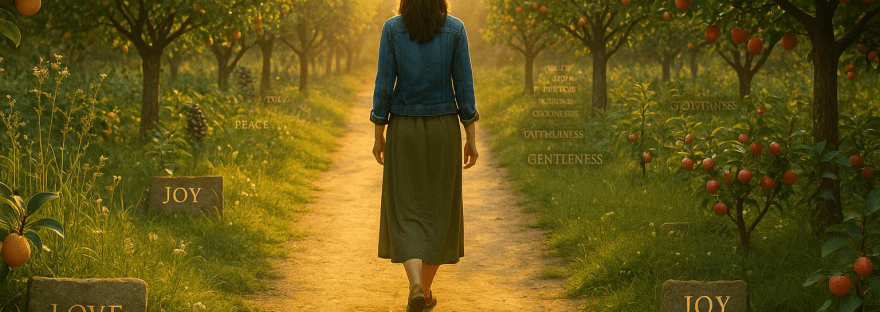
- He produces fruit in us (Galatians 5:22–23)
- He convicts the world of sin and testifies of Christ (John 16:8,14)
The indwelling of the Spirit is both the seal of our salvation and the source of our sanctification. Through Him, we are transformed into the image of Christ (2 Corinthians 3:18).
Devotional Reflection: From Grain to Glory
Read Together: Leviticus 23:15–22; Acts 2:1–41; Joel 2:28–32
Discuss:
- Why do you think God chose to pour out the Spirit on the day of Pentecost?
- What do the two leavened loaves symbolize?
- How does the Spirit equip you for witness and transformation?
- What does it mean to live in daily dependence on the Spirit?
Reflect: Take time to thank God for the gift of the Holy Spirit. As the early Church was empowered to declare the mighty works of God, ask the Lord to fill your life with the same boldness, holiness, and harvest. We are no longer counting the days—we are living in the fulfillment.
Pray: Holy Spirit, we welcome You. As You filled the disciples at Pentecost, fill us anew. Empower us to speak truth, live boldly, and walk in step with Your leading. May our lives be a living offering to the Lord of the harvest. In Jesus’ name, Amen.
The fire has fallen. The harvest has begun.

Leave a comment