Faith Worthy of the Kingdom, Kingdom Discipleship

Civil Disobedience and the Cost of Allegiance

To the early Christians, allegiance to Jesus wasn’t just verbal—it was visible. It shaped every action, every relationship, and every response to authority. While they obeyed laws, paid taxes, and prayed for leaders, they also understood there were limits to civil obedience. When human commands contradicted divine truth, they chose Christ over Caesar—no matter the cost.

“We must obey God rather than men.”
Acts 5:29

This wasn’t rebellion for the sake of rebellion. It was faithful resistance, grounded in humility, guided by Scripture, and empowered by the Spirit.


Civil Obedience with Heavenly Boundaries

The early Christians were not revolutionaries in the worldly sense. They sought peace, respected government, and lived quiet lives (1 Thessalonians 4:11–12). But they drew a line where obedience to earthly rulers would require disobedience to God.

When commanded to worship the emperor, offer incense to idols, or renounce Christ, they refused—even if it meant death.

“We are ready to serve you, but we cannot worship your gods or call the emperor ‘Lord.’ Christ is our only King.”
Apology of Athenagoras, c. AD 177


They Were Arrested for Faithfulness, Not Lawlessness

These believers weren’t jailed for rioting or plotting rebellion—they were arrested for refusing to bow to anything or anyone but Jesus. Their defiance came in the form of silence before magistrates, refusal to sacrifice, hymns sung in prison, and joyful submission to execution.

They didn’t curse the state. They didn’t demand their rights. They simply stood firm in holy allegiance—and accepted the consequences.


Civil Disobedience Was Normalized in Their Discipleship

Early church leaders didn’t encourage blind compliance. They taught believers that following Christ might lead to breaking laws that broke God’s law, and that suffering was not failure—but faithfulness.

“We who fear God do not suppose that the empire is to be hated; we pray for it… but we refuse to call Caesar ‘God.’”
Tertullian, To Scapula 2

Obeying God over men wasn’t an act of civil unrest—it was a mark of spiritual integrity.


Faithfulness Was Costly

Choosing Christ over culture meant:

  • Loss of business and income
  • Disqualification from public office
  • Social exclusion
  • Arrest, torture, and martyrdom

But they counted it a privilege to suffer for the Name.

“They left the council, rejoicing that they were counted worthy to suffer dishonor for the Name.”
Acts 5:41

They did not seek suffering, but they did not fear it. Their eyes were on a better Kingdom, a righteous Judge, and an eternal reward.


What We Can Learn Today

  1. Civil disobedience is a biblical, necessary practice when human authority contradicts God’s Word.
  2. Faithfulness to Christ will cost us something—it always has.
  3. Our stand must be marked by humility, courage, and peace.
  4. We are not rebels—we are citizens of a higher Kingdom.

Sources:

  • The Holy Bible — Acts 5:29, 41; 1 Thessalonians 4:11–12
  • Tertullian, To Scapula
  • Athenagoras, Apology
  • Martyrdom of Polycarp, c. AD 155
  • Eusebius, Church History
2–3 minutes

Leave a comment

Devotions, Women's Devotionals

🌿 Kingdom Living Devotional — Day 9

“Blessed are those who have been persecuted for the sake of righteousness, for theirs is the kingdom of heaven.”

Matthew 5:10 NASB1995

🔥 Standing Firm When It Costs

Righteousness is beautiful, but it isn’t always popular. When you live by God’s truth, it may bring conflict, rejection, or even mistreatment. Jesus doesn’t say “if”—He says “when”. Persecution for righteousness isn’t a possibility; it’s a mark of Kingdom living.

But take heart: the persecuted are not forgotten. They are blessed. Theirs is the Kingdom—not just someday, but now. Their endurance is seen. Their reward is sure.

🕯 Ante-Nicene Reflection

The early church knew persecution intimately. Women were imprisoned, mocked, and martyred not for breaking laws but for living holy lives. Their faith didn’t shrink in suffering—it shone. Their joy in Christ made the world take notice.

💭 Reflect

  • Am I afraid to stand for righteousness because of what it may cost?
  • Where do I need boldness to live openly for Christ?

🙏 Prayer

Lord, give me courage to stand for what is right, even when it’s hard. Strengthen my heart when I feel alone or misunderstood. Let me rejoice, knowing I belong to Your Kingdom. Amen.

Children's Devotionals, Devotions

🧒 Kingdom Kids Devotional — Day 9

“Blessed are those who have been persecuted for the sake of righteousness, for theirs is the kingdom of heaven.”

Matthew 5:10 NASB1995

🛡 Standing Strong for What’s Right

Sometimes doing the right thing isn’t easy. People might laugh at you, leave you out, or make fun of you for loving Jesus. But Jesus says when this happens, you are blessed! That means He sees you, He is proud of you, and you are part of His Kingdom.

God gives you strength to be kind when others are not and to speak truth with love even when it’s hard.

🏛 Long Ago…

Early Christian children were sometimes teased or hurt because they followed Jesus. But they stayed strong and kept loving others—just like Jesus said.

💡 Think About It:

  • Has anyone ever made fun of you for doing what’s right?
  • How can you keep following Jesus even when it’s hard?

🙏 Let’s Pray:

Jesus, help me be strong when doing right is hard. Help me keep loving You and others, even when people don’t understand. Thank You that Your Kingdom belongs to those who follow You. Amen.


Kingdom Archives

Aliens and Ambassadors — Our Role in the World

The early Christians understood something that many today have forgotten: this world is not our home. They didn’t strive for power, status, or acceptance. They saw themselves as aliens in a foreign land, and more than that—as ambassadors of a Kingdom not of this world (John 18:36).

This was not escapism—it was identity. They lived in the world, but they were not of it. Their language, conduct, and mission were shaped not by Roman culture but by the Kingdom of Christ.

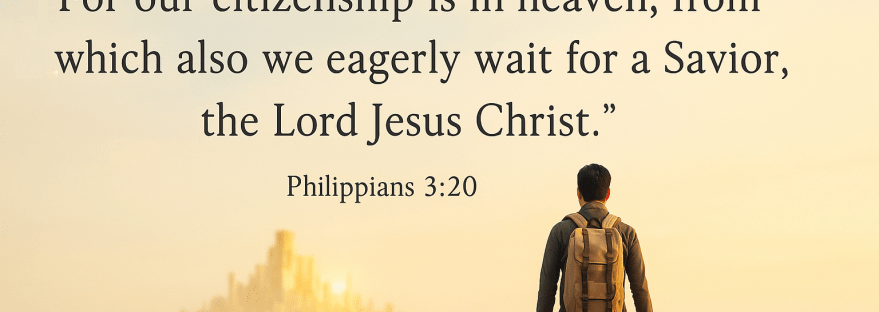
“Our citizenship is in heaven. And from it we await a Savior, the Lord Jesus Christ.”
Philippians 3:20


Aliens: They Lived as Outsiders

The early Christians were often misunderstood, slandered, and marginalized because they refused to conform. They didn’t participate in pagan feasts, military service, or political power structures. Their lives were “strange” to their neighbors—marked by simplicity, purity, peace, and love.

“They dwell in their own countries, but simply as sojourners… they are in the flesh, but they do not live after the flesh… they pass their days on earth, but they are citizens of heaven.”
Epistle to Diognetus, c. AD 130–200

They were not trying to change Rome—they were preparing for the return of the King.


Ambassadors: They Represented Another Kingdom

An ambassador does not speak his own words or act on his own authority. He represents the will, character, and values of the one who sent him. That’s how the early church lived—sent by Christ, empowered by the Spirit, and bound to Scripture.

“We are ambassadors for Christ, God making His appeal through us.”
2 Corinthians 5:20

They didn’t try to blend in. They stood out. Their very presence challenged Roman values, exposed sin, and pointed people to a greater hope.


They Obeyed Laws… Until They Contradicted God

These believers weren’t anarchists. They paid taxes, honored the emperor, and followed civil laws—until those laws asked them to violate God’s Word. Then they practiced peaceful civil disobedience, willing to suffer rather than compromise.

“We must obey God rather than men.”
Acts 5:29

And they did so without violence, without protests, without rebellion—just quiet, faithful resistance. Many were imprisoned, tortured, or killed for this stand, but they rejoiced that they were counted worthy to suffer for His name (Acts 5:41).


Why the World Couldn’t Ignore Them

They were different—not just in belief, but in behavior. Their refusal to compromise wasn’t bitter or prideful—it was beautiful. They didn’t scream at their enemies—they prayed for them. They didn’t riot when wronged—they sang. They didn’t fit in, and they didn’t apologize for it.

Their very existence was a living testimony that another Kingdom had come, and it had made its home in their hearts.


What About Today?

Too many believers today are seeking comfort in the kingdoms of this world—fighting culture wars, clinging to political power, or blending in to avoid being labeled “radical.” But we are not called to be comfortable—we’re called to be holy, set apart, and bold in love.

The early church changed the world by not belonging to it.


What We Can Learn

  1. Your citizenship is in heaven—live like it.
  2. You are an ambassador—represent the King well.
  3. Obedience to God comes before obedience to man.
  4. Standing apart with humility and love changes lives.

Sources:

  • The Holy Bible — Philippians 3:20; 2 Corinthians 5:20; Acts 5:29, 41; John 18:36
  • Epistle to Diognetus, c. AD 130–200
  • Justin Martyr, Apology
  • Eusebius, Church History
2–4 minutes

Leave a comment

Devotions, Women's Devotionals

🌿 Kingdom Living Devotional — Day 8

“Blessed are the peacemakers, for they shall be called sons of God.”

Matthew 5:9 NASB1995

⚔️ Daughters Who Mend, Not Divide

Peacemaking isn’t keeping quiet to avoid conflict—it’s stepping into hard spaces with grace, truth, and love. It means choosing to forgive, choosing to speak gently, and choosing unity over pride. Peacemakers don’t stir division; they reflect their Father in heaven.

Jesus says that those who live this way will be called sons of God. They bear His likeness because they carry His heart for reconciliation.

🕯 Ante-Nicene Reflection

Early Christian women made peace in dangerous times. They ministered in homes and streets, cared for enemies, and helped bring unity to divided communities. Their lives testified to the peace of Christ that ruled their hearts, even in persecution.

💭 Reflect

  • Do I seek peace in my relationships or avoid conflict altogether?
  • Am I quick to restore or quicker to retreat or retaliate?

✍️ Prayer

Father, make me a woman who brings peace. Let me be bold in love and gentle in spirit. Teach me to forgive, to speak truth with grace, and to reflect Your heart in every conversation. In Jesus’ name, Amen.


1–2 minutes

Leave a comment

Children's Devotionals, Devotions

🤖 Kingdom Kids Devotional — Day 8

“Blessed are the peacemakers, for they shall be called sons of God.”

Matthew 5:9 NASB1995

💖 Helpers of Peace

Being a peacemaker means helping others get along, saying sorry first, and choosing kindness even when you feel mad. It means not starting drama or taking sides. Instead, you bring peace, like Jesus does.

When you make peace, you show people what God is like. He loves when we help others forgive and be friends again. That makes you shine like His child!

🏠 Long Ago…

In the early church, kids learned to be peacemakers in their homes and among friends. They followed Jesus by showing love and kindness, even when others didn’t.

💡 Think About It:

  • Do I help people get along or do I make things worse?
  • Who can I show peace to this week?

🙏 Let’s Pray:

Jesus, help me be someone who brings peace. Help me forgive and help others forgive too. I want to show others what You’re like. Amen.

1–2 minutes

Leave a comment

Leave a comment

Devotions, Family Devotionals

🏡 Kingdom Family Devotional — Day 8

“Blessed are the peacemakers, for they shall be called sons of God.”

Matthew 5:9 NASB1995

🪡 A Home That Heals, Not Harms

Peacemaking isn’t weakness—it’s Kingdom power. It means choosing grace when someone wrongs us, helping siblings reconcile, and being the first to apologize when we’re wrong. Jesus doesn’t say “blessed are the peacekeepers,” but peacemakers — those who actively bring healing where there is hurt.

As a mother, your responses train your children in how to navigate conflict. Model peacemaking by speaking truth in love, being quick to forgive, and reminding your children that being right is not more important than being reconciled.

🕯 A Mother’s Role

Create a culture of repentance and grace. Let mercy flow freely, and confront sin lovingly. When arguments arise, show them how to return to each other with humility and restore peace.

📖 Talk About It:

  • What’s the difference between keeping peace and making peace?
  • How can we bring healing into our home when there’s tension?

🧰 Kingdom Practice

Create a “peace plan” for your home. When conflict happens, practice stopping, praying, and asking, “What would bring peace right now?” Keep this plan visible.

✍️ Prayer

Lord, make our home a place where peace is made, not just hoped for. Teach me to lead in love, and help my children grow into reconcilers who reflect the heart of Christ. Amen.


1–2 minutes

Leave a comment

Devotions, Teen Devotions

😎 Kingdom Teen Devotional — Day 8

“Blessed are the peacemakers, for they shall be called sons of God.”

Matthew 5:9 NASB1995

🔦 Be the One Who Calms the Fire

Let’s face it: drama is everywhere—in your group chat, your school, maybe even your family. Jesus says the real ones in the Kingdom aren’t the ones who fuel the fire. They’re the ones who help put it out.

Peacemaking doesn’t mean avoiding problems or being fake. It means stepping in with gentleness and helping people come back together. It means showing mercy and helping others understand each other. And when you do, Jesus says you look just like your Heavenly Father.

🔊 Real Talk:

  • Are you more likely to stir the pot or cool things down?
  • What keeps you from making peace?

✨ Try This:

When you see a conflict this week, ask God to help you be a bridge, not a barrier. Reach out to the person left out or speak peace into the tension.

✍️ Prayer:

God, make me a peacemaker. Help me forgive, help me speak gently, and help me bring people together instead of tearing them apart. I want to look like You. Amen.

1–2 minutes

Leave a comment

Devotions, Teen Devotions

😎 Kingdom Teen Devotional — Day 7

“Blessed are the pure in heart, for they shall see God.”

Matthew 5:8 NASB1995

👓 A Filtered Heart

In a world full of filters, fake smiles, and online personas, Jesus calls us to purity—not just on the outside, but from the inside out.

Being pure in heart doesn’t mean being perfect. It means being real before God. It means letting go of junk—bitterness, gossip, compromise—and wanting what’s holy. Purity clears the fog so we can see God—not just someday in heaven, but here and now.

🔊 Real Talk:

  • What clutters your heart most—comparison, fear, shame, distractions?
  • What would it look like to clean that out and make room for God?

✨ Try This:

Clean your phone. Go through your music, photos, and social apps. Ask: Does this help me see God or blur my vision? Delete one thing that doesn’t belong.

✍️ Prayer:

God, I want a pure heart—not to look good, but to see You more clearly. Clean out anything that doesn’t belong. I want to know You for real. Amen.

1–2 minutes

Leave a comment

Devotions, Women's Devotionals

🌿 Kingdom Living Devotional — Day 7

“Blessed are the pure in heart, for they shall see God.”

Matthew 5:8 NASB1995

💎 A Clear Heart, A Clear View

To be pure in heart isn’t about perfection—it’s about being undivided, sincere, and clean before God. A pure heart isn’t distracted by worldly things or double-minded. It longs for God more than anything else.

Jesus promises that the pure in heart will see God. This is not only a future promise—it’s for now. When our hearts are cleansed by grace and devoted to Christ, we begin to see Him in His Word, in our lives, and in His people.

🕯 Ante-Nicene Reflection

Early Christian women lived with remarkable purity—not only morally, but in motive and devotion. They lived for Christ alone, often forsaking the pleasures of the world to walk in holiness. Their hearts were fixed on eternity, and their vision of God grew clearer through surrender.

💭 Reflect

  • Is there anything dividing my heart or distracting me from a clear view of God?
  • What does a “pure heart” mean in my everyday life?

🙏 Prayer

Lord, cleanse my heart. I want to see You clearly. Take away anything that distracts or divides my love for You. Make my heart wholly Yours. Amen.

1–2 minutes

Leave a comment