Ark of the Covenant, The Last Days

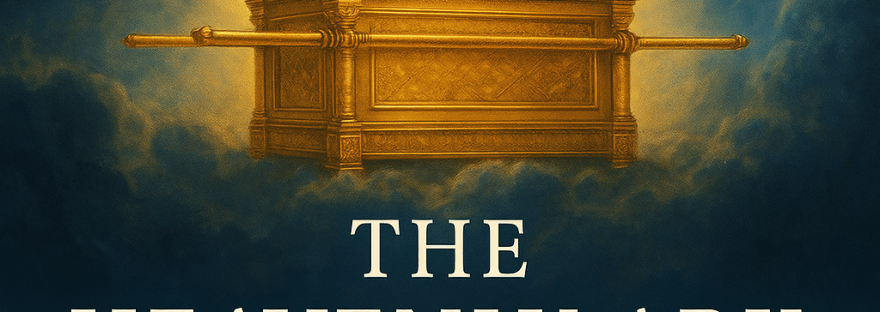
The Heavenly Ark: Revelation 11:19 and God’s Final Word

From the Series: The Ark of the Covenant as a Prophetic Game Changer

“Then the temple of God was opened in heaven, and the ark of His covenant was seen in His temple. And there were lightnings, noises, thunderings, an earthquake, and great hail.” — Revelation 11:19 (NKJV)

For centuries, people have searched for the Ark of the Covenant — from caves in Qumran to tunnels beneath Jerusalem. But Revelation reminds us that even if the earthly Ark remains hidden, there is a greater reality: the Ark of His covenant is in heaven. This heavenly vision reminds us that God’s covenant is unbreakable, His throne unshakable, and His judgment unavoidable.


The Ark in Heaven

John’s vision does not point to the earthly artifact but to the reality it foreshadowed. The Ark represented:

  • God’s throne — where mercy and judgment meet (Exodus 25:22).
  • God’s covenant — His Law, His provision (manna), and His priesthood (Aaron’s rod).
  • God’s presence — dwelling in the midst of His people.

In Revelation 11:19, heaven itself opens to reveal that God has not forgotten His covenant promises — or His warnings.


A Warning of Judgment

The heavenly Ark is revealed with “lightnings, noises, thunderings, an earthquake, and great hail.” This imagery recalls Sinai (Exodus 19:16–19), when God descended in holiness and judgment.

In the last days, the Ark in heaven declares that:

  • God’s covenant is intact, even as nations rage.
  • God’s judgments are real, not symbolic.
  • God’s presence is unshaken, no matter what happens on earth.

The world may exalt relics or institutions, but heaven reveals the true Ark — the place where God’s covenant and glory remain forever.


From Shadow to Substance

The earthly Ark was a shadow; Christ is the substance.

  • The mercy seat points to His sacrifice (Romans 3:25).
  • The manna points to Him as the Bread of Life (John 6:48–51).
  • Aaron’s rod points to His resurrection life (Hebrews 7:16).

The Ark in heaven is not a box of relics but the eternal reality of God’s covenant fulfilled in Christ.


Our Comfort and Confidence

As deception grows, believers can rest in this truth: the Ark in heaven cannot be stolen, hidden, or corrupted. It reminds us that God rules from His throne, that His promises are certain, and that Christ will return to reign.


Reflection Questions

  1. How does Revelation 11:19 shift our focus from earthly relics to heavenly realities?
  2. What does the Ark in heaven reveal about God’s faithfulness to His covenant?
  3. How can this vision strengthen us to endure in hope until Christ’s return?

Closing Prayer

Lord, thank You that Your throne is in heaven and Your covenant cannot be broken. When the world rages and deceives, lift our eyes to the heavenly Ark — the true place of mercy and judgment fulfilled in Christ. Strengthen our faith to endure until the day He returns in glory. Amen.


Note on Prophetic Theories

The Man of Lawlessness (Antichrist) is a prophetic certainty (2 Thessalonians 2:3–4; Daniel 9:27; Matthew 24:15). The Ark of the Covenant is seen in heaven (Revelation 11:19).

However, the role of the earthly Ark in end-times prophecy is a matter of theory, not doctrine. Its rediscovery could align with prophecy (Temple rebuilding, Antichrist’s deception, global conflict), but Scripture does not require this for God’s plan to unfold.

We handle prophecy with reverence:

  • Certainties we hold tightly.
  • Theories we explore carefully.
  • Speculation we avoid.

Let Scripture remain our anchor as we watch and wait for Christ’s return.

Ark of the Covenant, The Last Days

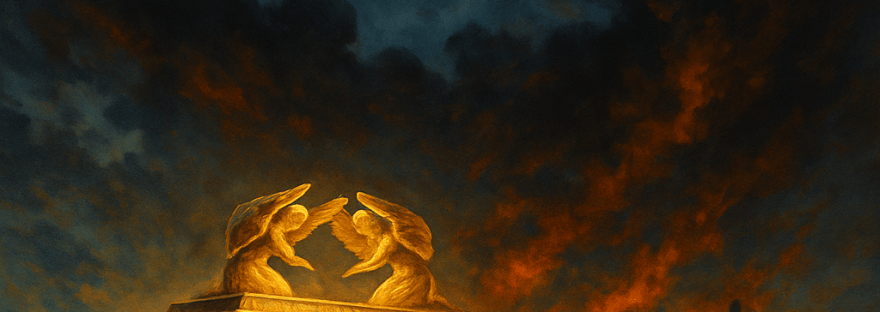
The Ark as a Global Spectacle: Nations in Rage and Deception

From the Series: The Ark of the Covenant as a Prophetic Game Changer

“Behold, I will make Jerusalem a cup of drunkenness to all the surrounding peoples, when they lay siege against Judah and Jerusalem. And it shall happen in that day that I will make Jerusalem a very heavy stone for all peoples; all who would heave it away will surely be cut in pieces, though all nations of the earth are gathered against it.” — Zechariah 12:2–3 (NKJV)

Few discoveries could shake the world like the unveiling of the Ark of the Covenant. More than gold or relic, it represents covenant, divine presence, and unmatched authority. If revealed, it would not remain a quiet archaeological triumph. It would become a global spectacle, igniting hope, outrage, and deception across nations.


The Nations in Uproar

Psalm 2 describes the nations raging against the Lord and His Anointed. The Ark’s discovery could serve as a flashpoint for this rage:

  • Israel’s claim — Proof of their covenantal history and divine election.
  • Islamic opposition — The Temple Mount as a contested site, already one of the world’s most volatile religious flashpoints.
  • Global politics — Superpowers vying for influence over the Holy City.

What Scripture describes in Zechariah 12 — all nations gathered against Jerusalem — suddenly becomes far more plausible if the Ark is unveiled.


A Stage for Antichrist

Revelation warns of a coming man of lawlessness who seizes global authority through deception:

  • A counterfeit sign of God’s presence — Antichrist could exploit the Ark as a prop to validate his authority (2 Thessalonians 2:9–10).
  • A tool for global unity — By promising peace while controlling access to the Ark and Temple, he could rally both worship and submission.
  • A demand for worship — Sitting in the temple of God, he proclaims himself as God (2 Thessalonians 2:4).

Satan has always imitated what is holy. The Ark may become one more counterfeit in his arsenal of deception.


Revelation’s Warning

Revelation 13 describes a world in awe of the beast, worshiping him and marveling at his authority. If the Ark plays into this deception, it will not be as a token of truth but as a snare for those who “did not receive the love of the truth, that they might be saved” (2 Thessalonians 2:10).

For those who know Christ, the Ark reminds us of God’s faithfulness. But for the world, it could become a stage for lies.


Our Hope Amid Rage

Believers are not called to fear global upheaval. Jesus told us: “When you see these things begin to happen, look up and lift up your heads, because your redemption draws near.” (Luke 21:28).

The Ark, if revealed, will not be the end — it will be another sign that God’s Word is true, that the nations are raging as foretold, and that Christ’s return is near.


Reflection Questions

  1. How does the Ark’s potential rediscovery connect with Zechariah 12 and Psalm 2?
  2. Why is it important to discern between true worship of God and counterfeit signs?
  3. How can we prepare our hearts for a world increasingly hostile to Christ and His people?

Closing Prayer

Lord, give us wisdom to see through deception in these last days. When the nations rage, remind us that You have set Your King on Zion. Let us trust not in relics or political peace, but in Christ, who will return in power and glory. Amen.


Note on Prophetic Theories

The Man of Lawlessness (Antichrist) is a prophetic certainty (2 Thessalonians 2:3–4; Daniel 9:27; Matthew 24:15). The Ark of the Covenant is seen in heaven (Revelation 11:19).

However, the role of the earthly Ark in end-times prophecy is a matter of theory, not doctrine. Its rediscovery could align with prophecy (Temple rebuilding, Antichrist’s deception, global conflict), but Scripture does not require this for God’s plan to unfold.

We handle prophecy with reverence:

  • Certainties we hold tightly.
  • Theories we explore carefully.
  • Speculation we avoid.

Let Scripture remain our anchor as we watch and wait for Christ’s return.


Ark of the Covenant, The Last Days

Trusting in the Ark or the God of the Ark? Lessons from Jeremiah

From the Series: The Ark of the Covenant as a Prophetic Game Changer

“Do not trust in these lying words, saying, ‘The temple of the Lord, the temple of the Lord, the temple of the Lord are these.’” — Jeremiah 7:4 (NKJV)

In Jeremiah’s day, Judah believed they were safe because the Temple of the Lord stood in their midst. As long as the Ark of the Covenant and the sacrifices continued, they assumed God’s protection was guaranteed. But their faith was misplaced. They trusted in symbols while rejecting the God who gave them meaning.

This same danger looms in the last days. If the Ark of the Covenant were rediscovered, many would place their trust in the artifact rather than in the Lord of glory.


The False Security of the Temple

Jeremiah warned Judah that the Temple was not a shield against judgment:

  • Sin remained unrepented — God called for obedience, not hollow ritual (Jeremiah 7:5–7).
  • The Ark did not guarantee safety — Shiloh once housed the Ark, but God allowed it to be destroyed because of Israel’s sin (Jeremiah 7:12–14).
  • God’s presence cannot be contained — His covenant was not a charm, but a call to holiness (Isaiah 66:1–2).

Their misplaced trust led to disaster. In 586 BC, Babylon destroyed the Temple and carried the people into exile.


The Same Deception in the End Times

Scripture warns of a coming day when Antichrist will sit in the temple of God, “showing himself that he is God” (2 Thessalonians 2:4). The danger is clear: people will once again trust in signs and symbols, rather than in the living Christ.

  • The Ark rediscovered — Many may see it as proof of divine favor, even without true repentance.
  • Temple worship restored — Sacrifices may resume, but without Christ they cannot save (Hebrews 10:1–4).
  • Antichrist’s deception — He will exploit misplaced trust to demand worship.

Just as in Jeremiah’s day, trusting in relics or institutions without obedience to God leads to judgment.


Where Our Trust Belongs

The Ark pointed forward to Christ:

  • The mercy seat foreshadowed His atoning blood (Romans 3:25).
  • The manna pointed to Him as the Bread of Life (John 6:48–51).
  • Aaron’s rod that budded pointed to His resurrection power (Hebrews 7:16).

The lesson is clear: trust not in the Ark, but in the God of the Ark.


Reflection Questions

  1. In what ways do people today put their trust in symbols, rituals, or institutions rather than Christ?
  2. How does Jeremiah’s warning about Shiloh (Jeremiah 7:12–14) prepare us for discerning the last days?
  3. How can we keep our eyes fixed on Christ as the fulfillment of all the Ark represented?

Closing Prayer

Lord, protect us from trusting in signs and symbols instead of in You. Give us discernment to see through deception in these last days. May our faith rest in Christ alone, who fulfilled the covenant and reigns as King. Keep us steadfast in obedience, watching for His return. Amen


Note on Prophetic Theories

The Man of Lawlessness (Antichrist) is a prophetic certainty (2 Thessalonians 2:3–4; Daniel 9:27; Matthew 24:15). The Ark of the Covenant is seen in heaven (Revelation 11:19).

However, the role of the earthly Ark in end-times prophecy is a matter of theory, not doctrine. Its rediscovery could align with prophecy (Temple rebuilding, Antichrist’s deception, global conflict), but Scripture does not require this for God’s plan to unfold.

We handle prophecy with reverence:

  • Certainties we hold tightly.
  • Theories we explore carefully.
  • Speculation we avoid.

Let Scripture remain our anchor as we watch and wait for Christ’s return.

Ark of the Covenant, The Last Days

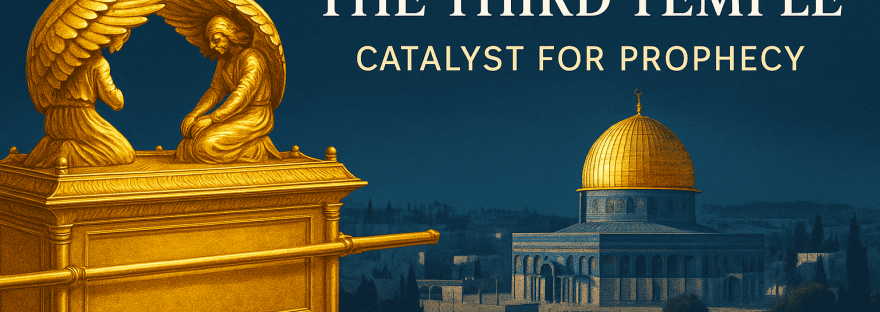
The Ark and the Third Temple: Catalyst for Prophecy

From the Series: The Ark of the Covenant as a Prophetic Game Changer

“Then he said to me, ‘This is the place where My throne and the place of the soles of My feet, where I will dwell in the midst of the children of Israel forever.’” — Ezekiel 43:7 (NKJV)

For centuries, Jewish longing for a restored Temple in Jerusalem has remained at the heart of biblical prophecy. The Temple was not merely a building; it was the center of worship, sacrifice, and God’s covenant presence. Scripture foretells a time when a temple will stand again — and in it, prophecy will unfold in dramatic and sobering ways.

But what could trigger such a monumental project in our day? For many, the rediscovery of the Ark of the Covenant would be the catalyst.


Why the Temple Matters

The Temple plays a central role in both Old and New Testament prophecy:

  • Daniel’s Seventieth Week — the “abomination of desolation” occurs in the Temple (Daniel 9:27; Matthew 24:15).
  • Paul’s Warning — the “man of sin” sits in the Temple of God, proclaiming himself as God (2 Thessalonians 2:4).
  • Ezekiel’s Vision — a future, glorified Temple in the millennial kingdom (Ezekiel 40–48).

Without a temple, these prophecies cannot be literally fulfilled. That is why any movement toward rebuilding must be watched with discernment.


The Ark as a Catalyst

The Ark of the Covenant, long hidden from history, could provide the religious and symbolic momentum for rebuilding. Consider:

  • Religious Authority — For observant Jews, the Ark represents the very presence of God. Its unveiling would validate Temple-centered worship.
  • National Identity — The Ark is bound up with Israel’s history. Its return would unify the nation around a tangible link to God’s covenant.
  • Global Attention — The world would not ignore such a discovery. The Ark could become the most significant archaeological find in history, drawing both fascination and hostility.

Like the return of the exiles in Ezra’s day, the Ark could be seen as a divine signal to “rise up and build” (Ezra 1:3).


Prophetic Implications

If the Ark were placed in a rebuilt Temple, several prophetic threads would converge:

  • The Antichrist’s deception (2 Thessalonians 2:4) — sitting in the Temple, perhaps near or even above the Ark, demanding worship.
  • The renewed sacrifices (Daniel 9:27) — reinstated in a rebuilt sanctuary, only to be halted by the Antichrist.
  • The world’s rage (Zechariah 12:3) — Jerusalem becoming a burdensome stone as nations contend with Israel’s claim of covenant authority.

Far from confirming salvation, the Ark in the Temple would test where people place their trust — in ritual and relics, or in the living Christ.


A Call to Watchfulness

The Ark’s discovery, should it happen, would not be the fulfillment of hope but the unfolding of warning. Just as Jeremiah warned Israel against trusting “the temple of the Lord” as a false refuge (Jeremiah 7:4), so today we must be cautious not to confuse the symbols of covenant with the Lord of the covenant.

The true Temple is Christ Himself (John 2:19–21), and those in Him are the living stones of His spiritual house (1 Peter 2:5).


Reflection Questions

  1. Why is the Temple central to the unfolding of prophecy?
  2. How might the Ark’s discovery ignite both devotion and deception?
  3. In what ways can we ensure our trust remains in Christ, not in outward symbols?

Closing Prayer

Lord, give us discernment as we watch the times. Keep us from chasing after signs while ignoring the Savior. Let our hearts be fixed on Christ, the true Temple, who will return to reign in glory. Amen.


Note on Prophetic Theories

The Man of Lawlessness (Antichrist) is a prophetic certainty (2 Thessalonians 2:3–4; Daniel 9:27; Matthew 24:15). The Ark of the Covenant is seen in heaven (Revelation 11:19).

However, the role of the earthly Ark in end-times prophecy is a matter of theory, not doctrine. Its rediscovery could align with prophecy (Temple rebuilding, Antichrist’s deception, global conflict), but Scripture does not require this for God’s plan to unfold.

We handle prophecy with reverence:

  • Certainties we hold tightly.
  • Theories we explore carefully.
  • Speculation we avoid.

Let Scripture remain our anchor as we watch and wait for Christ’s return.

Ark of the Covenant, The Last Days

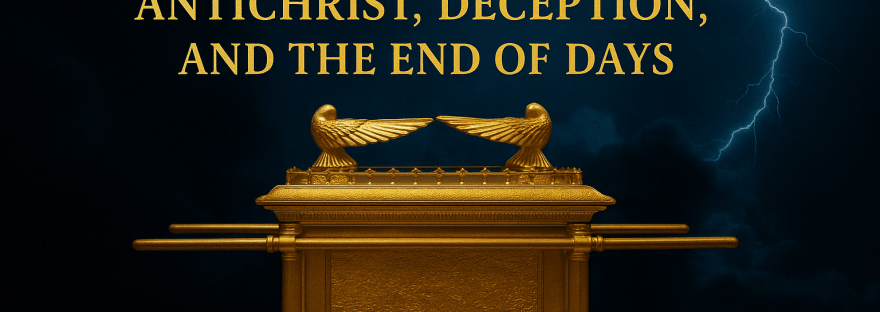
The Ark of the Covenant — Antichrist, Deception, and the End of Days

From the Series: The Ark of the Covenant as a Prophetic Game Changer

“And the temple of God was opened in heaven, and the ark of His covenant was seen in His temple. And there were lightnings, noises, thunderings, an earthquake, and great hail.” — Revelation 11:19 (NKJV)

For centuries, the Ark of the Covenant has stirred both fascination and mystery. Hidden since the days of Jeremiah, it is remembered in Scripture as the earthly throne of God’s presence (Exodus 25:22). To Israel, it symbolized covenant, holiness, and power. To the nations, it represented a dangerous and untouchable force.

But what if this Ark were to be rediscovered in our generation? Could its unveiling play a role in the rise of Antichrist and the final deception of the last days?

This question forms the heart of our new series: The Ark of the Covenant as a Prophetic Game Changer.


Why the Ark Matters in Prophecy

The Ark is more than an artifact. It connects directly to prophecy:

  • God’s covenant faithfulness — The Ark contained the tablets of the Law, Aaron’s rod, and manna (Hebrews 9:4). Each reminds us that God does not forget His promises.
  • The Temple question — Daniel, Jesus, and Paul all speak of a future desecration in a restored temple (Daniel 9:27; Matthew 24:15; 2 Thessalonians 2:4). The Ark’s discovery could ignite calls to rebuild.
  • Revelation’s imagery — John sees the Ark in heaven, linked with God’s final judgments (Revelation 11:19).

The Antichrist and Deception

Scripture warns that the Antichrist will rise “with all power, signs, and lying wonders” (2 Thessalonians 2:9). If the Ark were uncovered, it could become a rallying point for global attention:

  • Used by Israel as proof of divine favor.
  • Exploited by Antichrist as a tool to demand worship.
  • Twisted into a counterfeit sign of God’s presence.

Satan has always sought to imitate what is holy (2 Corinthians 11:14). The Ark could serve as a powerful stage for the final deception.


How This Fits in the End Times

Our series explores multiple theories about how the Ark might intersect with prophecy:

  1. Catalyst for the Third Temple — sparking religious and political momentum in Jerusalem.
  2. Symbol of false security — Israel trusting in the Ark instead of the God of the Ark, as in Jeremiah’s day (Jeremiah 7:4).
  3. Global spectacle — nations enraged, yet drawn into the drama of Israel’s covenantal claims.
  4. Foreshadow of Revelation 11:19 — the Ark seen in heaven before God’s final judgments.

Why We Must Be Watchful

Jesus told us to “watch” (Matthew 24:42). Not to speculate endlessly, but to discern the times with sober clarity. If the Ark were to reappear, it would not be a cause for superstition or misplaced hope — but for renewed confidence in God’s Word, which cannot fail.

The Ark points us not to Antichrist, but to Christ. It reminds us that God dwells with His people, that His covenant is sure, and that His Son will return to reign.


Closing Thought

The Ark of the Covenant is not a relic of the past. It is a symbol of God’s unchanging promises — promises that will culminate in Christ’s glorious return. Whether hidden in the earth or revealed in heaven, its true meaning is fulfilled in Jesus, the greater Ark, who is Himself the presence of God among us (John 1:14).

Let us watch, wait, and walk faithfully until that day.


Note on Prophetic Theories

The Man of Lawlessness (Antichrist) is a prophetic certainty (2 Thessalonians 2:3–4; Daniel 9:27; Matthew 24:15). The Ark of the Covenant is seen in heaven (Revelation 11:19).

However, the role of the earthly Ark in end-times prophecy is a matter of theory, not doctrine. Its rediscovery could align with prophecy (Temple rebuilding, Antichrist’s deception, global conflict), but Scripture does not require this for God’s plan to unfold.

We handle prophecy with reverence:

  • Certainties we hold tightly.
  • Theories we explore carefully.
  • Speculation we avoid.

Let Scripture remain our anchor as we watch and wait for Christ’s return.