
From the Series: Ordinary Saints: Lessons from the Ante-Nicene Church
Scripture quotations are from the New King James Version®.
Copyright © 1982 by Thomas Nelson. Used by permission. All rights reserved.
In a world where power is often linked with violence and justice with vengeance, Jesus’s teachings stand in stark contrast. Among His commands, none is more challenging than loving one’s enemies. As Jesus said, “Love your enemies and pray for those who persecute you” (Matthew 5:44). This radical love sets Kingdom people apart from the world.
“Love your enemies and pray for those who persecute you.”
— Matthew 5:44
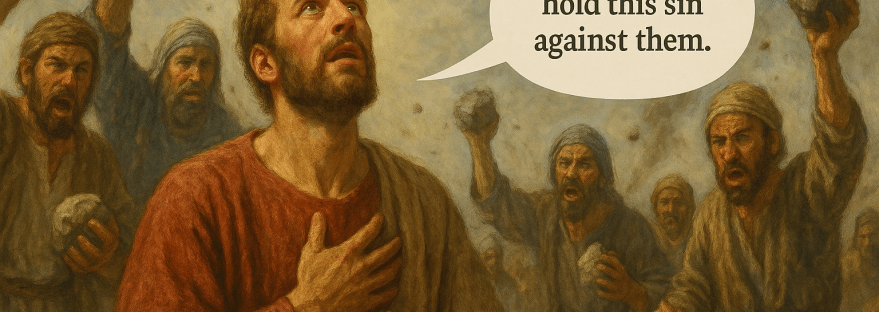
For early Christians, loving their enemies showed loyalty to Christ. Following Jesus meant imitating His love, even through betrayal or threats of death. Instead of killing, they chose to die, echoing Christ’s words: “Father, forgive them, for they know not what they do” (Luke 23:34). This forgiveness was their core witness, placing God’s law of love above any earthly ties.
Throughout history, societies have justified violence by appealing to justice, protection, or patriotism. But the Ante-Nicene Christians rejected these reasons. They were not pacifists because of weakness. Instead, they were peacemakers empowered by the Spirit.
They refused to retaliate, enlist in the military, or occupy positions that required acts of violence. They consistently chose the cross instead of the sword.
“It is not lawful for a Christian to bear arms for any earthly consideration.”
— Tertullian, On Idolatry 19
“We who formerly used to kill one another now not only refuse to make war upon our enemies, but gladly die confessing Christ.”
— Justin Martyr, First Apology 39
Killing, whether in self-defense or war, denied Christ’s call to love. Bearing Jesus’s name meant imitating His peaceful response to threats and pain. As Tertullian said, “It is not lawful for a Christian to bear arms for any earthly consideration.” Early Christians lived out Justin Martyr’s words: “We who formerly used to kill one another now not only refuse to make war upon our enemies, but gladly die confessing Christ.”
“Father, forgive them, for they know not what they do.”
— Luke 23:34
They believed Jesus’s self-sacrifice called them to willingly give up their lives. Dying without violence was not failure, but a testimony of faith. Tertullian said, “The blood of the martyrs is the seed of the Church” (Apology 50); their martyrdom strengthened, not stained, their witness.
Pagans and Roman authorities were confounded by this behavior. How could individuals face death calmly, praying, forgiving, and singing? Their love spoke more powerfully than the roar of lions; their peace silenced the jeers. Both their lives and deaths proclaimed a Kingdom not of this world—a Kingdom shaped by Jesus’s words and example.
Today, some Christians justify violence in the name of freedom or justice. Yet, the example of the early Church demonstrates that Christ died so that believers might lay down their rights rather than defend them. This call to love is not limited to times of persecution. In our own lives, at work, in families, with neighbors, when we are wronged, Jesus’s words, “Pray for those who persecute you,” take practical form. Christians can choose forgiveness over revenge, reconciliation over resentment, and truth spoken in love over harsh words. By practicing this radical love, the teaching of Jesus becomes visible in our world.
Kingdom citizenship requires radical obedience to the law of Christ, which is love. This obedience does not signify weakness. Instead, it represents a different form of warfare, one that overcomes evil not through force but through forgiveness.
What We Can Learn Today
- The early martyrs’ refusal to retaliate, even in the face of death, reveals the radical love that Jesus calls His followers to embody. Their actions remind us that love for one’s enemies is not just a lofty idea but the distinguishing mark of a true disciple. Killing, whether in retaliation or in service to any earthly power, stands in direct contradiction to Christ’s command: “Love your enemies.”
- Martyrdom, for these believers, was not the loss of a life but the fulfillment of one. By choosing the cross over the sword, they showed that following Christ means embracing His prayer, “Father, forgive them,” even when hatred surrounds us. To reclaim a theology of the cross is to make it not just a symbol but a way of life: loving those who harm us, trusting that forgiveness is more powerful than violence, and living by a standard defined not by what we’re willing to kill for, but by what we’re willing to die for. This legacy of love and sacrifice continues to challenge and inspire the world today.
To live out this radical love, act now: Pray for someone who has wronged you. Forgive a recent offense, even if it seems minor. Reach out to reconcile with those in conflict. Let go of resentment and seek ways to serve those who oppose you. These simple yet courageous choices reveal Christ’s transforming love, a legacy that begins with one bold step today. Take time to forgive a hurt or offense, even if it is small. Reach out to someone you are in conflict with and offer a word of reconciliation or kindness. Choose to let go of resentment or the desire to retaliate, and instead look for ways to serve or bless those who oppose you. Small acts of grace in daily life open our hearts to the transforming power of Christ’s love. In these moments, the teaching of Jesus and the example of the martyrs become real and visible in our world.
Sources:
- The Holy Bible — Matthew 5:44; Luke 23:34
- Tertullian, On Idolatry 19; Apology 50
- Justin Martyr, First Apology 39
- Origen, Against Celsus, Book 8
- The Epistle to Diognetus, c. AD 130–200
Discover more from Rooted & Raised
Subscribe to get the latest posts sent to your email.

