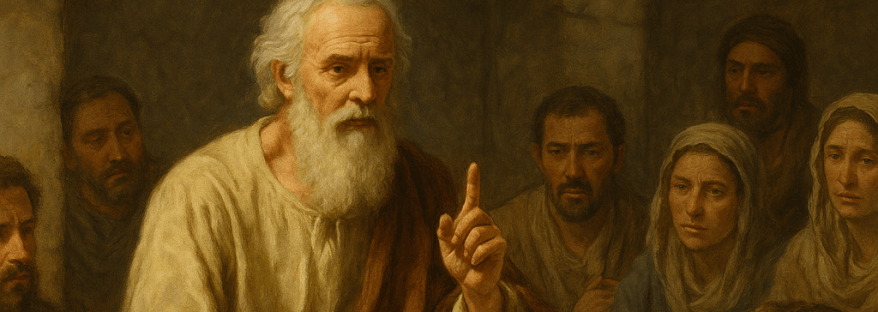
📖 “I am the light of the world. He who follows Me shall not walk in darkness, but have the light of life.” —John 8:12 (NKJV)
Light reveals what darkness hides. When Jesus declares Himself the Light of the world, He is claiming authority to reveal truth, expose deception, and guide every step of your life. His light does not merely brighten your surroundings; it transforms your understanding.
In a culture filled with conflicting messages, shifting morals, and constant noise, it can be difficult to know what is true. Jesus’ light cuts through confusion. Through Scripture and the Holy Spirit, He illuminates what aligns with God’s character and what does not. His light brings clarity to decisions, relationships, and identity.
Walking in the light means choosing transparency over secrecy and truth over compromise. It means allowing Christ to examine your motives and shape your character. His light may expose areas that need correction, but it never does so to shame you. It exposes in order to heal and guide.
Knowing Christ means remaining close to His light. As you follow Him, fear loses its grip, confusion fades, and purpose becomes clearer. The Light of the world does not flicker or fade. He leads steadily, faithfully, and truthfully. In Him, you do not walk blindly—you walk with vision shaped by eternal truth.
Prayer: Jesus, thank You for being the Light of the world. Help me walk in Your light and choose truth over darkness. Illuminate my path, guide my decisions, and shape my heart so that my life reflects Your light to others. Amen.
📖 “I am the light of the world. He who follows Me shall not walk in darkness, but have the light of life.” —John 8:12 (NKJV)
Jesus says that He is the light of the world. Light helps you see clearly when it is dark. Without light, it is hard to know where to go. When Jesus is your light, He helps you see what is true and what is right.
Sometimes life can feel confusing, like walking in the dark. You might not know what choice to make or how to handle something. Jesus shines His light through the Bible and through the Holy Spirit to help you understand and choose wisely.
When you follow Jesus, you do not have to be afraid of the dark. His light shows you the way step by step. Even when you cannot see very far ahead, you can trust that Jesus sees everything and is guiding you.
Jesus’ light also helps you shine. When you follow Him, others can see His goodness in you. His light in your heart helps you share kindness, truth, and love with the people around you.Prayer: Jesus, thank You for being my light. Help me follow You and trust You when I feel unsure. Shine Your light in my heart and help me share Your love with others. Amen.
📖 “I am the light of the world. He who follows Me shall not walk in darkness, but have the light of life.” —John 8:12 (NKJV)
When Jesus declares Himself the Light of the world, He is not speaking symbolically alone—He is revealing His authority to illuminate truth and dispel darkness. His light exposes what is hidden, clarifies what is confused, and steadies what feels uncertain. To follow Him is to step out of shadows and into clarity shaped by His presence.
As a woman, you may encounter moments when truth feels blurred by emotion, pressure, or competing voices. The light of Christ does not shame or overwhelm; it gently reveals and faithfully guides. Through Scripture and the Holy Spirit, Jesus shines light on your thoughts, decisions, and relationships, helping you discern what honors God.
Living in the light means choosing openness rather than secrecy and truth rather than compromise. It invites you to allow Christ to examine your heart—not to condemn you, but to refine and strengthen you. In His light, fears are exposed for what they are, and misplaced confidence is redirected toward Him.
Knowing Christ means walking daily in His illumination. His light steadies your steps when the future feels unclear and guards your heart when temptation draws near. As you remain in His light, your life begins to reflect His brightness to others—quietly pointing them toward the One who leads faithfully and loves deeply.
Prayer: Jesus, thank You for being the Light of my life. Shine Your truth into every area of my heart and guide me when decisions feel unclear. Help me walk confidently in Your light and reflect Your truth and love to those around me. Amen.
📖 “The Lord is my shepherd; I shall not want.” —Psalm 23:1 (NKJV)
The image of the Good Shepherd is deeply personal. A shepherd does not oversee from a distance; he walks among the sheep, attentive to their needs, aware of their weaknesses, and committed to their protection. When Scripture calls the Lord your Shepherd, it is declaring that you are not navigating life alone.
As a woman, you may carry many responsibilities and feel the pressure to anticipate every need. Yet the Shepherd’s care reminds you that provision does not rest solely on your shoulders. Jesus leads, provides, corrects, and restores. He guides you into places of spiritual nourishment and gently redirects you when you begin to wander.
The Good Shepherd knows your voice, your fears, your fatigue, and your quiet prayers. He is not impatient with weakness, nor distant in difficulty. Through the Holy Spirit, He comforts your heart, strengthens your resolve, and steadies your path. Even in seasons of uncertainty, His rod and staff bring reassurance rather than fear.
Knowing Christ as your Shepherd means learning to rest in His leadership. It means trusting His direction when the path feels unclear and believing that His care is sufficient for each day. As you walk closely with Him, you discover that His presence brings security, His guidance brings clarity, and His love brings lasting peace.
Prayer: Jesus, thank You for being my Good Shepherd. Help me trust Your leadership and rest in Your care. When I feel overwhelmed, remind me that You are guiding and providing for me each step of the way. Keep my heart close to You and steady in Your love. Amen.
If worship reveals who is worthy, salvation reveals who has power to save. Every false christ ultimately collapses here. False christs may inspire, reform, organize, empower, or comfort, but they cannot save sinners from sin, death, and judgment. Only Jesus Christ can.
Salvation Belongs to the LORD Alone
Scripture establishes this before Christ ever comes in the flesh:
“Salvation belongs to the LORD.” (Psalm 3:8, NKJV)
Salvation is not a human achievement, a moral ladder, a ritual process, or a cooperative effort. It originates with God and is accomplished by Him. Jesus does not offer a method of salvation. He is salvation.
Jesus Claims Exclusive Saving Authority
Jesus makes a claim no false christ can safely make:
“I am the way, the truth, and the life. No one comes to the Father except through Me.” (John 14:6, NKJV)
This statement is exclusive, personal, and absolute. If it is false, Jesus is a deceiver. If it is true, every alternative gospel is false. There is no middle ground.
No Other Name Saves — By God’s Design
After the resurrection, Peter proclaims openly:
“Nor is there salvation in any other, for there is no other name under heaven given among men by which we must be saved.” (Acts 4:12, NKJV)
This is not arrogance. It is revelation. God Himself has chosen the means of salvation, and He has centered it in His Son.
Salvation Requires a Sinless Substitute
False christs cannot save because they share the same problem as those they claim to help: sin.
Scripture is clear:
“All have sinned and fall short of the glory of God.” (Romans 3:23, NKJV)
Jesus alone qualifies:
“He committed no sin, nor was deceit found in His mouth.” (1 Peter 2:22, NKJV)
“For He made Him who knew no sin to be sin for us, that we might become the righteousness of God in Him.” (2 Corinthians 5:21, NKJV)
No sinless substitute — no salvation. No cross — no forgiveness. No resurrection — no justification.
Salvation Is Accomplished, Not Offered as a Potential
False gospels speak in terms of possibility, progress, earning, maintaining. Jesus speaks in terms of completion.
From the cross:
“It is finished.” (John 19:30, NKJV)
The work required for redemption was fully accomplished at Calvary. Salvation is received by faith, not completed by effort:
“For by grace you have been saved through faith… not of works, lest anyone should boast.” (Ephesians 2:8–9, NKJV)
Salvation Produces a New Life — Not Mere Belief
True salvation does not leave a person unchanged.
Jesus said:
“Most assuredly, I say to you, unless one is born again, he cannot see the kingdom of God.” (John 3:3, NKJV)
This is not behavioral modification. It is spiritual resurrection. Those truly saved receive new life, receive the Spirit, and begin a transformed walk.
False christs produce followers. Jesus produces new creations.
“If anyone is in Christ, he is a new creation.” (2 Corinthians 5:17, NKJV)
Ante-Nicene Witness (Salvation Worth Dying For)
The early Church did not believe salvation was symbolic, collective, or philosophical.
They trusted this Christ alone. Ignatius of Antioch wrote of “the blood of God” as the believer’s hope. Irenaeus insisted that only the incarnate, crucified, and risen Christ could redeem fallen humanity. Martyrs went to their deaths confessing Christ as Savior, not merely Teacher. They did not die for ideas. They died because Jesus had saved them.
Why This Matters Before We Speak of the Church
The Church is not a gathering of seekers. It is an assembly of the redeemed.
If salvation is unclear the Church loses its identity, the Spirit’s work is misunderstood, the Bride becomes indistinct from the world. But when salvation is rightly understood, the Church knows who she belongs to.
📖 “Trust in the Lord with all your heart, and lean not on your own understanding.” —Proverbs 3:5 (NKJV)
Trust is often refined in seasons where clarity is absent. As a woman, you may feel the weight of responsibility pressing you to anticipate outcomes, solve problems, and protect what matters most. When answers are delayed or circumstances remain uncertain, trust can feel fragile. Yet Scripture invites you to place your confidence not in understanding, but in the Lord Himself.
Jesus trusted the Father completely, even when obedience led Him through suffering and surrender. His trust was not rooted in visible reassurance but in the unchanging character of God. In the same way, Christ calls you to rest your trust in who God is, not in what you can predict or control. Trust becomes an act of worship—choosing faith over fear when the path forward is unclear.
Through the Holy Spirit, Jesus helps you release the need to have everything resolved. Trust grows as you bring your concerns to God in prayer and choose obedience in small, faithful steps. Over time, anxiety loosens its grip, and peace takes its place—not because circumstances have changed, but because your confidence is anchored in God’s faithfulness.
Knowing Christ means learning to trust God beyond what you can see. It means believing that His wisdom surpasses your understanding and that His care is constant, even in uncertainty. As trust deepens, your heart finds rest, your faith is strengthened, and your walk with Christ becomes marked by quiet confidence and steady hope
Prayer: Jesus, teach me to trust God with all my heart, especially when I do not understand what He is doing. Help me release control, rest in His faithfulness, and walk forward in obedience and hope. Strengthen my trust as I continue to know You more deeply. Amen.
📖 “Trust in the Lord with all your heart, and lean not on your own understanding.” —Proverbs 3:5 (NKJV)
Trust becomes most difficult when life doesn’t make sense. Questions go unanswered, plans change, and emotions pull in different directions. In those moments, trusting God can feel risky or uncertain. Yet Jesus calls you to a deeper kind of trust—one that rests not on understanding everything, but on knowing Him.
Jesus trusted the Father completely, even when the path ahead involved suffering. He shows that trust is not passive or blind; it is anchored in the character of God. Trusting God means believing that He is good, faithful, and purposeful—even when circumstances feel confusing or unfair.
Learning to trust God requires letting go of the need to control outcomes. Through the Holy Spirit, Jesus helps you release anxiety, quiet racing thoughts, and choose faith over fear. Trust grows as you bring your worries to God in prayer and decide to obey Him one step at a time.
Knowing Christ means learning to trust God with your whole heart, not just when things feel safe or predictable. As trust deepens, peace begins to replace anxiety, and confidence grows—not in yourself, but in God’s faithfulness. Even when you don’t understand what God is doing, you can trust who He is.
Prayer: Jesus, help me trust God when I don’t understand what is happening. Teach me to rely on His faithfulness instead of my own understanding. When fear or doubt rises, help me choose faith and follow You with confidence. Amen.
📖 “Trust in the Lord with all your heart.” —Proverbs 3:5a (NKJV)
Trusting God means believing that He knows what is best for you, even when you don’t understand what is happening. Sometimes things feel confusing or scary, and you might not know what will happen next. Jesus understands that, and He helps you learn to trust God with your whole heart.
Jesus trusted His Father in everything He did. Even when things were hard, He knew that God was good and faithful. When you follow Jesus, He teaches you to trust God too—by praying, listening, and remembering that God always keeps His promises.
Trust grows little by little. Each time you choose to pray instead of worry, or obey instead of complain, your trust becomes stronger. The Holy Spirit helps remind you that God is always with you and will never leave you alone.
Jesus wants you to know that you are safe in God’s hands. When you trust Him, your heart can rest, knowing that God loves you and is taking care of you every day.
Prayer: Jesus, thank You for helping me trust God. When I feel unsure or afraid, help me remember that God loves me and knows what is best. Teach me to trust Him with my whole heart. Amen.
📖 “Trust in the Lord with all your heart, and lean not on your own understanding.” —Proverbs 3:5 (NKJV)
Trust is essential in family life, especially during seasons of change, uncertainty, or challenge. Families often face situations they cannot fully understand or control. Jesus teaches families to trust God together, reminding them that God’s wisdom and care extend beyond what they can see.
Trusting God as a family means choosing faith over fear. Through prayer, shared conversations, and obedience to God’s Word, families learn to rely on God rather than their own understanding. The Holy Spirit helps family members surrender worry and place confidence in God’s faithfulness.
Trust does not mean ignoring difficulties or pretending questions don’t exist. It means bringing concerns to God together and believing that He is at work even when answers are delayed. As families practice trust, peace begins to replace anxiety, and unity grows through shared dependence on Christ.
Knowing Christ as a family means learning to walk forward together, trusting God one step at a time. As trust deepens, families become more resilient, more hopeful, and more rooted in the assurance that God is guiding their path with love and wisdom.
Prayer: Jesus, help our family trust God with all our hearts. When we don’t understand what is happening, teach us to rely on His wisdom and care. Strengthen our faith, calm our fears, and guide us as we walk together in trust and obedience. Amen.
📖 “In everything give thanks; for this is the will of God in Christ Jesus for you.” —1 Thessalonians 5:18 (NKJV)
Thankfulness shapes the atmosphere of a home. Families face both joyful moments and challenging seasons, and gratitude helps keep hearts centered on God’s faithfulness rather than focused only on difficulties. Jesus invites families to grow in thankfulness together, learning to recognize His care in both small and significant ways.
Practicing gratitude as a family does not mean ignoring struggles or pretending everything is easy. It means choosing to acknowledge God’s presence and provision even when life feels demanding. Through the Holy Spirit, Jesus helps families notice daily blessings—answered prayers, shared meals, encouragement, and strength to face each day.
When thankfulness becomes part of family life, it shifts conversations and attitudes. Complaints give way to praise, frustration softens into patience, and hearts grow more aware of God’s goodness. Parents model gratitude through words and actions, and children learn thankfulness by seeing it lived out consistently.
Knowing Christ as a family means trusting Him together in every season. As gratitude grows, it deepens faith, strengthens unity, and fills the home with joy that does not depend on circumstances. A thankful family reflects Christ’s love and faithfulness in a powerful and lasting way.
Prayer: Jesus, thank You for Your constant care over our family. Teach us to grow in thankfulness together, even when life is challenging. Open our eyes to Your blessings each day, and help our home be filled with gratitude, faith, and joy. Amen.