Kingdom Archives

How the Ante-Nicene Christians Interpreted Scripture

In today’s theological world, interpretation of Scripture often gets filtered through denominational lenses, academic traditions, or philosophical frameworks. But the early Christians—those who lived before the Council of Nicaea—read Scripture much differently. Their understanding wasn’t shaped by seminaries or systematic theologies, but by discipleship, persecution, and the Holy Spirit.

Before creeds were formalized and councils held power, these believers leaned wholly on the authority of God’s written Word and the Spirit who breathed it.


Scripture Was Final, Not Evolving

To the Ante-Nicene Christians, the canon of Scripture was not a work in progress. While the formal list of New Testament books wasn’t ratified until later, the early church already treated the apostolic writings as divinely authoritative.

“The Scriptures are indeed perfect, since they were spoken by the Word of God and His Spirit.”
Irenaeus, Against Heresies 2.28.2

They didn’t see the need for developing theology—because they believed the Word was sufficient. Their task was not to add to it or systematize it, but to live it out faithfully.


Interpretation Through the Holy Spirit, Not Human Systems

The early Christians believed the Holy Spirit was the Teacher of the Church.

“But the anointing that you received from Him abides in you, and you have no need that anyone should teach you… His anointing teaches you about everything.”
1 John 2:27

Their writings reflect constant prayer, fasting, and humility in seeking to understand God’s Word—not reliance on external traditions or evolving doctrines.

This wasn’t individualism or rebellion—it was a Spirit-led submission to the authority of Scripture. They trusted that the same Spirit who inspired the Word could also illuminate it to every believer, not just to elite teachers.


They Interpreted Literally—Unless the Text Was Clearly Symbolic

These believers took the words of Jesus and the Apostles seriously. When Jesus said “love your enemies,” they didn’t allegorize it. They practiced it—often to the death. Their lives bore literal obedience to commands like:

  • Blessed are the persecuted
  • Do not resist an evil person
  • Give to those who ask
  • Turn the other cheek

They believed the commands of Christ were meant to be lived, not just admired.

Allegorical interpretation only appeared later, influenced by thinkers like Origen and Clement of Alexandria—men who were shaped more by Greek philosophy than by the simple obedience of the early church.


The Word Was Lived in Community

Scripture wasn’t read and interpreted in isolation. The early church gathered in homes, read aloud the Gospels and Epistles, and submitted to one another as they sought the Spirit’s guidance. Even without formal education, they understood the power and clarity of God’s Word.

“Let us therefore hold steadfastly and unceasingly to our hope and the guarantee of our righteousness, who is Jesus Christ… Let us look steadfastly to Him.”
Clement of Rome, 1 Clement 36

They didn’t see themselves as theologians—but as servants. The goal was not intellectual mastery, but transformation and obedience.


What We Can Learn Today

  1. The Holy Spirit is still the best teacher of Scripture.
  2. Literal obedience matters more than theological precision.
  3. Faithful community fosters clarity.
  4. Doctrinal systems must be tested against the plain reading of the Word.

A Warning for Today’s Church

Many today no longer trust the plain reading of Scripture—preferring the interpretations of scholars, theologians, or movements. But if the early church had followed such systems, the gospel would never have spread. It was their simple, radical trust in the Word and the Spirit that shook the world.

Let’s return to that simplicity—where God’s Word is enough, and His Spirit leads us into all truth.


Sources:

  • The Holy Bible — 1 John 2:27
  • Irenaeus, Against Heresies, 2.28.2
  • Clement of Rome, 1 Clement 36
  • Acts 2:42; John 14:26
3–4 minutes

Leave a comment

Devotions, Women's Devotionals

🌿 Kingdom Living Devotional — Day 6

“Blessed are the merciful, for they shall receive mercy.”

Matthew 5:7 NASB1995

💧 A Heart That Mirrors God’s

Mercy is more than feeling sorry for someone—it’s showing compassion, even when it costs us something. It’s forgiving someone who hurt you. It’s helping someone who may never repay you. It’s choosing tenderness in a world that celebrates payback.

To be merciful is to reflect the heart of God. And Jesus promises something beautiful: those who live this way will receive mercy in return—not just from others, but from the Father Himself.

🕯 Ante-Nicene Reflection

The early Christian women lived mercifully. Many cared for the sick, fed the poor, and even showed kindness to their persecutors. Their mercy wasn’t weakness—it was courage in action, born from a heart shaped by the mercy of Christ.

💭 Reflect

  • Is there someone I’ve been withholding mercy from?
  • Do I see mercy as weakness or as strength that reflects the Kingdom?

🙏 Prayer

Lord, thank You for the mercy You’ve poured into my life. Help me reflect that same mercy to others—especially when it’s hard. Make my heart like Yours. Amen.

1–2 minutes

Leave a comment

Devotions, Teen Devotions

😎 Kingdom Teen Devotional — Day 6

“Blessed are the merciful, for they shall receive mercy.”

Matthew 5:7 NASB1995

🫶 Forgive Like You’ve Been Forgiven

We all want mercy when we mess up. But what about when someone else messes up and hurts you?

Being merciful isn’t the same as being a doormat. It’s choosing to forgive instead of getting revenge. It’s helping when someone doesn’t deserve it. And it’s being kind even when you could be cold. That’s mercy. And Jesus says that those who give it—get it back.

🔊 Real Talk:

  • Who are you struggling to show mercy to right now?
  • Why is it so hard to forgive when you’ve been hurt?

✨ Try This:

Send an encouraging text to someone who annoyed you recently—or pray for someone who doesn’t deserve it. That’s mercy in action.

✍️ Prayer:

Jesus, I want to show mercy like You do. Help me forgive, help me care, and help me be different from the world around me. Thank You for showing me mercy first. Amen.

1–2 minutes

Leave a comment

Devotions, Family Devotionals

🏡 Kingdom Family Devotional — Day 6

“Blessed are the merciful, for they shall receive mercy.”

Matthew 5:7 NASB1995

🤝 A Home Marked by Mercy

Mercy isn’t just about being nice—it’s about giving grace when it isn’t deserved. It’s choosing forgiveness over bitterness, compassion over judgment, and tenderness over retaliation. Jesus says those who show mercy are the ones who will receive it.

As your children grow, they’ll be wronged, misunderstood, and tempted to hold grudges. This is your opportunity to model the kind of mercy that flows from a heart shaped by Christ—not by emotion, but by obedience.

🕯 A Mother’s Role

Let your mercy lead. Be quick to forgive. Be patient when your teen is slow to understand or quick to react. Remind them (and yourself) that we extend mercy because we’ve been given mercy. It’s not weakness—it’s Kingdom strength.

📖 Talk About It:

  • Why is it hard to show mercy sometimes?
  • How has God shown mercy to you?

🧰 Kingdom Practice

This week, look for a real opportunity to practice mercy in your home. Whether it’s overlooking an attitude, helping a sibling, or speaking kindly when someone’s short-tempered—call it out, and talk about how it reflects Christ.

✍️ Prayer

Father, thank You for the mercy You’ve shown me. Help me extend that same mercy in my home. Teach me to lead my children with compassion, and may our household reflect the mercy of Your Kingdom. In Jesus’ name, Amen.

Children's Devotionals, Devotions

🧒 Kingdom Kids Devotional — Day 6

“Blessed are the merciful, for they shall receive mercy.”

Matthew 5:7 NASB1995

👐 Mercy Means Showing Kindness

Mercy is when we are kind—even when someone doesn’t deserve it. It means forgiving someone who hurt us, helping a friend who’s struggling, or not getting even when someone’s mean.

Jesus loves it when we show mercy—because that’s what He does! And when we give mercy, He promises we’ll receive it too.

🏛 A Long Time Ago…

Children in the early church were taught to be merciful, even when others were cruel or unfair. They learned to forgive quickly and love deeply, just like Jesus.

💡 Think About It:

  • Who do you need to forgive right now?
  • How can you show kindness to someone today?

🙏 Let’s Pray:

Jesus, thank You for being so kind to me. Help me to be merciful, even when it’s hard. I want to love like You do. Amen.

1–2 minutes

Leave a comment

Holy Days, Unleavened Bread

Unleavened Bread (Chag HaMatzot) — Buried with Christ, Made New

Scripture Focus: Exodus 12:15–20; Leviticus 23:6–8; 1 Corinthians 5:6–8; Romans 6:4–11; John 6:35

The Feast of Unleavened Bread begins on April 13, 2025, immediately following Passover, and continues for seven days. During this appointed time, the people of Israel were commanded to remove all leaven from their homes and eat only unleavened bread. This feast did not merely commemorate haste in Egypt—it proclaimed the sanctification that follows deliverance.

What Leaven Represents

Leaven in Scripture often symbolizes sin, corruption, and false teaching. Paul wrote, “Do you not know that a little leaven leavens the whole lump of dough? Clean out the old leaven so that you may be a new lump, just as you are in fact unleavened” (1 Corinthians 5:6–7). The call was not simply to remove yeast from bread, but to rid our lives of hypocrisy, wickedness, and doctrinal compromise.

Unleavened bread, in contrast, points to sincerity and truth (v. 8). It is the pure, unpolluted nourishment of the Word and of Christ Himself, who declared, “I am the bread of life” (John 6:35).

The Burial of Christ and the Removal of Sin

The Feast of Unleavened Bread also prophetically coincides with the time Jesus’ body lay in the tomb. Having become sin for us (2 Corinthians 5:21), He was buried—and with Him, our old man was crucified (Romans 6:6). “Therefore we have been buried with Him through baptism into death… so we too might walk in newness of life” (Romans 6:4).

Christ’s death and burial are not just facts to be affirmed; they are realities into which the believer is baptized. Just as Israel left Egypt in haste, leaving behind the leaven of bondage, so we are to leave behind the leaven of our former lives.

Living as Unleavened People

Paul did not tell the Corinthians to become unleavened—he told them they already were: “you are in fact unleavened.” This is a positional truth, grounded in Christ. Yet he also commanded, “Clean out the old leaven.” This is our response in obedience.

Our new identity in Christ demands a new walk: holy, distinct, and sincere. The Feast of Unleavened Bread is a call to examine our hearts, to purge out the hidden things of darkness, and to walk as children of light.

Devotional Reflection: Sanctified by the Word and Spirit

Read Together: Exodus 12:15–20; 1 Corinthians 5:6–8; Romans 6:4–11

Discuss:

  • Why did God command the removal of all leaven?
  • How does leaven illustrate the dangers of sin or false teaching in our lives?
  • What does it mean that we are already “unleavened” in Christ?
  • How can we actively “clean out the old leaven” day by day?

Reflect: Spend time identifying areas where sin or compromise may have crept in unnoticed. Invite the Holy Spirit to search and purify. Remember that our sanctification is both a gift and a responsibility.

Pray: Father, You have delivered us not only from judgment but into a new and holy life. Cleanse us from hidden faults, and teach us to walk in sincerity and truth. Thank You for burying our old selves with Christ. Help us now to live as a new lump, pleasing in Your sight. In Jesus’ name, Amen.

Let us walk as unleavened, for He who died was buried—and we with Him—so that we might truly live.

2–3 minutes

Leave a comment

Children's Devotionals, Devotions

👑 Kingdom Kids Devotional — Day 5

Day 5

“Blessed are those who hunger and thirst for righteousness, for they shall be satisfied.”

Matthew 5:6

🥪 Hungry for the Right Things

Have you ever been so hungry you couldn’t wait to eat? Jesus says we should feel that way about righteousness! That means we should really want to do what’s right and love what God loves—just like we want our favorite snack.

When we want God’s ways more than anything else, He promises to fill us up. Not with food, but with joy and peace and His Spirit!

🏠 What About Long Ago?

Long ago, children in the early church gave up little things they wanted to help others—because they wanted to follow Jesus more than anything. Their hearts were full because they were filled with God’s love and truth.

💡 Think About It:

  • What do you want more than anything right now?
  • How can we want God’s ways more than our own?

🙏 Let’s Pray:

Jesus, help me want what You want. Teach me to love what is good and right. Fill my heart with You every day. Amen.

1–2 minutes

Leave a comment

Devotions, Family Devotionals

🏡 Kingdom Family Devotional — Day 5

Day 5

“Blessed are those who hunger and thirst for righteousness, for they shall be satisfied.”

Matthew 5:6

🔥 Cultivating Holy Hunger at Home

This verse reminds us that our deepest desires shape our lives. To hunger and thirst for righteousness is to long for God’s truth, holiness, and justice above all else. It’s not a casual interest—it’s a daily pursuit.

As a mother discipling older children, you have the opportunity to help them examine what they crave. Is it approval, entertainment, or ease—or do they long for a life that pleases the Lord? Your own hunger for righteousness becomes their example. Let them see you prioritize the Word, prayer, holiness, and obedience not as duty, but delight.

🕯 A Mother’s Role

Your children are nearing the age when their appetites are becoming their own. Use this season to train their tastebuds for righteousness. Speak often of God’s goodness, point them to Scripture when they’re hungry for answers, and live with a quiet joy that shows He satisfies.

📖 Talk About It:

  • What does it mean to “hunger and thirst” for righteousness?
  • Can we think of something we desire too much that might distract us from God?
  • How do we train our hearts to crave what is holy?

🧱 Kingdom Practice

As a family, choose to fast from something this week (social media, snacks, screen time, etc.) and replace that time with something that feeds your spirit—reading a Psalm, journaling a prayer, or talking about a verse at dinner.

🙏 Prayer

Lord, give our home a hunger for what is right. Teach us to long for Your Word and Your ways more than anything this world can offer. Help me, as a mother, to model this hunger with joy and lead my children to find their satisfaction in You alone. In Jesus’ name, Amen.


1–2 minutes

Leave a comment

Kingdom Archives

The Kingdom Constitution — Living the Sermon on the Mount

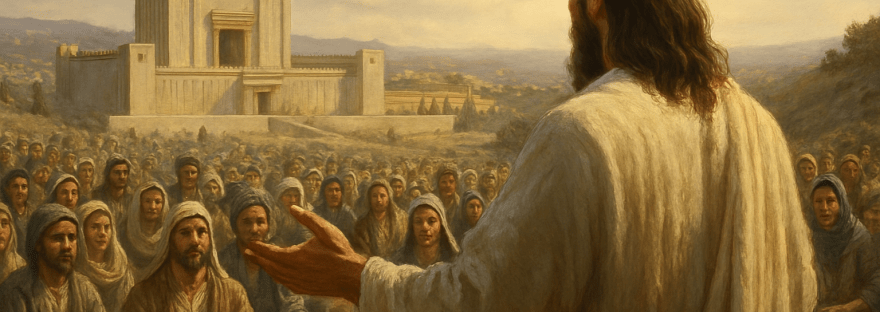
When Jesus preached the Sermon on the Mount (Matthew 5–7), He wasn’t giving inspirational sayings or poetic ideals. He was delivering the constitution of a new Kingdom—a Kingdom not of this world, where the citizens would reflect the heart, values, and priorities of their King.

To the early Church, especially the Ante-Nicene Christians, the Sermon on the Mount was not optional or symbolic. It was the blueprint for life—a radical call to holiness, humility, mercy, justice, and love. It governed how they lived, how they suffered, how they loved their enemies, and how they viewed themselves in this present world.


Not Just a Sermon, But a Standard

Jesus begins with the Beatitudes—blessings not on the powerful or influential, but on the meek, the merciful, the persecuted, and the pure in heart. In these verses, He is not describing ideal traits for a few spiritual elites—He is painting a picture of what every citizen of His Kingdom looks like.

“Blessed are the peacemakers, for they shall be called sons of God.”
Matthew 5:9


The Early Church Took It Literally

To them, Jesus’ words weren’t open to interpretation—they were a call to action. They blessed their persecutors, refused to retaliate, gave generously, avoided oaths, and turned the other cheek. They refused to participate in military service, capital punishment, or any action that would require harming others—because they believed that only the Kingdom of God deserved their ultimate allegiance.

They believed:

  • Christ was their only King
  • The Church was their true nation
  • The Sermon on the Mount was their law

Their citizenship was in heaven (Philippians 3:20), and they lived as ambassadors of a foreign Kingdom here on earth (2 Corinthians 5:20).


Aliens and Strangers in the World

Because of their unwavering obedience to Christ, the early Christians were often misunderstood. They did not engage in political power plays. They avoided civil posts that required judgment or violence. They obeyed the government—unless it contradicted the Word of God. Then, like the apostles before them, they practiced civil disobedience with peace and boldness.

“We must obey God rather than men.”
Acts 5:29

This made them outcasts. It cost them status, jobs, homes, and sometimes their lives. But they would not trade Kingdom citizenship for worldly security.


Why It Matters Today

The modern Church often preaches about the Kingdom, but few live as citizens of it. We are quick to defend rights, fight enemies, and pursue comfort—often at the expense of Christ’s commands. But Jesus said:

“Not everyone who says to Me, ‘Lord, Lord,’ will enter the Kingdom of Heaven, but the one who does the will of My Father…”
Matthew 7:21

Kingdom citizenship isn’t about belonging to a church. It’s about embodying the values of the King—here and now.


What We Must Recover

  1. A literal commitment to the Sermon on the Mount
  2. An identity rooted in the Kingdom of God, not the kingdoms of men
  3. An allegiance to Christ that shapes all relationships, actions, and responses
  4. A visible difference that causes the world to take notice

Sources:

  • The Holy Bible — Matthew 5–7; Philippians 3:20; 2 Corinthians 5:20; Acts 5:29
  • Letter to Diognetus, c. AD 130–200
  • Origen, Against Celsus (on refusal to join the military)
  • Justin Martyr, First Apology (on obedience to Christ over Caesar)
2–3 minutes

Leave a comment

Devotions, Teen Devotions

😎 Kingdom Teen Devotional — Day 5

“Blessed are those who hunger and thirst for righteousness, for they shall be satisfied.”

Matthew 5:6 NASB1995

🧃 What Are You Really Thirsty For?

Let’s be honest—most people your age are chasing something. Likes. Freedom. Identity. Comfort. Control. Jesus says there’s only one craving that satisfies: righteousness—a life that aligns with God’s truth.

This hunger isn’t about being “good” to look holy—it’s about wanting to live rightly because you love Him. When you hunger for what pleases God, you’ll find peace this world can’t offer—and a satisfaction no achievement or affirmation can match.

🔊 Real Talk:

  • What are you hungry for most right now—and is it filling or empty?
  • Where do you turn when you feel dry or empty inside?

✨ Try This:

Spend 24 hours asking this one question before every decision or post: Does this show I hunger for righteousness or something else? Write down what you notice.

✍️ Prayer:

God, give me a hunger that the world can’t satisfy—a hunger for You. Help me care more about living right than being liked. Fill the empty places in me with truth. Amen.


1–2 minutes

Leave a comment