

Subscribe to continue reading
Subscribe to get access to the rest of this post and other subscriber-only content.

Subscribe to get access to the rest of this post and other subscriber-only content.
Subscribe to get access to the rest of this post and other subscriber-only content.
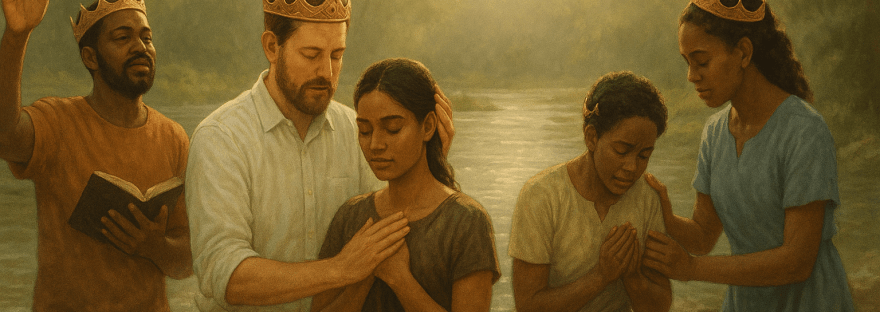
The Integrity of the Priest
God is not impressed by performance. He is not moved by appearance. He looks at the heart. For the priests of His Kingdom, integrity is not optional—it is foundational.
To live as a priest is to live set apart. Not just in public, but in private. Not just in doctrine, but in conduct. The power of our witness depends not on eloquence, but on the purity of our lives before God and others.
“Who shall ascend the hill of the Lord? And who shall stand in His holy place? He who has clean hands and a pure heart…”
— Psalm 24:3–4
The Early Church Was Marked by Integrity
The strength of the early Christians was not in influence or wealth. It was in the consistency of their lives. They were trustworthy, generous, self-controlled, and faithful—even when no one was watching.
“Let your conduct be such that even your enemies may see the truth in your life.”
— Ignatius of Antioch, Letter to the Smyrneans
They feared God more than man. They did not compromise with the world. They bore the Name of Christ with holy reverence.
Integrity Requires the Fear of the Lord
“The fear of the Lord is the beginning of wisdom…”
— Proverbs 9:10
Priests walk before God. They minister in His presence. The fear of the Lord keeps them humble, honest, and wholly devoted. It protects against hypocrisy and empowers repentance when sin creeps in.
God Desires Holy Vessels
“If anyone cleanses himself from what is dishonorable, he will be a vessel for honorable use… set apart as holy…”
— 2 Timothy 2:21
The Holy Spirit cannot be quenched by sin and compromise. Priestly authority flows not from position but from purity.
Integrity Is Seen in How We…
What We Can Learn
Sources:
Subscribe to get access to the rest of this post and other subscriber-only content.
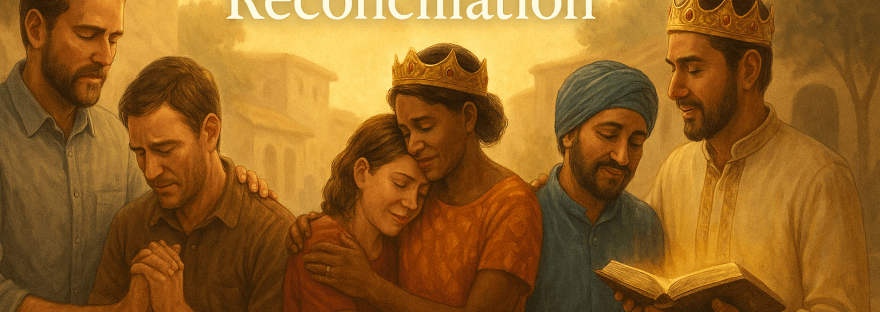
Representing Christ to the World
Every priest of God serves with this sacred task: to reconcile people to their Creator.
In Christ, you are not just a forgiven sinner—you are a minister of reconciliation, appointed by God to reflect His mercy, grace, and truth to a broken world.
“All this is from God, who through Christ reconciled us to Himself and gave us the ministry of reconciliation…”
— 2 Corinthians 5:18
This ministry is not limited to pastors or missionaries. It belongs to every citizen of the Kingdom and every member of the royal priesthood. You are an ambassador for Christ.
What Does Reconciliation Mean?
To reconcile means to restore a broken relationship. Humanity’s relationship with God was severed by sin. Through Jesus, that relationship is made whole. And now, through the Church—through you—God invites the world to return to Him.
“We implore you on behalf of Christ, be reconciled to God.”
— 2 Corinthians 5:20
The early Church understood their role not just as saved ones, but as sent ones—messengers of peace, truth, and redemption.
Priests Stand in the Gap
In the Old Testament, priests stood between God and the people. They offered sacrifices and interceded for mercy. In the Kingdom of God, that image remains—but the sacrifice is already made.
Now, we:
“Let your light shine before others, so they may see your good works and give glory to your Father…”
— Matthew 5:16
The Early Church Embodied This Ministry
They didn’t wait for the world to come to them—they went to the world. They:
“By their love and peaceable ways, they draw even their enemies into friendship with Christ.”
— Tertullian, Apology 39
What We Can Learn
Sources:

Subscribe to get access to the rest of this post and other subscriber-only content.

Subscribe to get access to the rest of this post and other subscriber-only content.

Subscribe to get access to the rest of this post and other subscriber-only content.
Subscribe to get access to the rest of this post and other subscriber-only content.

Living as a Daily Offering Before God
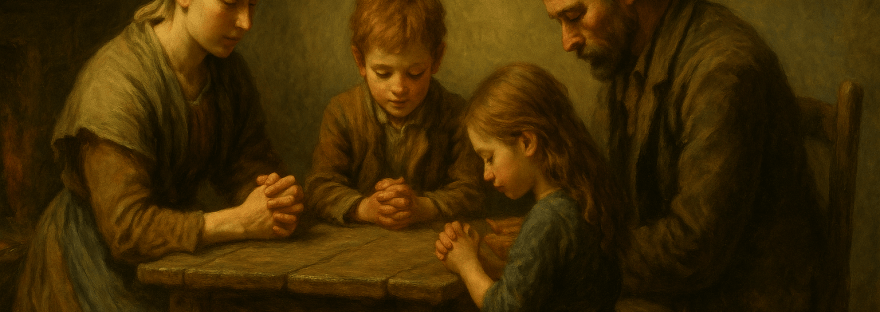
Worship is not music. Worship is not a Sunday event. Worship is not something we attend. Worship is a life surrendered—offered daily before the Lord.
In the Kingdom of God, priests don’t clock in once a week. They live in continual service. Everything they do, everything they give, everything they suffer, and everything they rejoice in can become worship when done unto the Lord.
“Present your bodies as a living sacrifice, holy and acceptable to God, which is your spiritual worship.”
— Romans 12:1
Worship Begins with the Heart
God doesn’t want hollow songs or empty rituals. He wants your heart.
“These people honor Me with their lips, but their hearts are far from Me.”
— Matthew 15:8
The early Church understood worship as more than external expression—it was an internal posture of humility, reverence, and joyful obedience. Their lives matched their words.
“Let your life be a hymn to God—pure in word, deed, and heart.”
— Clement of Alexandria, The Instructor
All of Life Is Sacred When Offered to God
Whether working, serving, parenting, or suffering, the believer is never off-duty. Every action can be consecrated when done with a heart that says, “This is for You, Lord.”
“In everything you do, do it heartily, as for the Lord…”
— Colossians 3:23
The Early Church Worshiped in Spirit and in Truth
Their worship was marked by:
And above all, they offered their lives, not just their voices.
“Their sacrifices were not bulls or goats, but thanksgiving, praise, and faithfulness.”
— Justin Martyr, First Apology
What We Can Learn
Sources:

Leave a comment