From the Series: The Biblical Jesus and His Bride
Scripture quotations are from the New King James Version®.
Copyright © 1982 by Thomas Nelson. Used by permission. All rights reserved.
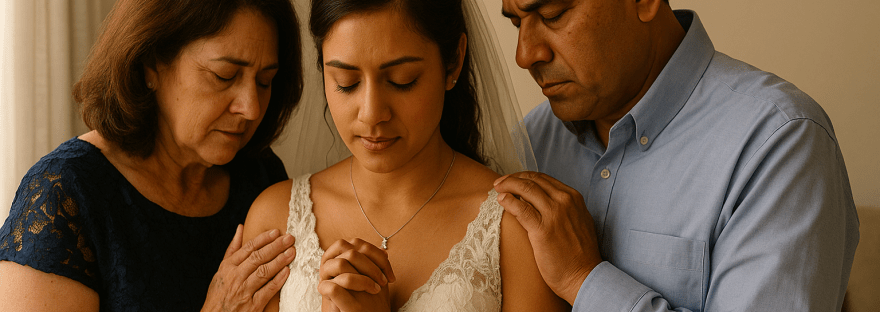
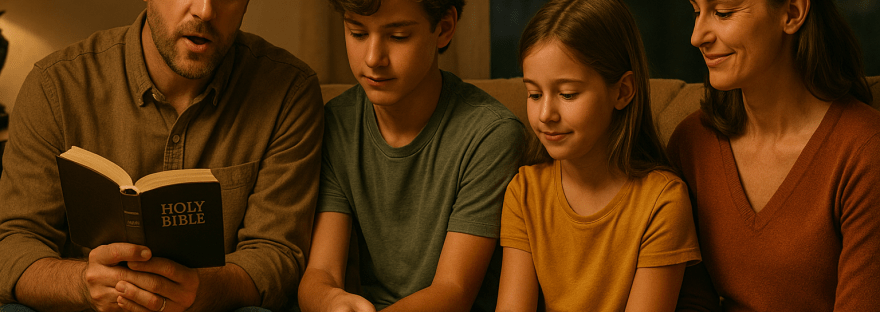
The Church does not live in uncertainty. She lives with the promise already given. If Christ is the Bridegroom and deliverance has happened, the wedding is sure to come. Knowing there is an eternal home changes how we live now. This time is for preparation, not just waiting. Preparation is active and takes many forms. Church members prepare by nurturing a life of prayer, serving others in love, growing in understanding through study of Scripture, and encouraging one another in faith. These practices help transform hope into action and keep the Church focused on Christ.
Scripture describes the Church as the Bride, living between betrothal and the final union. How the Church acts during this time matters. Jesus told His disciples, “Watch therefore, for you do not know what hour your Lord is coming” (Matthew 24:42). This kind of watchfulness is about being attentive, not anxious. It means being ready with hope, not fear.
Today, some believers are tempted to ignore Christ’s return, while others focus too much on signs and predictions. True biblical watchfulness is steady. It is like a Bride who trusts the promise and does not try to control the timing. She stays awake, faithful, and ready. Steady watchfulness looks like a life shaped by hope and trust. It is seen in regular prayer, seeking God’s presence, serving others, and staying engaged in the work Christ has given. Balanced watchfulness means living with expectation, but also a quiet confidence, avoiding both neglect and obsession. The Bride continues in everyday faithfulness—praying, caring, working, and waiting—knowing the Bridegroom will arrive in His time.
Peter links future hope with how we live now. He asks, “What manner of persons ought you to be in holy conduct and godliness?” (2 Peter 3:11). The promise of renewal motivates the Bride. She seeks purity, not out of fear, but because she is confident about the upcoming wedding. In this pursuit of holiness, the Church can sometimes feel pressure to compromise its distinctiveness in order to be relevant to the world. However, true holiness is not measured by cultural acceptance or being aggressive in opposition. Instead, it is defined by covenant loyalty to Christ. The Bride remains loyal to Christ without hardening her heart toward the world. She reflects His character instead of conforming to cultural norms.
Jesus said, “By this all will know that you are My disciples, if you have love for one another” (John 13:35). As Christ’s return gets closer, Scripture warns, “the love of many will grow cold” (Matthew 24:12). The Bride fights against this by remembering that she is part of one Body and one Bride under one Lord. Truth keeps unity and love strong. Love, guided by truth, holds unity together.
Paul encourages steadfastness by reminding us of our hope. “Therefore, my beloved brethren, be steadfast, immovable, always abounding in the work of the Lord” (1 Corinthians 15:58). The Bride’s work matters because her hope lasts forever and her loyalty is to Christ alone. She does not get distracted by changes in culture or politics. Her foundation is Christ.
Being steadfast does not mean being indifferent. It means staying close to Christ. Jesus warned about deception, false messiahs, and misleading prophets. Scripture says, “Beloved, do not believe every spirit, but test the spirits” (1 John 4:1). Good discernment starts with Scripture. Knowing who Christ is remains essential. When people know less about the Bible, confusion increases. The Bride stays rooted in truth and listens for her Bridegroom’s voice. Practical discernment can begin with simple steps: when confronted with a new teaching or claim, first compare it to what Scripture clearly says about Christ. Ask if it agrees with Jesus’s life, teaching, and character as revealed in the Bible. Pray for wisdom and seek counsel from faithful believers and church leaders. In this way, ‘testing the spirits’ becomes an active daily practice that keeps the Church grounded in truth.
For the Church, hope is not just wishful thinking. It is an expectation that shapes us. “Everyone who has this hope in Him purifies himself, just as He is pure” (1 John 3:3). The Bride does not give in to despair or lose hope during hard times. Even when believers face discouragement, doubt, or suffering, they are not abandoned. Scripture acknowledges the reality of trials and their weight, but assures us that Christ is present and faithful in every circumstance. Members are encouraged to persevere, trusting that God’s promise remains sure even in the midst of difficulty. Her confidence is grounded in God’s unchanging promise, not in past events. She is called to go and make disciples of all nations (Matthew 28:19), not to retreat and wait. The Bride’s waiting is active; she shares the message, teaches, gathers, serves, and endures. Scripture never puts mission against holiness or hope against action. The Church is called to stay faithful until her Bridegroom comes. The Bible ends with these words: “Surely I am coming quickly.” The Church answers, “Amen. Even so, come, Lord Jesus!” (Revelation 22:20). This is not about escaping, but about longing for Christ. The Bride lives between being faithful now and hoping for the future. She does not fear Christ’s return or try to rush it, but truly longs for it.
Until that day comes, the Bride stays watchful, holy, loving, faithful, discerning, and hopeful. She is secure in belonging to Christ. Redemption is finished, the covenant lasts, and the promise is sure. The Church lives with confidence in this covenant, not with panic or pride, until Christ returns.