
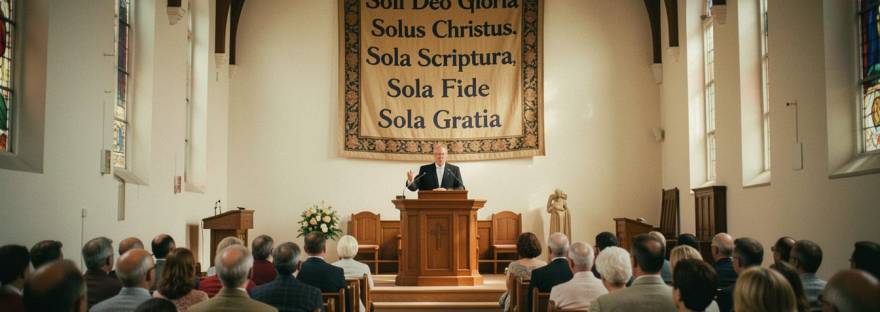
From the Series: Who Defines Truth: God or Man?
Scripture quotations are from the New King James Version®.
Copyright © 1982 by Thomas Nelson. Used by permission. All rights reserved.
Under every doctrine and belief lies a fundamental question: Who defines truth, God or humanity? This is not a theoretical debate for philosophers or theologians alone; rather, it is one each person answers, consciously or unconsciously, whenever engaging with the Bible. Opening Scripture is more than reading words; it is an encounter with God’s revelation. Our response to this encounter shows where we see true authority. Take time to ponder: When you read Scripture, who do you trust to define what is true—God or your own view? Consider how your answer shapes your daily choices, thoughts, and attitudes. Honestly assess where you stand, not just in theory, but in daily life. As we reflect individually, let us also open this question to group discussion. Please share your thoughts or any personal experiences that have shaped your view of truth and authority. By inviting honest and respectful conversation, we can encourage one another to examine where we turn for guidance and how we allow God’s Word to speak into our lives.
Scripture never suggests we invent truth through reason or experience. Jesus’s words are clear: “Your word is truth” (John 17:17). Rather than truth being ours to manufacture, God reveals it. Consequently, the Bible is not a text we shape to fit our preferences. Instead, it is a standard that forms us. We do not stand above God’s Word as judges; we come before it to be corrected, challenged, and transformed.
The Bible clearly distinguishes sacred from human authority. As Romans 3:4 states, “Let God be true, but every man a liar.” There is no compromise. When God’s Word and human opinion clash, God is always correct—not because it aligns with human reasoning, but because He is the source of truth. God does not change or deceive, as shown in Numbers 23:19: “God is not a man, that He should lie.” His Word remains constant, for “The word of the Lord endures forever” (1 Peter 1:25).
From the start, humanity has sought to claim authority. In Eden, the serpent began not with denial but with a question: “Has God indeed said…?” (Genesis 3:1). This doubt invited reinterpretation. Once God’s Word was questioned, its meaning became negotiable. Human reasoning took center stage. Today, this persists in comments like “This is what the Bible means to me” or “I think this passage says…”. When truth becomes subjective, authority shifts from God to humanity.
We see this in daily situations: someone justifies a dishonest business practice by saying, “I know the Bible says you shouldn’t lie, but everyone does it to get ahead. God understands.” Or a person dismisses difficult teachings about forgiveness with, “That command was for people back then; my situation is different.” Social topics are often reframed with the claim that “Times have changed, so the Bible needs to be interpreted differently now,” making Scripture submit to modern preferences rather than the other way around. These subtle shifts happen when personal perspective becomes the filter for truth, rather than approaching Scripture with humility and a willingness to be shaped by what God has spoken.
The Bible warns against this mistake: “No prophecy of Scripture is of any private interpretation” (2 Peter 1:20). God’s Word did not start with humanity; individuals do not have ultimate authority over its meaning. Instead, the Holy Spirit inspired Scripture. Therefore, readers are called to engage it with humility, not autonomy. While diligent study is essential, our guiding question should not be, “What do I want this to mean?” Rather, it should be, “What has God said, and how will I respond?”
At this point, the authority of Scripture becomes personal. Affirming the truth of God’s Word is different from accepting it when it challenges personal assumptions. The Bible “discerns the thoughts and intents of the heart” (Hebrews 4:12). It shows what people believe and reveals deeper motivations. It highlights where there is true submission to truth and where truth has been bent to fit personal preferences. The central question is not abstract. It is a practical daily reality: Who defines truth—God or humanity?
The answer is not found in words alone, but in response to what God says. Jesus asked, “Why do you call Me ‘Lord, Lord,’ and not do the things which I say?” (Luke 6:46). Authority is not shown just through words. It is proven by obedience. If God defines truth, His Word must shape thought, correct misunderstanding, and direct life. Scripture is not to fit our desires. Instead, we are to be transformed by it so that we reflect Christ.
To put theory into practice, make space each day for prayerful reading of Scripture. Invite God to reveal His truth. Reflect on passages and ask how they apply to your life right now. Find fellowship with others who value God’s Word. Pursue accountability by sharing your commitments and challenges. To strengthen this, consider forming prayer partnerships or small groups where members pray for one another and share specific ways they are seeking to apply God’s Word. Set aside time each week for the group to reflect together on how Scripture is shaping their thinking and choices, offering encouragement and support. Through intentional community and shared commitment, let Scripture guide your choices, even when it means change or surrender. In this way, God’s Word shapes daily life.
This question underpins all further discussion. Before debating doctrine, tradition, or interpretation, however, this issue must be settled. If God alone defines truth, then all other sources—teachers, traditions, and personal reasoning—must yield to Him. As Proverbs 3:5 says, “Trust in the Lord with all your heart, and do not lean on your own understanding.” This does not mean rejecting critical thinking; rather, it calls us to anchor our thoughts in the One who defines truth perfectly.
As this series begins, return to the guiding question: Who has the authority to define truth—God or humanity? Your response will shape how you study Scripture and your willingness to submit to it. If you let God answer this question, all other priorities will fall into place.
To close, stop and prayerfully consider your response. Will you surrender your assumptions and preferences to God’s authority? Will you let His Word define truth in your life? If you are willing, pray: “Lord, I confess my tendency to rely on myself. Help me trust You fully. Teach me to submit to Your Word. Change my heart where it resists, and teach me to seek Your truth above my own. Amen.”
As you go through the coming days, keep returning to this prayer and question. Take moments throughout the week to pause, reflect, and honestly assess where God is inviting you to trust Him more deeply. Ongoing reflection not only deepens spiritual growth but also helps you keep the lesson active in your heart and daily life.
Discover more from Rooted & Raised
Subscribe to get the latest posts sent to your email.

