
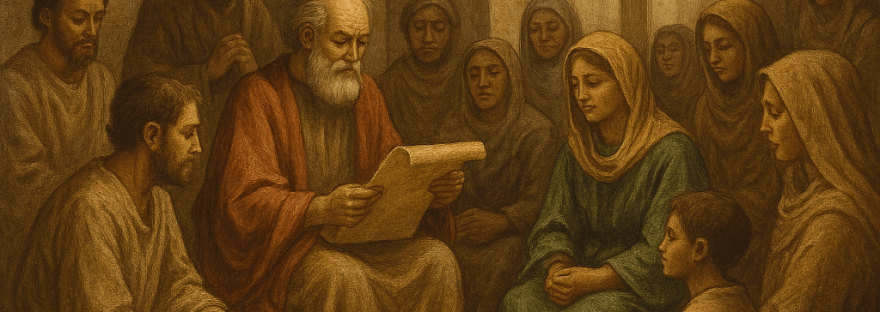
From the Series: The Biblical Jesus and His Bride
Scripture quotations are from the New King James Version®.
Copyright © 1982 by Thomas Nelson. Used by permission. All rights reserved.
Christ supports His Church today by His Spirit, through His Word, and as its leader. But the Bible describes the Church as more than just a Body; it also calls her a Bride. This image is not only about feelings, but about a covenant. It speaks of commitment, exclusivity, devotion, and deep hope. If Christ is the Bridegroom, the Church is not just organized under Him—she is deeply connected to Him.
Paul’s words in 2 Corinthians 11:2 are important: “I feel a divine jealousy for you, since I betrothed you to one husband, to present you as a pure virgin to Christ.” In the Bible, betrothal was never casual. It was a binding covenant, exclusive, and looking forward to a future wedding. The Church does not have to wait to belong to Christ; she already belongs to Him by His sacrifice and promise, even though the complete union is still to come.
This reality defines the present age. The Church does not exist unattached. This truth forms our current time. The Church is not alone, searching, or trying different paths; she is betrothed, and her loyalty is whole. This language only makes sense when we talk about covenant loyalty. The Bride does not chase after other loves; her devotion is focused on Christ alone. In teaching, this shows Christ’s exclusivity, and in caring for people, it encourages the Church to stay faithful. However, it is important to define this preparation accurately. It is not based on self-generated merit or anxious striving; sanctification originates with Christ. The Bride’s preparation is not independent, as she is being readied by her Bridegroom. There is no contradiction: Christ provides the cleansing, and the Bride responds in obedience. Grace does not negate obedience; it produces it. The focus is not on outward profession but on inward spiritual life. Throughout Scripture, oil consistently signifies the Spirit. The Bride’s readiness is demonstrated not by external conformity, but by genuine spiritual vitality. This clarification is intended not to unsettle the faithful, but to define true preparation as abiding in Christ, walking in the Spirit, and persevering in truth.
The Bible does not just hint at the wedding; it announces it clearly. The mood is joyful and confident, not worried. The Bridegroom is called “the Lamb.” Even in heaven, redemption is at the center. The marriage celebrates both the union and the cost paid for it. This union is given, not earned. The Bride’s readiness is a gift before it is something she wears. The good deeds of believers come from grace, not pride. This protects the truth of justification and gives believers assurance.
From Eden, through the tabernacle and temple, to Jesus coming to earth, God has always aimed for one thing: to live with His people. The Bride does not just survive forever; she reigns with her King. This is not simply a symbol, but the real fulfillment of God’s promise. The Bible does not end with arguments, but with a conversation between Christ and His Church. This shows love, not fear. In the end, the Church waits with hope, looking forward with trust in God’s promise, not with panic or a desire to escape.
This truth makes something important clear: the Church’s identity is not limited by her current form or struggles. She is bound by covenant, being made holy, and waiting for a real and wonderful union. Everything about this time—holiness, perseverance, wisdom, and witness—comes from this basic truth.
So, what does this mean for our daily lives? We can live out holiness by setting aside time for prayer and reflecting Christ’s love in how we treat others. Perseverance looks like trusting God’s promises still when we face trials or discouragement, without giving up on our faith or on each other. Wisdom is practiced by seeking God’s guidance in decisions, listening to Scripture, and supporting one another with counsel anchored in truth. Our witness shines when we share kindness, invite others into our community, or serve those in need. Together, these practices help us to walk faithfully as Christ’s Bride, making this covenant real in our everyday actions.
Discover more from Rooted & Raised
Subscribe to get the latest posts sent to your email.

