
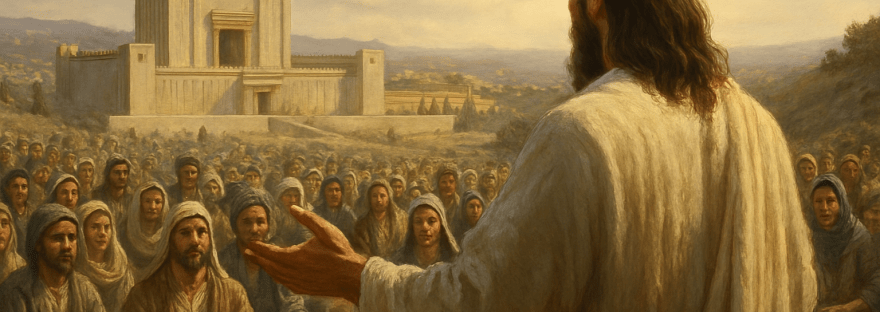
When Jesus preached the Sermon on the Mount (Matthew 5–7), He wasn’t giving inspirational sayings or poetic ideals. He was delivering the constitution of a new Kingdom—a Kingdom not of this world, where the citizens would reflect the heart, values, and priorities of their King.
To the early Church, especially the Ante-Nicene Christians, the Sermon on the Mount was not optional or symbolic. It was the blueprint for life—a radical call to holiness, humility, mercy, justice, and love. It governed how they lived, how they suffered, how they loved their enemies, and how they viewed themselves in this present world.
Not Just a Sermon, But a Standard
Jesus begins with the Beatitudes—blessings not on the powerful or influential, but on the meek, the merciful, the persecuted, and the pure in heart. In these verses, He is not describing ideal traits for a few spiritual elites—He is painting a picture of what every citizen of His Kingdom looks like.
“Blessed are the peacemakers, for they shall be called sons of God.”
— Matthew 5:9
The Early Church Took It Literally
To them, Jesus’ words weren’t open to interpretation—they were a call to action. They blessed their persecutors, refused to retaliate, gave generously, avoided oaths, and turned the other cheek. They refused to participate in military service, capital punishment, or any action that would require harming others—because they believed that only the Kingdom of God deserved their ultimate allegiance.
They believed:
- Christ was their only King
- The Church was their true nation
- The Sermon on the Mount was their law
Their citizenship was in heaven (Philippians 3:20), and they lived as ambassadors of a foreign Kingdom here on earth (2 Corinthians 5:20).
Aliens and Strangers in the World
Because of their unwavering obedience to Christ, the early Christians were often misunderstood. They did not engage in political power plays. They avoided civil posts that required judgment or violence. They obeyed the government—unless it contradicted the Word of God. Then, like the apostles before them, they practiced civil disobedience with peace and boldness.
“We must obey God rather than men.”
— Acts 5:29
This made them outcasts. It cost them status, jobs, homes, and sometimes their lives. But they would not trade Kingdom citizenship for worldly security.
Why It Matters Today
The modern Church often preaches about the Kingdom, but few live as citizens of it. We are quick to defend rights, fight enemies, and pursue comfort—often at the expense of Christ’s commands. But Jesus said:
“Not everyone who says to Me, ‘Lord, Lord,’ will enter the Kingdom of Heaven, but the one who does the will of My Father…”
— Matthew 7:21
Kingdom citizenship isn’t about belonging to a church. It’s about embodying the values of the King—here and now.
What We Must Recover
- A literal commitment to the Sermon on the Mount
- An identity rooted in the Kingdom of God, not the kingdoms of men
- An allegiance to Christ that shapes all relationships, actions, and responses
- A visible difference that causes the world to take notice
Sources:
- The Holy Bible — Matthew 5–7; Philippians 3:20; 2 Corinthians 5:20; Acts 5:29
- Letter to Diognetus, c. AD 130–200
- Origen, Against Celsus (on refusal to join the military)
- Justin Martyr, First Apology (on obedience to Christ over Caesar)
Discover more from Rooted & Raised
Subscribe to get the latest posts sent to your email.


Leave a comment